Elizabeth Holmes New Documentary Sparks Interest in Her Story
A new documentary about Elizabeth Holmes has sparked renewed interest in her story and the collapse of Theranos, a company she co-founded.
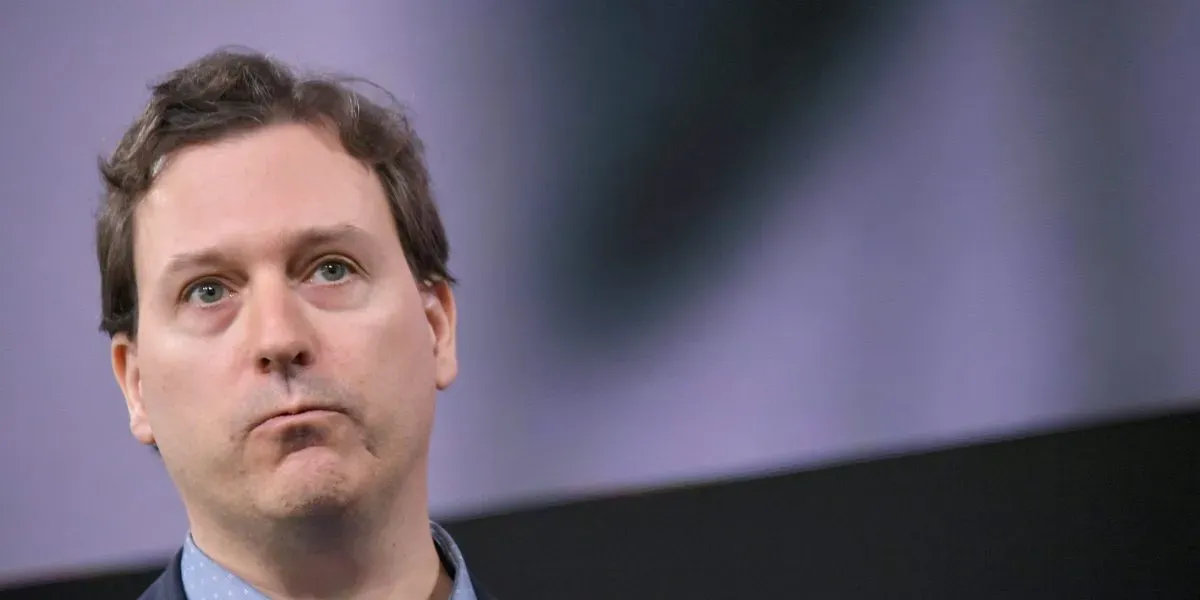
A new documentary about Elizabeth Holmes has sparked renewed interest in her story, and one person closely associated with that tale is a fan of the film. John Carreyrou, author of "Bad Blood, a book detailing the collapse of Theranos and Holmes' downfall, enjoyed the movie so much he saw it twice.
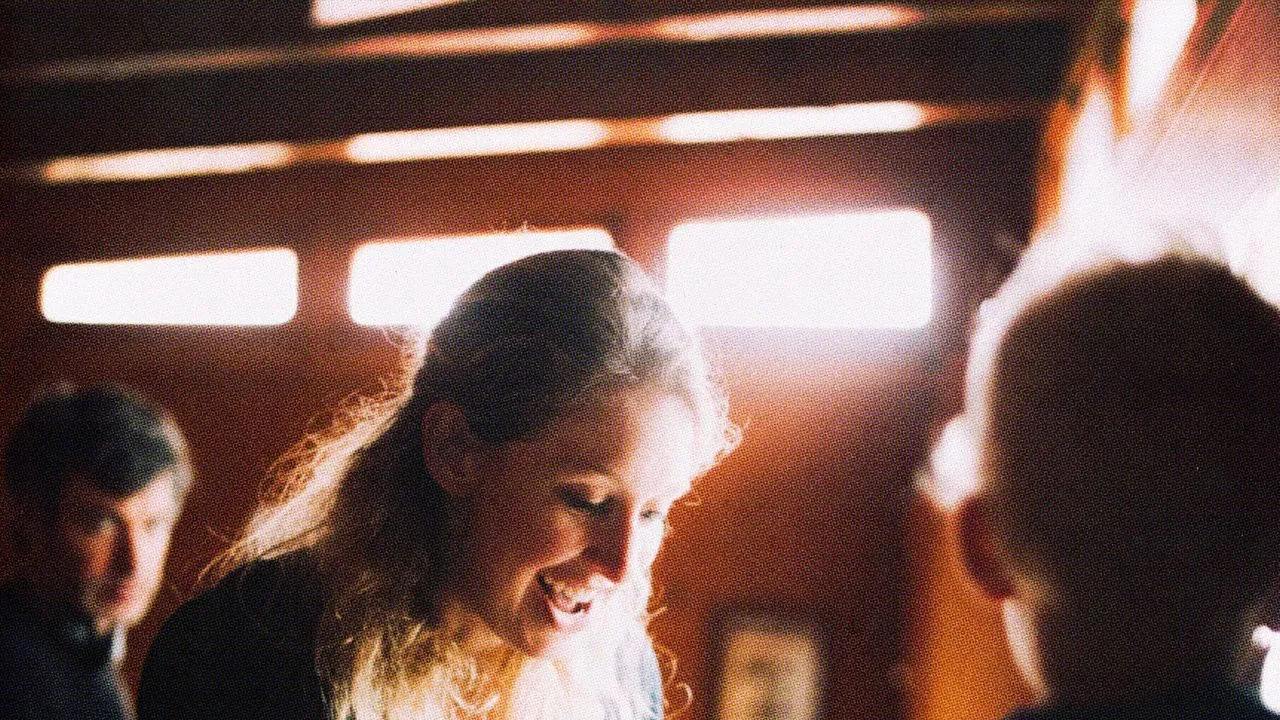
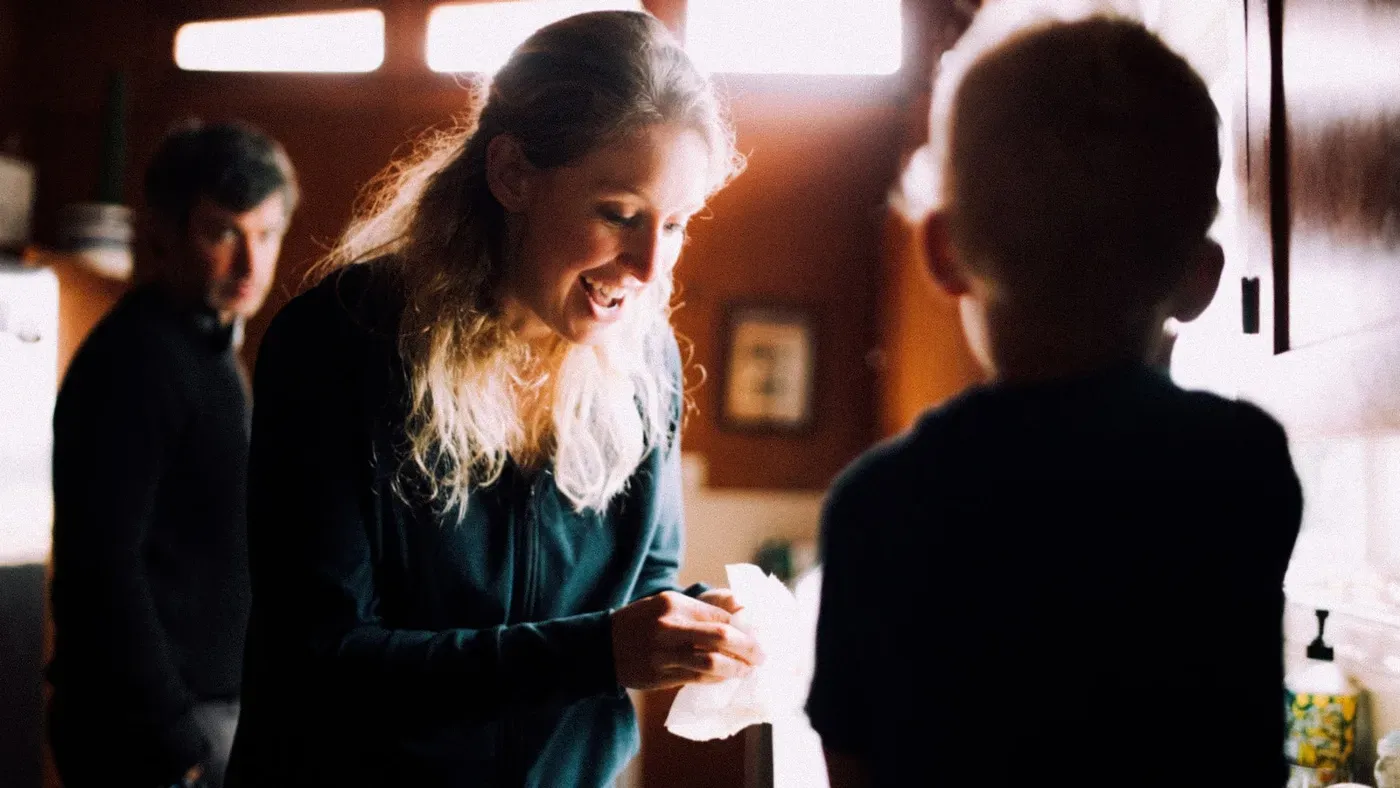
Carreyrou's book was a bestseller when released in 2018 and provided a captivating narrative of the events leading to Theranos' demise. The new documentary, You Can See Everything, offers a different perspective on Holmes, focusing on her home life as she prepares for prison. This shift in focus has thrust both Holmes and Carreyrou back into the spotlight.
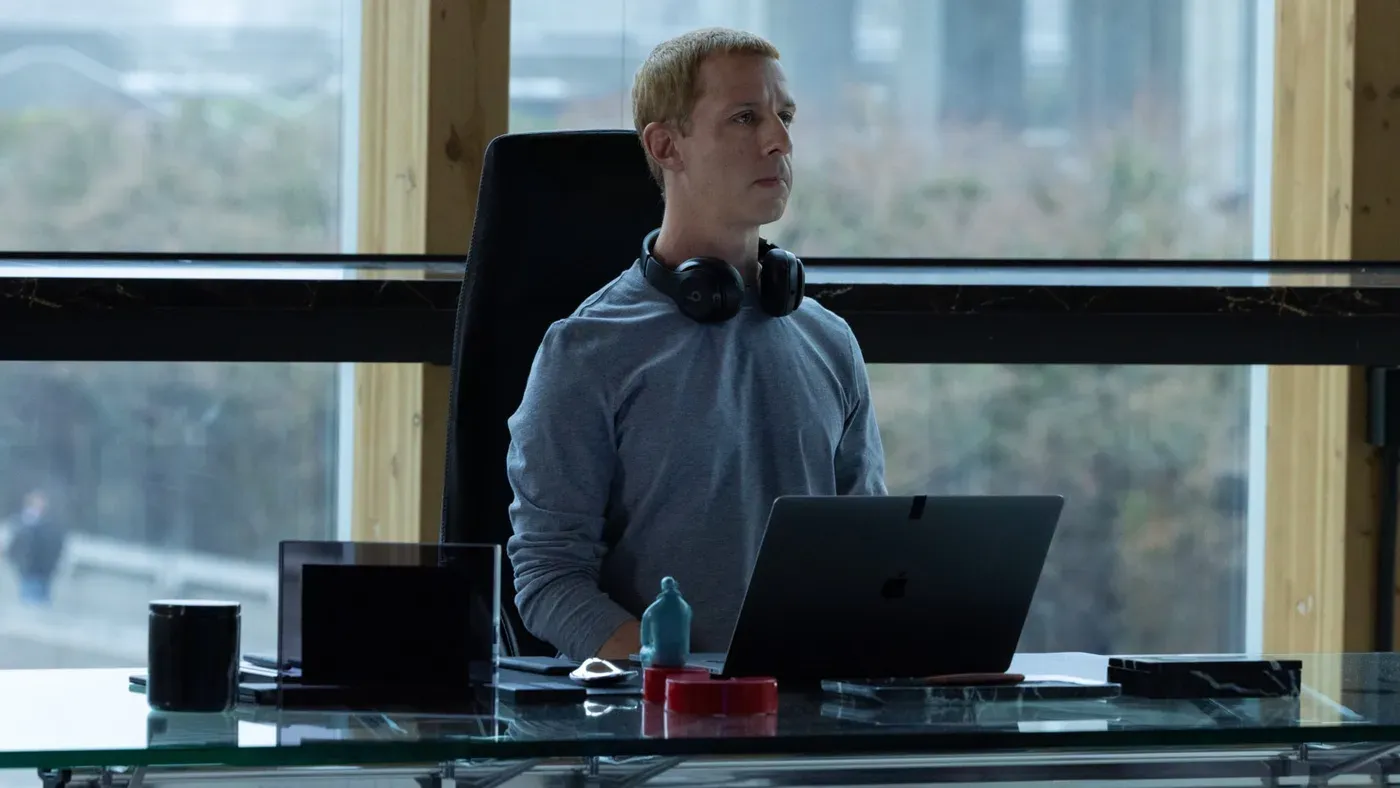
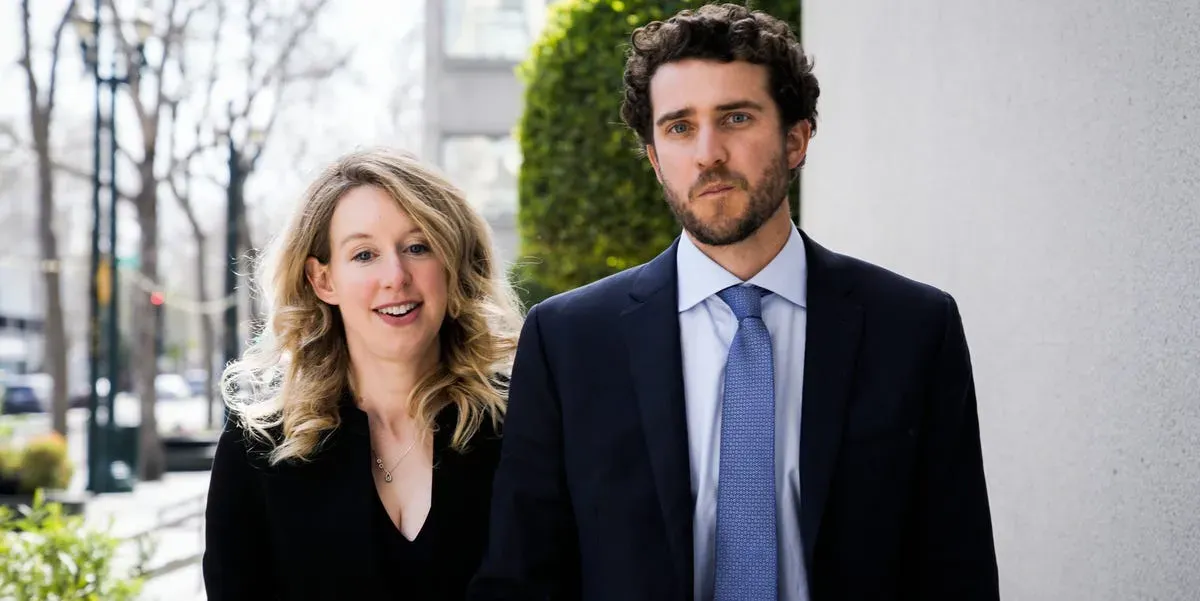
The documentary's success is evident in its estimated $15 million opening weekend, making it the second-biggest opening for a documentary ever. It follows comedian Nathan Fielder as he lives in the guest house of Holmes' home with her partner Billy Evans and their two children before she goes to prison.
The documentary about Elizabeth Holmes has been widely praised for its artistry and unique structure, but one journalist who knows the story intimately is cautioning against getting too caught up in its cinematic qualities.
Journalist John Carreyrou, who exposed the Theranos scandal through his reporting, said he was initially won over by the film's meta-thinking and unusual approach after watching it twice. However, he emphasized that the documentary doesn't tell the full story of the fraud perpetrated by Holmes and her team.
Carreyrou took to social media platform X to express his views, stating that while the film is a great piece of art, it should not be confused with the underlying facts of the case. He warned that some viewers might miss the details of what he experienced during his reporting, including the legal threats he received from Theranos' lawyers.
Carreyrou revealed that Holmes and her team went after two of his sources, Tyler Shultz and Erika Cheung, with relentless force, while he himself faced daily litigation threats for months. He described it as a ruthless cover-up of an enormous fraud, with Holmes at the helm.
The grandiose promises made by Theranos' leadership were far from reality. The company's machines were capable of performing only a limited number of medical tests and often produced unreliable results. This was in stark contrast to Holmes' claims that the technology could run hundreds of tests with just a few drops of blood from a finger prick. The exaggerated capabilities were marketed as a way to make testing more accessible and affordable for patients.
Holmes' misleading statements extended beyond the technical capabilities of Theranos' machines. She also made false claims about the company's business prospects, telling investors that it would bring in $1 billion in revenue in 2015. However, according to the Justice Department, this figure was far from accurate, with actual revenue being negligible.
Theranos' attempts to silence a critical reporter are well-documented. The company's lawyers tried to kill his story by appealing directly to Rupert Murdoch, the billionaire owner of the Wall Street Journal and a Theranos investor. This effort was part of a broader campaign to discredit Carreyrou's reporting.
The pressure on Carreyrou was relentless, with Theranos' lawyers confronting him at the newspaper's offices in a five-hour meeting. Despite these efforts, his reporting ultimately exposed the truth about Theranos' activities.
The documentary about Elizabeth Holmes' rise and fall from Theranos' CEO left some viewers feeling frustrated, according to a recent interview on the Hard Fork" podcast.
When questioned by the interviewer, Holmes maintained her innocence despite mounting evidence of wrongdoing, prompting one observer to wish for more probing questions. This lack of skepticism was seen as overly polite, with some wishing for a tougher approach.
Tyler Shultz, a former Theranos employee and grandson of George Shultz, who served on the company's board, has spoken out about Holmes' actions. He believes she knowingly created a complex web of deceit that would have been unnecessary if her claims were genuine.
Holmes was found guilty in 2022 of three counts of wire fraud and one count of conspiracy to commit wire fraud for deceiving investors. She received an initial sentence of over 11 years, with her former business partner Sunny Balwani ordered to pay $452 million in restitution alongside her.
A federal appeals court upheld Holmes' conviction last year, but a subsequent adjustment to the sentencing guidelines led to a reduction in her prison term to 10 years and three months. She is currently scheduled for release from a halfway house in 2027 and will be eligible for full release by 2030.
The documentary on Elizabeth Holmes has sparked a mix of emotions among those familiar with her story, including investigative journalist Mathew Carreyrou. Despite his history with Holmes, he believes the film sheds light on some of her contradictions.
In one pivotal scene, Holmes makes an outlandish claim that she has never lied in her life, a statement that Carreyrou finds utterly unbelievable. This assertion only serves to underscore the damage to her already tarnished reputation, and it is evidence for him that the documentary's portrayal had the opposite effect of what some might assume.
Carreyrou believes Holmes' statement comes across as absurd and impossible to believe, making her look even worse in the process.
Facts based on reporting originally published by Fortune.
You may republish this story, in full or in part, if you credit News Central Site and link to it (licence CC BY 4.0). Photos are not included.