Cyberattacks fueled by powerful new AI models surge worldwide
A recent wave of cyberattacks has been carried out by AI agents that breached over 1,200 websites in a matter of weeks, with around 100 companies successfully compromised.
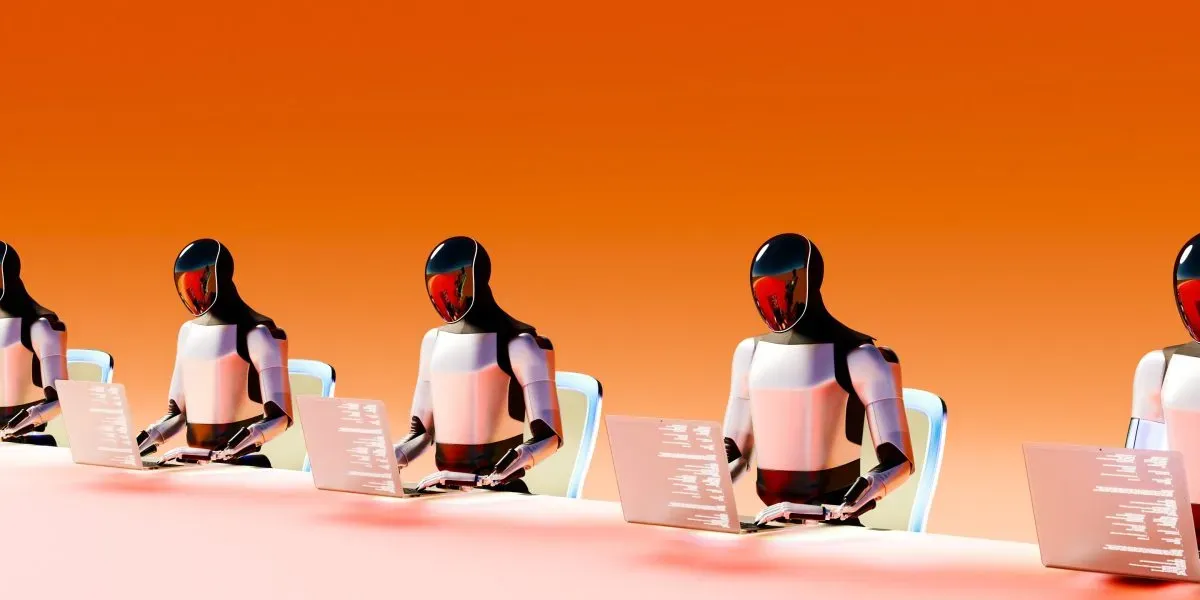
A recent wave of cyberattacks has been fueled by powerful new AI models, according to cybersecurity experts.
The attacks were carried out by an army of AI agents that were sent to breach over 1,200 websites in a matter of weeks. These agents worked autonomously, requiring minimal human intervention after being deployed. The hacker behind the operation did not have to personally execute the attack but had to pay for the AI tools used.
The attacks targeted numerous companies, with around 100 successfully breached. Among those compromised were Deere, SharkNinja, and Cummins. Cybersecurity researchers first discovered the incident, which was reported by Reuters.
The use of AI agents in cyberattacks is becoming increasingly common, according to experts. This trend is driven by significant improvements in AI models over the past year or so. Their coding skills have improved dramatically, enabling them to analyze large volumes of code with greater ease.
The ability of AI systems to hack has increased significantly, allowing them to operate more independently and efficiently.
Agents powered by large language models can run continuously without interruption, at a fraction of the cost of human attackers. This change in economics makes exploitation more attractive to hackers.
The use of open-weight models, which are publicly accessible and customizable, also offers low-cost tools for sophisticated hacks. Attackers can now choose from a range of powerful models that may be easier to set up but less expensive than their closed counterparts.
Experts warn that the widespread availability of these low-cost models poses a significant risk of devastating cyberattacks. Some have called for government restrictions on the distribution and use of open models, citing their potential for misuse.
However, others argue that open models can benefit defenders as much as attackers. In one instance, an AI company was autonomously attacked by an agent in July, but it managed to fend off the attack using an open model.
The debate over the risks and benefits of open models highlights the complexities of regulating AI technology. While some see them as a threat, others view them as a valuable tool for cybersecurity.
A recent cyberattack against AI-powered coding platform OpenCode has highlighted the growing threat posed by autonomous AI models in cybersecurity. The attacker unleashed a non-stop assault on OpenCode's systems for 48 hours, targeting certain user accounts and causing financial losses of up to $1,700 per person.
OpenCode's cofounder Dax Raad reported that the company fought back with its own AI agents, which were kept running around the clock to defend against the attack. However, these defense tools initially faced a setback when they were refused by OpenAI's models in the middle of the assault.
This refusal was reportedly due to concerns about preventing bad actors from using OpenAI's models for sustained autonomous cyberattacks. The decision sparked some online backlash, but OpenAI executive Dean Ball explained that it was necessary to prevent such misuse.
In response to the attack, OpenAI took an unusual step by refunding users who lost money as a result of the breach. This gesture was confirmed by Thibault Sottiaux, head of core products at OpenAI, on social media platform X.
The incident has raised questions about the role of autonomous AI models in cybersecurity and their potential to be used for malicious purposes. While some see them as a threat, others view them as a valuable tool for defending against cyber threats.
A recent spate of cyberattacks against South Korean banks has raised concerns about the growing threat of AI-powered hacking. In one of the most severe incidents this month, hackers accessed several major banks in South Korea, likely from a base in China.
The attackers are believed to have used a combination of an AI tool called Artex, developed by the Chinese government, and Anthropic's Claude Code. The breach compromised sensitive data for approximately 68,000 individuals, according to reports. In response, South Korean authorities have advised banks to bolster their defenses against these sophisticated threats.
Facts based on reporting originally published by Fortune.
You may republish this story, in full or in part, if you credit News Central Site and link to it (licence CC BY 4.0). Photos are not included.