Fuel prices overshadowed by rising utility bills in midterm elections
Utility bills have become a major source of frustration for energy consumers across the country as electricity and natural gas rates continue to rise.
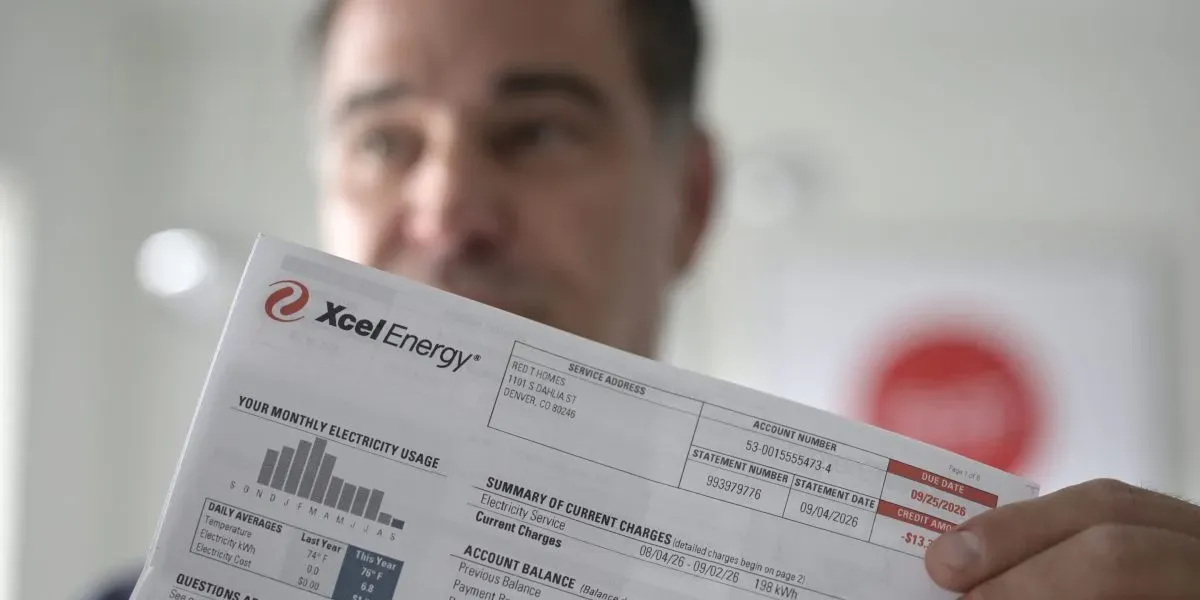
Record-breaking fuel prices have taken center stage in the lead-up to November's midterm elections, but another critical issue is quietly gaining momentum: skyrocketing utility bills. The Iran war and global refinery outages are driving up fuel costs, dominating headlines and sparking heated debates among politicians and voters alike.
However, utility bills, particularly electricity and natural gas rates, have been a growing concern for many Americans even before the recent surge in fuel prices. In fact, these bills were already leading the nation in inflation, prompting widespread backlash against data centers, which are often blamed for rising costs despite being only partly responsible in some regions.
The issue has reached a boiling point, with many key positions hanging in the balance, from public utility commissioners to U.S. senators and governors. According to Charles Hua, executive director of PowerLines, a nonprofit seeking to modernize the utility regulatory system, this election cycle is unlike any other.
Energy issues have long been a concern for voters, but typically focus on fuel costs at the pump. This time around, however, electricity bills have become a major source of frustration for energy consumers across the country, a trend that Hua attributes to the growing influence of data centers and their impact on utility rates.
The fact that utility bills are now a key issue in this election cycle is a significant shift from previous years, with many politicians struggling to address the concerns of voters who are fed up with high costs and inadequate service.
Electricity prices in the US have seen a significant surge over the past five years, rising by approximately 40% on average. This upward trend shows no signs of slowing down, as utilities have already requested an additional $23.1 billion in rate increases through the first three quarters of 2026.
If this request is approved, it would bring the total to nearly match the record-breaking high of almost $31 billion set last year. Notably, this figure is more than double the previous high, indicating a substantial increase in utility costs for consumers.
The increased spending by investor-owned utilities is likely one factor contributing to these rate hikes. According to PowerLines, their capital expenditure plans have risen by over 27% to at least $1.4 trillion through 2030, up from $1.1 trillion just a year ago.
Much of this future spending will be dedicated to upgrading the grid and building new power generation capacity, including facilities to support the growing demand for AI data centers. This sector is driving significant investment in infrastructure, which may have far-reaching implications for utility costs.
Data center developers often have options when it comes to managing their energy expenses, such as building on-site power generation or negotiating with utilities to reduce costs for ratepayers. However, regional and state-level policies can also play a crucial role in determining how these costs are distributed among consumers.
The growing presence of data centers in various regions has sparked a heated debate about their impact on electricity rates.
These massive computing facilities require significant amounts of power to operate, which can strain local energy grids and drive up costs for consumers.
Whether data centers are actually contributing to rising utility bills is a complex issue, according to industry experts who acknowledge that the relationship between these centers and electricity prices is nuanced.
Regardless of the actual effect, many states now perceive data centers as a potential driver of increasing utility costs, which could have significant implications for households and businesses alike.
The surge in retail gasoline and diesel prices has dominated election discussions, but another pressing concern may be on the horizon: spiking utility bills due to pending rate hikes and harsh winter conditions.
Many consumers are bracing themselves for a sharp increase in heating oil prices this winter, with costs potentially reaching $3,000 to $4,000 per year for households that rely on oil for heat.
As of Friday, the average price of regular unleaded gasoline had reached an unprecedented high of $4.33 per gallon, marking a 42% surge from the same period last year. This milestone is particularly noteworthy since it has never been surpassed by the average cost of gasoline in October before. Diesel prices have also skyrocketed, with the average cost reaching $6.33 per gallon, representing a staggering 73% increase over the past 12 months.
The impact of these price hikes on consumers is being felt across the board, according to experts. Fuel costs are just one aspect of the rising expenses that people are struggling to cope with, and it's not just the direct cost of fuel that's causing concern, it's also the broader sense of economic malaise and frustration that comes with seeing bills continue to rise.
While there's little that consumers can do to directly combat high fuel prices, they can exercise some control over their utility bills. By pushing back against rate hikes with their elected officials, including public utility commissions, consumers can try to mitigate the impact of rising energy costs on their finances.
A significant number of rate hike requests have been submitted to regulators in recent months, with nearly half of the $4.5 billion total coming from southern U.S. states. The largest single request came from Jersey Central Power & Light, which sought a massive $700 million increase.
As fuel prices continue to dominate midterm election discussions, states and commissions are re-examining ways to optimize existing grid resources. A significant portion of generated power remains unused, prompting efforts to incorporate utility-scale batteries and virtual power plants that can automatically reduce peak demand.
These innovative approaches aim to transform the traditional grid into a more efficient system by leveraging advanced technologies. Electricity politics have become increasingly politicized, said an expert, highlighting the shift from a once-sleepy issue to a pressing concern in state decision-making.
Facts based on reporting originally published by Fortune.
You may republish this story, in full or in part, if you credit News Central Site and link to it (licence CC BY 4.0). Photos are not included.