New Zealand Election Results in Stalemate Between National and Labour Parties
A closely contested vote failed to produce a clear winner, with both sides scrambling for support from minor parties to form a governing majority.
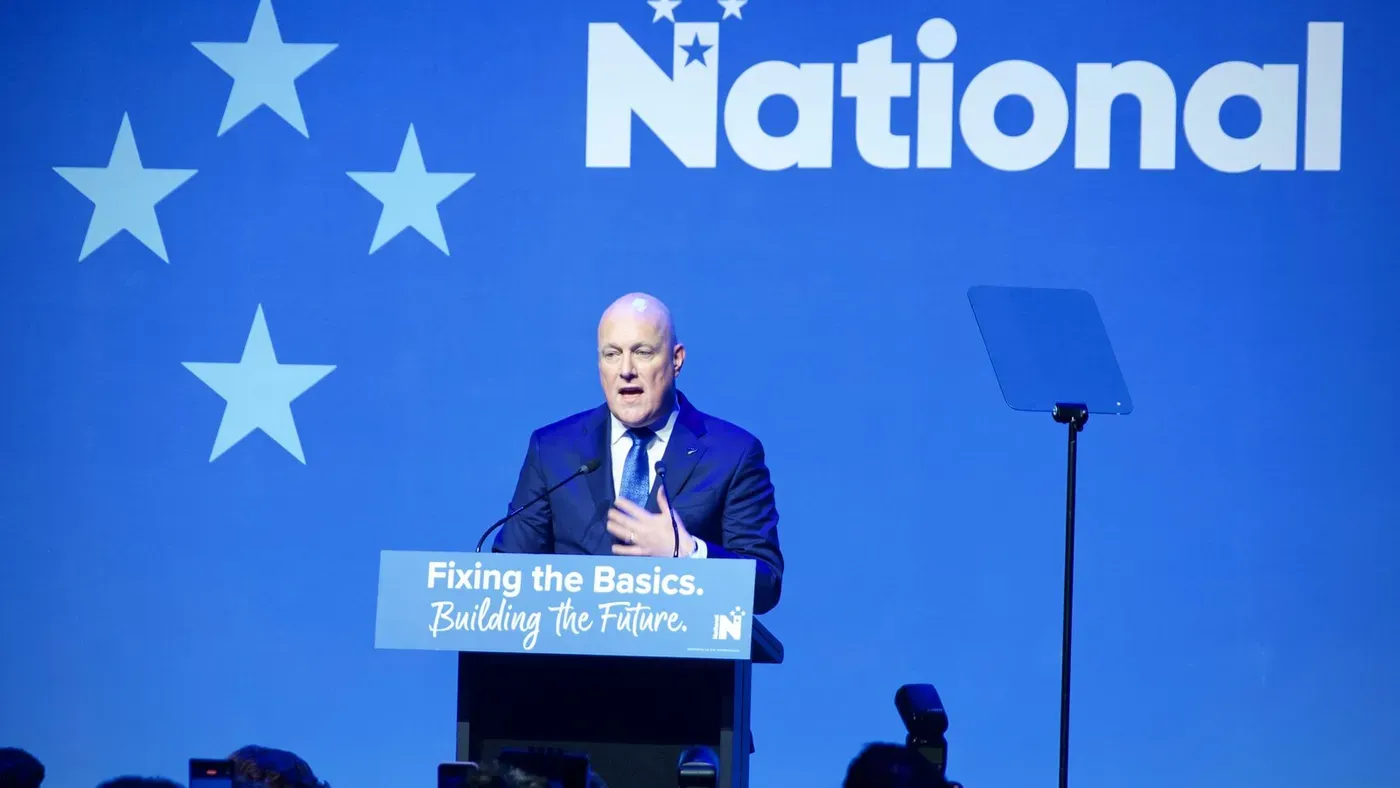
New Zealanders are bracing themselves for weeks of uncertainty after Saturday's election resulted in a stalemate between the country's two major parties, National and Labour. The closely contested vote failed to produce a clear winner, leaving both sides scrambling for support from minor parties to form a governing majority.
The election was marked by a significant shift in voter sentiment, with many choosing to abandon traditional party allegiances in favor of smaller, more ideologically driven groups. This trend has left National and Labour reeling, as they struggle to come to terms with the changing landscape of New Zealand politics.
One of the surprise winners on Saturday was Opportunity, a new entrant group that secured seven seats in Parliament. Led by 38-year-old business consultant Qiulae Wong, who describes herself as a centrist, Opportunity has emerged as a key player in the post-election negotiations.
Wong's party has vowed to bring a more evidence-based approach to politics and put an end to partisan bickering. Her platform appears to have resonated with voters, who are increasingly disillusioned with the current state of New Zealand's economy and politics.
Opportunity's unexpected success has thrown a spanner in the works for both National and Labour, which will now need to navigate complex negotiations with minor parties to secure a governing majority. With no clear winner emerging from Saturday's vote, it remains to be seen how these talks will unfold.
As New Zealanders wait to discover who will lead their country, one thing is certain: the post-election landscape has changed forever. The rise of minor parties and the emergence of Opportunity as a key player are set to have far-reaching implications for New Zealand politics.
The uncertainty surrounding the outcome of the election has left many Kiwis searching for answers online, with "who won the election 2026" becoming the top trending Google search in New Zealand on Sunday.
As the counting continues, it's clear that neither side has secured a clear victory, leaving parties to wait until November 27 for final tallies to confirm their seat numbers. The conservative incumbent government led by Luxon's National party appears to be clinging to power by a thread, with a slim lead of just one seat over its closest rival.
Luxon has sought to shift the blame for public dissatisfaction onto global economic shocks that have affected New Zealand's trade-based economy, suggesting that other incumbent governments worldwide are facing similar voter discontent over living costs. However, this message may not be resonating with voters, who seem increasingly disillusioned with politics as usual.
The left-wing bloc, led by Hipkins, appears to be struggling to gain momentum despite its hopes of triumphing in the election. While it fell short of a majority, the party remains optimistic about its chances, although the prospect of victory seems increasingly remote.
Electoral officials are now set to begin counting nearly 400,000 special votes, including those from New Zealanders living abroad, which is expected to take three weeks. This process will be closely watched as it could yet throw up surprises and alter the balance of power in the country.
As New Zealand's electoral commission begins counting special votes, which typically favor left-wing parties, the country teeters on the brink of a potential government crisis. These ballots have historically awarded an extra seat or two to left-wing groups in Parliament, potentially depriving the current right-wing majority of its razor-thin lead.
The leader of the National Party, Christopher Luxon, has hinted that his party may still secure power despite Saturday's disappointing results. He has committed to leading a caretaker government until the outcome is clear and has suggested that National has a viable path forward.
However, several high-ranking members of the National Party are likely to exit politics if their party fails to secure victory. The ministers of finance and defense, as well as the speaker of Parliament and the attorney general, would all be leaving their positions.
The results have also revealed increased support for National's traditional governing partners, who will now make more stringent demands on Luxon in exchange for their backing. This includes Libertarian ACT, which won 13 seats, and populist New Zealand First, which secured 12 seats.
Both ACT and New Zealand First are led by seasoned politicians with a reputation for being pragmatic and savvy. Critics of Luxon, who entered politics relatively recently, have pointed to his dealings with these parties as evidence of his inexperience in navigating the complex world of coalition politics.
New Zealand's electoral system is unique in that voters cast two separate ballots - one for their preferred party and another for their local representative.
This dual-voting system has significant implications for the country's politics, as it means that parties can win a majority of seats without necessarily securing the most votes nationwide. The central government holds considerable power in New Zealand, given the lack of states or regional authorities to balance its influence.
National Party leader Christopher Luxon faced criticism over his handling of coalition negotiations, particularly after his party secured just 29.21% of the preferred party vote as of Sunday - a significant decline from previous results.
Labour Party, led by Chris Hipkins, also struggled to gain traction with voters, securing only 29.36% of the party vote despite its relatively stable performance in local constituency races.
The minor parties on the left saw increased support, with the Greens winning 16 seats and Indigenous rights group Te Pāti Māori securing five - a development that could potentially influence the outcome of the election as lawmakers continue to tally up their numbers.
The current seat count suggests that Luxon's conservative bloc would hold a narrow majority of 67 seats, making it challenging for him to form a government without relying on support from other parties.
Despite this, Hipkins' left bloc is unlikely to gain enough seats through special votes to secure a clear victory, and even if they do, he may still need the backing of newcomer Wong to govern. Luxon has consistently ruled out negotiating with Wong, but it remains to be seen whether his stance will change in light of the tight result.
Facts based on reporting originally published by ABC News International.
You may republish this story, in full or in part, if you credit News Central Site and link to it (licence CC BY 4.0). Photos are not included.