France Riots Leave Trail of Devastation Across Country
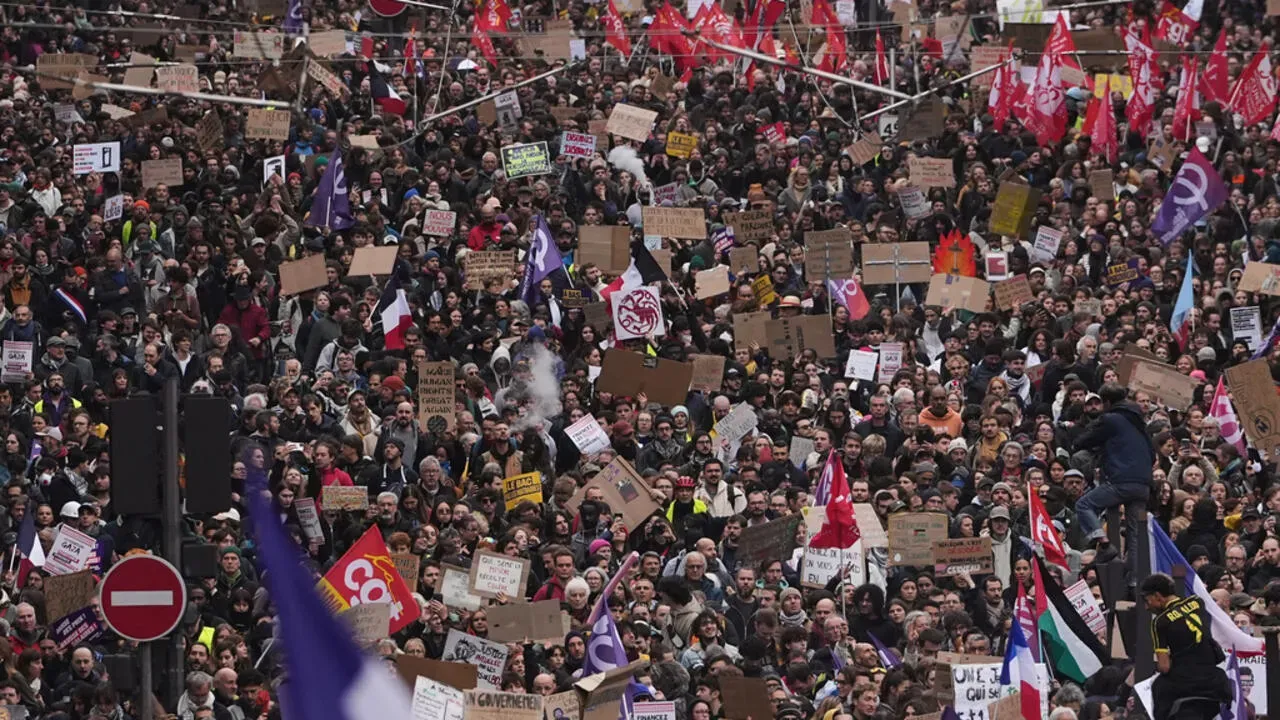
France is still reeling from the aftermath of riots and looting that broke out on October 17, as peaceful protests against rising living costs turned violent in several cities across the...
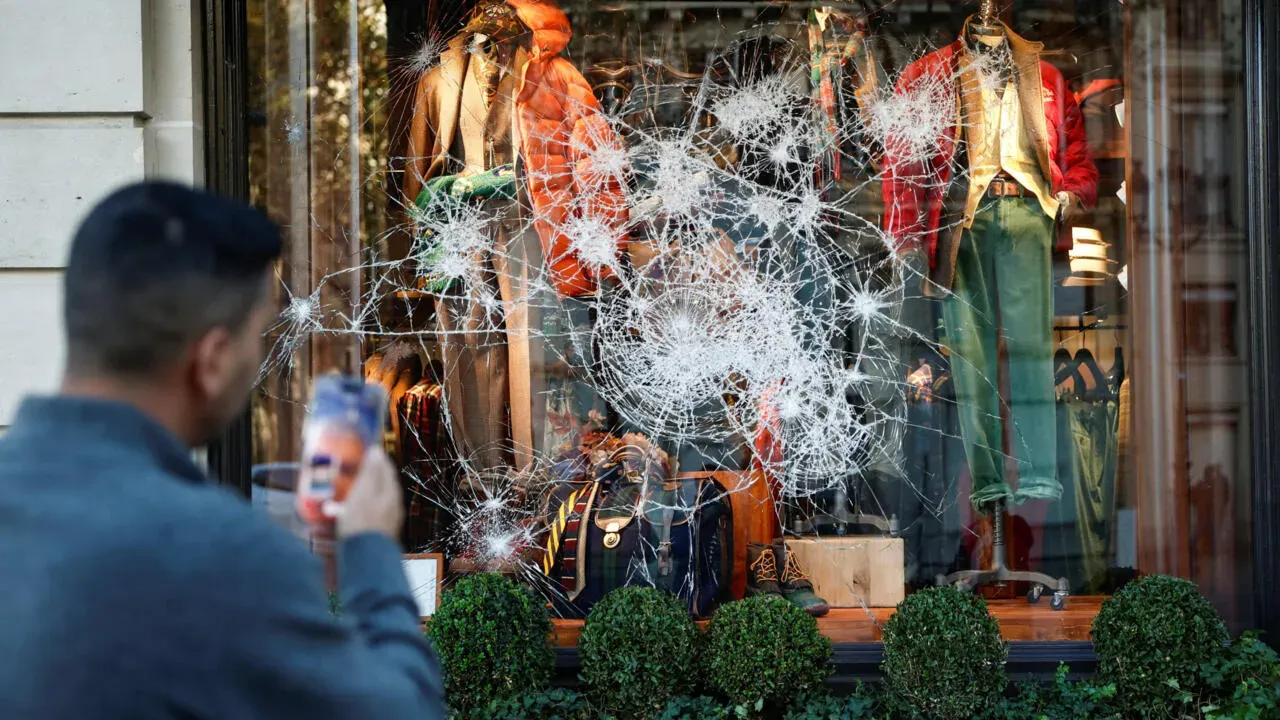
France is still reeling from the aftermath of riots and looting that broke out on October 17, as peaceful protests against rising living costs turned violent in several cities across the country.
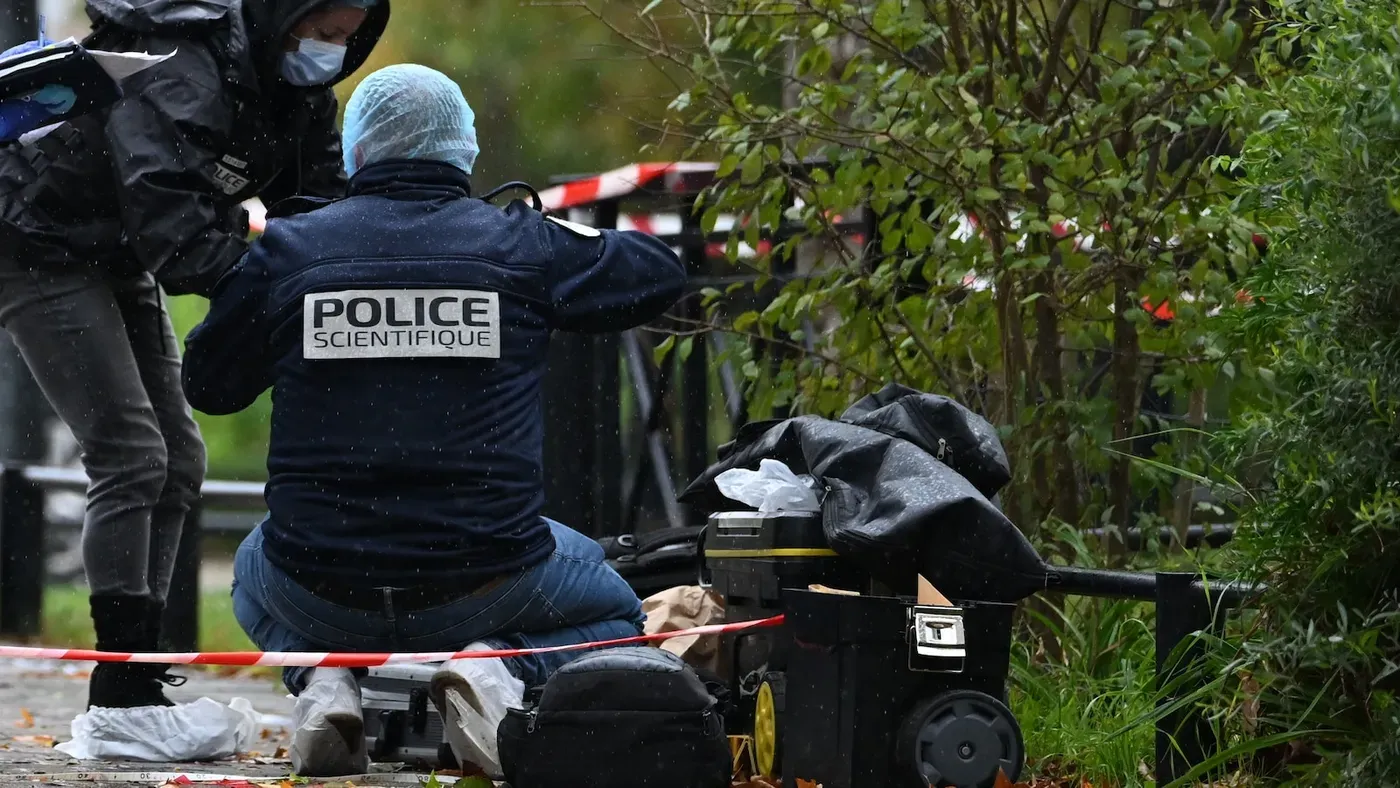
The scenes of destruction were stark: charred buildings, gutted shops, and burned-out cars littered the streets, leaving a trail of devastation in their wake. The violence was particularly intense in Paris, where images of blazing barricades and burning buildings dominated the headlines.
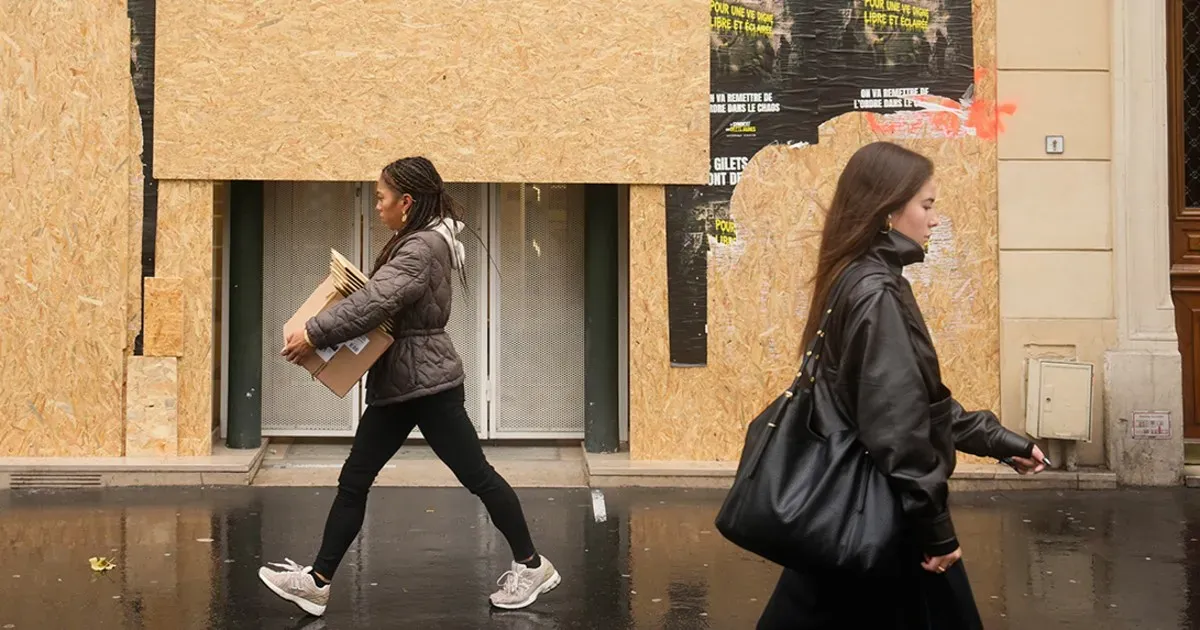
While the vast majority of protesters remained peaceful, the riots and looting that did occur had a profound impact on local businesses, many of which were left to pick up the pieces after being vandalized or set ablaze. According to estimates from France's Chamber of Commerce and Industry, nearly 2,500 businesses were damaged over the weekend.
The economic toll of the violence is still being tallied, but one thing is clear: it was a costly affair. The free-market IFRAP Foundation has put the total damage at close to a billion euros, a staggering sum that will likely have far-reaching consequences for local communities and businesses.
As the country struggles to come to terms with the aftermath of the riots, the French government has announced plans to make protesters liable for up to €10,000 in reparations for any damage caused during public demonstrations. The move has been widely criticized as "deeply regressive, with many arguing that it unfairly targets peaceful protesters who were not directly responsible for the violence.
The draft bill is just one of several measures aimed at addressing the government's perceived failure to maintain order during the protests, which drew widespread criticism from across the political spectrum. As the debate over the proposed legislation continues, one thing remains clear: the aftermath of October 17 will be felt for months to come.
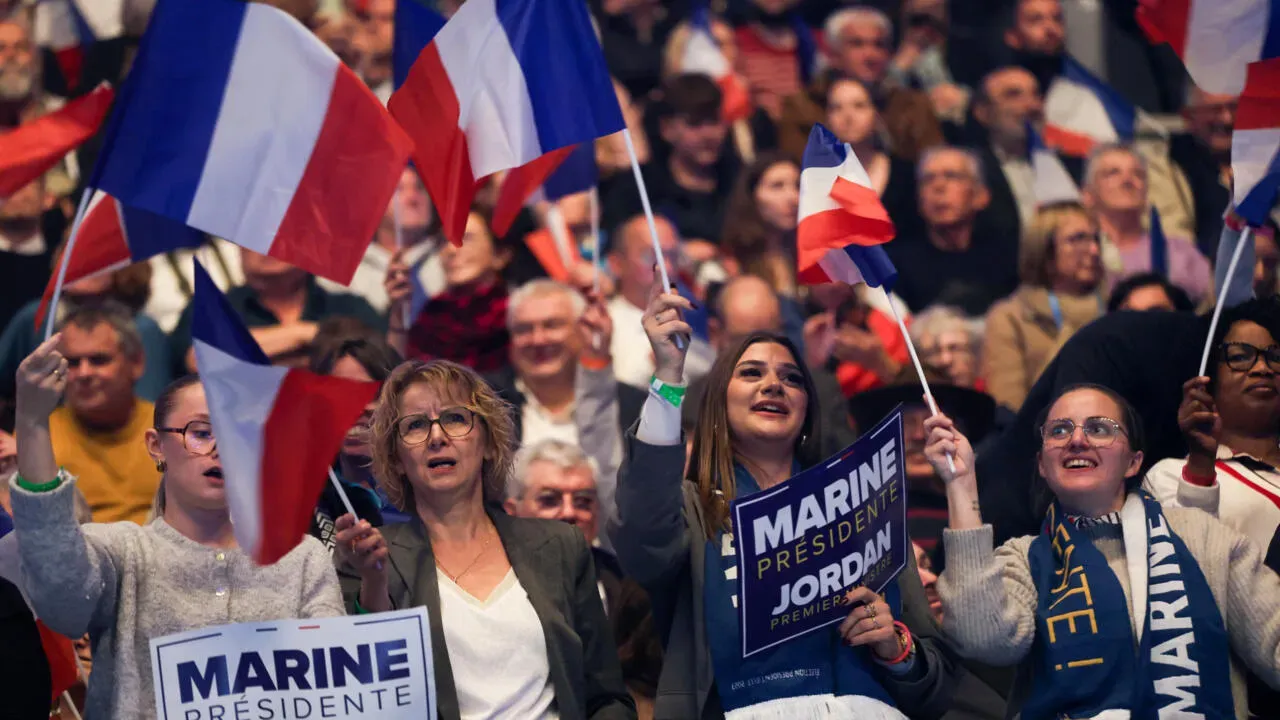
The proposed legislation has sparked intense debate among human rights organisations and workers unions, who claim it would severely undermine the right to peaceful demonstration.
Critics argue that the bill's broad definition of rioters could lead to innocent bystanders being unfairly targeted, while its emphasis on punishing individuals for property damage could have a chilling effect on freedom of speech.
Laurent Caruso, a member of the National Bar Council's Liberties and Human Rights Commission, has questioned the need for such legislation. According to him, existing laws already provide sufficient mechanisms for holding individuals accountable for their actions during riots.
Caruso points out that those responsible for damage can be held criminally liable or required to pay fines and compensation for the harm caused. This existing framework, he argues, would render the proposed law redundant.
The draft legislation has also been criticized for its attempt to identify and prosecute individuals who have knowingly taken part in groups formed to carry out acts of vandalism. Critics worry that this could lead to a slippery slope where even those who simply attended protests or demonstrations could be targeted.
Experts are still waiting to see the final form of the bill, but the current draft has already raised concerns about its potential impact on civil liberties and the right to peaceful assembly.
The proposed law would hold individuals accountable for their presence at public gatherings where vandalism or looting occurs, even if they did not participate in such actions themselves.
This approach is intended to broaden the scope of liability, making it easier to assign responsibility and financial penalties to those present during unrest, regardless of whether they were directly involved.
Critics argue that this would create a situation where individuals could be held accountable for the actions of others, simply because they were in close proximity. This raises questions about the limits of personal liability and the potential for innocent bystanders to be unfairly penalized.
The draft law also leaves unclear how much time an individual has to leave a demonstration before being considered liable for any subsequent events. In crowded protests where movement is restricted, this could create confusion and uncertainty among participants.
Rights groups have sounded alarm bells over the proposed legislation, warning that it would have far-reaching consequences for civil liberties in France. Amnesty International has described the law as a deeply regressive step" for the country.
The General Confederation of Labour and the French Democratic Confederation of Labour, two major workers unions, have also expressed strong opposition to the draft bill. They see it as a significant threat to the fundamental right to non-violent protest in France.
In their criticism, these groups highlight concerns that the law would unfairly penalize individuals for participating in peaceful demonstrations, potentially chilling free speech and assembly rights.
The French government's proposed bill has sparked concerns about its impact on civil liberties and peaceful demonstrations.
Critics argue that the uncertainty surrounding the law is intentional, designed to deter potential protesters from joining street marches.
This perceived aim of discouraging people from participating in demonstrations raises questions about the government's commitment to upholding fundamental rights.
The broad wording of the law has also been criticized for leaving it open to arbitrary enforcement or even abuse by the police tasked with applying it.
As a result, there is a risk of discrimination against certain groups, particularly young people from disadvantaged backgrounds who may be more easily targeted during demonstrations.
Financial assistance and social benefits could potentially be seized to cover damages caused during outbursts of street violence under the proposed law.
This provision has been widely criticized as an example of collective punishment, where individuals are penalized for actions they did not commit.
The French government's proposed draft law has sparked intense debate over its plan to deduct damages from social benefits of families whose members have been involved in property destruction during social unrest.
Critics argue that this provision amounts to collective punishment, penalizing individuals for actions they did not commit. To illustrate the severity of this measure, a senator pointed out that under the proposed law, it would take 14 years for a family receiving the minimum income to pay €10,000 in damages.
The idea of stripping social benefits from families whose members have been found guilty of property destruction raises uncomfortable questions about the financial means of those responsible. It has become clear that many individuals involved in property damage do not have the financial resources to cover the costs.
A key concern is that this provision would disproportionately affect vulnerable groups, who may struggle to pay for damages even if they are given extended periods to repay. This issue was highlighted by a senator, who noted that deducting €57 per month from families receiving the minimum income would be an onerous burden.
The concept of making individuals responsible for paying damages through community service has been floated as an alternative solution. However, this approach also poses challenges, particularly when dealing with those who are unable to afford compensation.
From a practical perspective, pursuing individuals through the legal system until they have acquired sufficient financial means is seen as a more effective way to recover damages. Nevertheless, this process can be lengthy and may not always yield the desired results.
The debate surrounding this provision has become increasingly heated, with opponents arguing that it would lead to unfair consequences for those who played no part in the riots.
Lawyers have expressed concerns about the French government's plan to make protesters pay for damages caused during riots and looting. They argue that while punishing lawbreakers is necessary, it must be done within established legal frameworks.
The introduction of this provision has sparked heated debate, with opponents warning against unfair consequences for those who did not participate in the disturbances.
Facts based on reporting originally published by France 24 English.
You may republish this story, in full or in part, if you credit News Central Site and link to it (licence CC BY 4.0). Photos are not included.