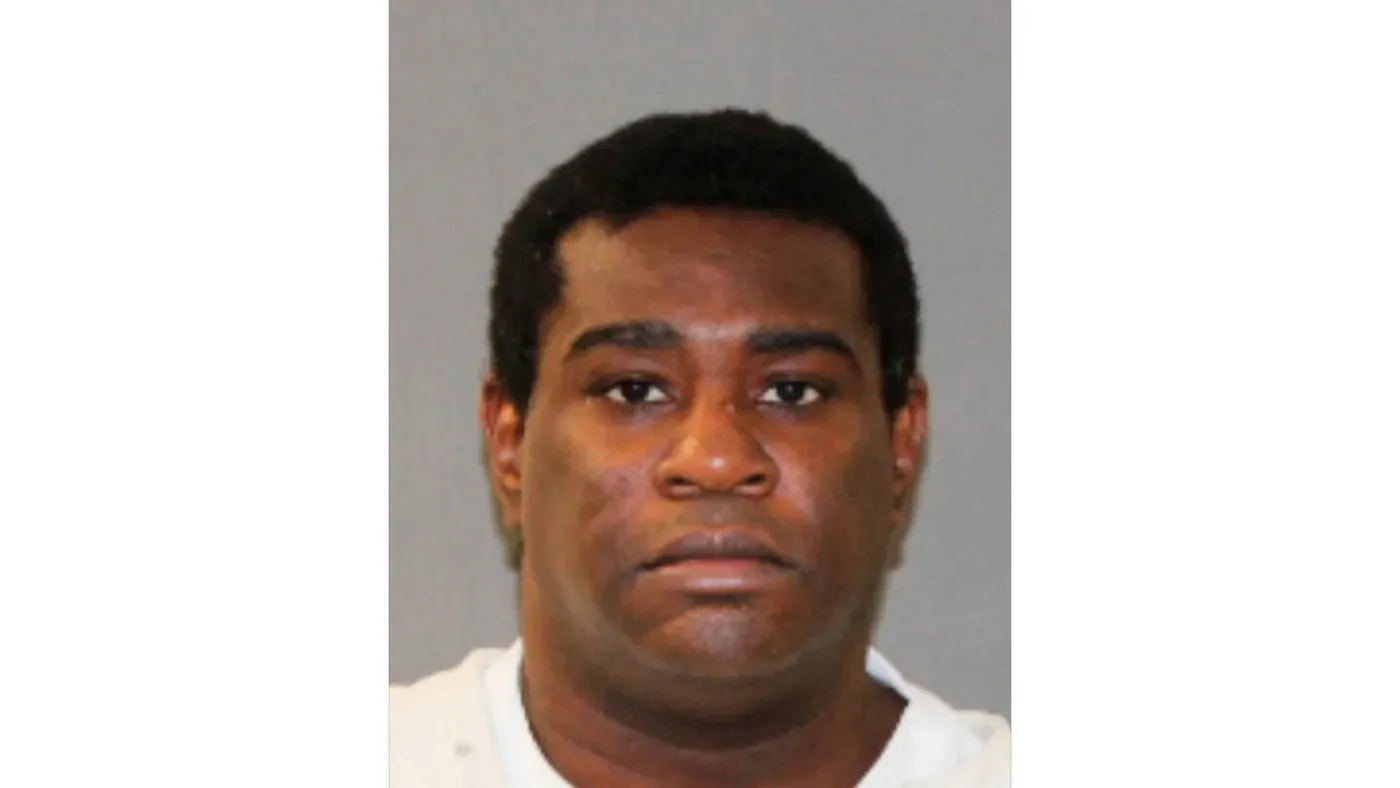
Failed Execution Attempt Pauses Tennessee's Lethal Injection Schedule
Christa Pike, convicted of murdering Colleen Slemmer in 1995, took her first steps in hospital six days after receiving two lethal injections.
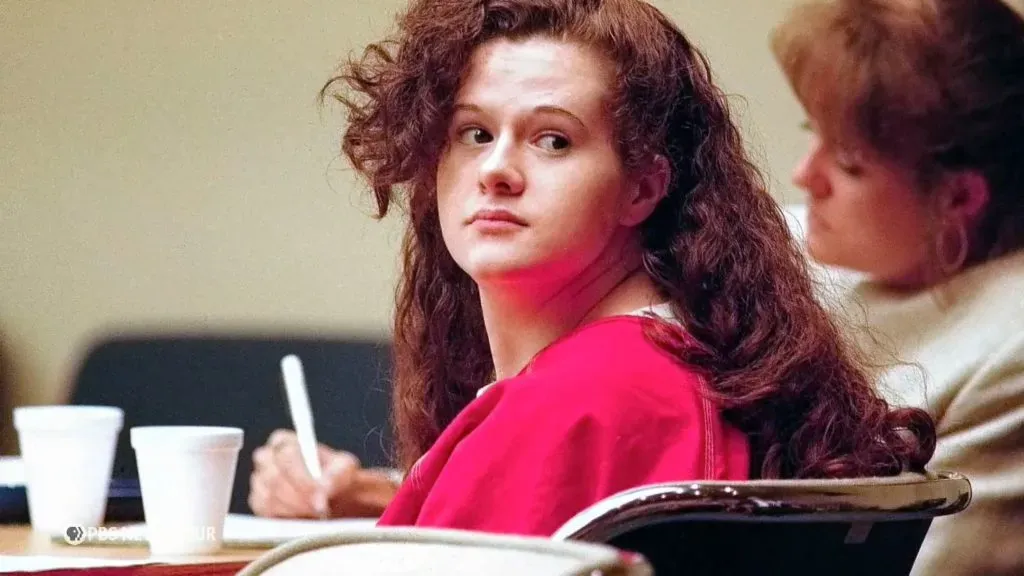
A Tennessee woman who survived a botched execution has reportedly taken her first steps in hospital six days after receiving two lethal injections.
Christa Pike was convicted of murdering Colleen Slemmer in 1995 and it's now unclear how that case will proceed due to the failed execution attempt.
The governor has paused all pending executions through the end of the year, while a judge has ordered Tennessee to preserve evidence of what went wrong during the procedure.
A judge has also mandated that evidence be preserved, adding another layer to the investigation into the botched execution.
The botched execution of Christa Pike has sparked a new wave of debate surrounding the death penalty in the United States. While some may have seen this event as shocking, experts argue that it is not surprising given the frequency of botched executions and the unreliability of lethal injection.
Lethal injection, which is often touted as a humane method of execution, has proven to be the most frequently botched method of capital punishment. This trend is particularly concerning, given its widespread use in the US.
Governor Lee's decision to launch an investigation into the events surrounding Pike's execution is seen as a crucial step towards uncovering the truth behind this unprecedented event. The investigation will aim to identify what went wrong and how it can be prevented from happening again in the future.
As the investigation unfolds, policymakers are left with difficult decisions to make regarding Christa Pike's legal status. Will they attempt to retry the execution, or does her survival raise questions about the validity of the death sentence itself?
The governor will soon face a crucial decision regarding Christa Pike's fate, as they weigh the option of commuting her death sentence.
If the governor declines to commute the sentence and instead chooses to proceed with a second execution attempt, it would mark a rare occurrence in US history.
A second execution is extremely uncommon in the United States, with only a handful of instances recorded over the years. One notable example occurred in 1947 in Louisiana, while Alabama has also seen such attempts more recently.
The prospect of subjecting Christa Pike to a second execution attempt raises significant concerns about cruel punishment and double jeopardy, potentially violating the Eighth Amendment and the US Constitution.
The complexities of lethal injection have led to numerous issues during executions, including difficulty locating usable veins in inmates' bodies. This problem highlights the inherent challenges of attempting to put someone to death through a multi-step medical process.
Furthermore, ensuring that the drugs used for lethal injection are up-to-date and potent is also crucial but can be problematic due to the secrecy surrounding execution procedures. States, such as Tennessee, often keep details about their execution methods confidential, which can hinder transparency and accountability when issues arise.
The botched execution of Christa Pike has brought attention to these concerns, yet it remains uncertain whether this incident will significantly alter public opinion on capital punishment.
The United States is experiencing a period of national reconsideration of capital punishment, according to Austin Sarat, an expert on the topic. This shift in public opinion is reflected in declining support for the death penalty over the past three decades.
Support for the death penalty has decreased significantly since its peak, and even those who still advocate for it tend to be less enthusiastic than they once were. Additionally, the number of death sentences handed down across the country has plummeted compared to three decades ago.
Many states that retain capital punishment on their books rarely or never actually carry out executions. This lack of enforcement raises questions about the effectiveness and legitimacy of the death penalty as a tool for justice in these jurisdictions.
Facts based on reporting originally published by PBS NewsHour Politics.
You may republish this story, in full or in part, if you credit News Central Site and link to it (licence CC BY 4.0). Photos are not included.