EU Faces $1 Billion Daily Trade Deficit with China
The European Union is facing a significant trade deficit with China exceeding $1 billion per day, causing concern among EU leaders about potential job losses.
The European Union is facing a significant trade deficit with China, exceeding $1 billion per day, which is causing widespread concern among EU leaders about potential job losses and prompting them to adopt a more aggressive stance towards their second-largest trading partner.
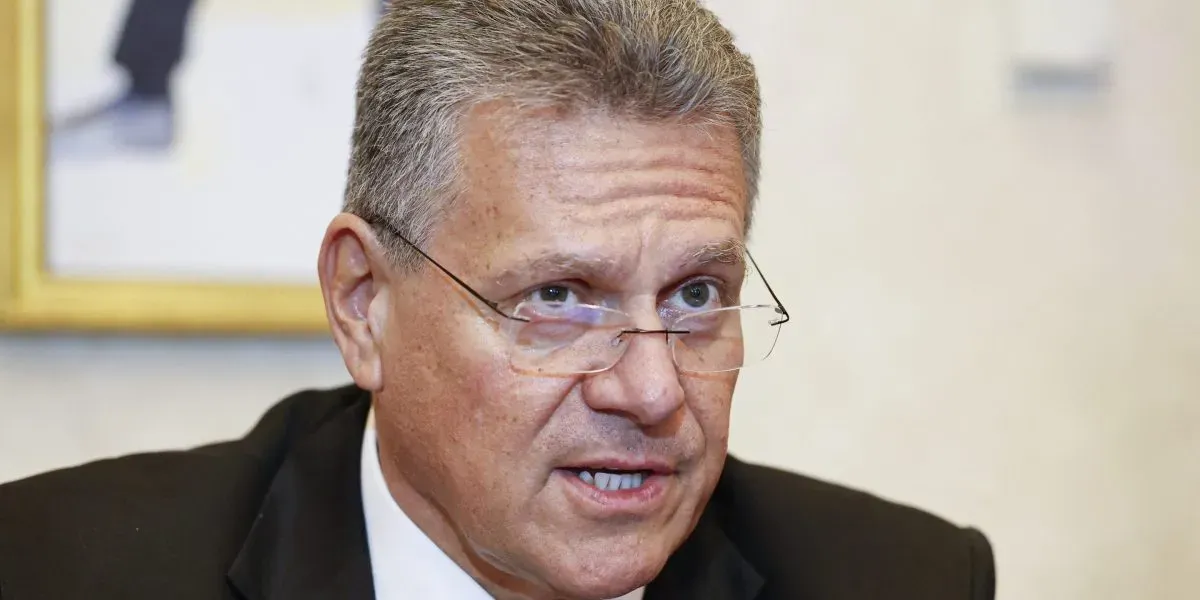
This growing anxiety has prompted the EU's top trade envoy, Maroš Šefčovič, to travel to Beijing for a two-day meeting with Chinese Commerce Minister Wang Wentao. The goal of this meeting is to address the massive 360 billion euro ($410 billion) trade deficit between the EU and China, which has been a major point of contention between the two economic powerhouses.
China's significant subsidies and exports have raised concerns among politicians and economists in the EU about the impact on core industrial sectors such as steel production and car manufacturing. Many of these industries are struggling to compete with Chinese imports, which have surged since the US imposed tariffs on Chinese goods.
EU lawmakers have been voicing their concerns about trade with China, with a recent debate in Strasbourg's European Parliament highlighting the need for economic reciprocity between the EU and China. A resolution passed by 454 votes to 86 calls for the EU to take a more robust approach if China fails to open its markets to European businesses.
A rift within the EU's stance towards China has been exposed as member states fail to present a united front in trade negotiations. Despite previous attempts to address market access and competition concerns, the bloc is still unclear about its willingness or ability to take decisive action.
France's High Commission for Strategy and Planning had previously called for swift measures to counterbalance China's growing economic influence. Specifically, it recommended imposing 30% tariffs on many of China's exports and devaluing the euro against the Chinese currency. This move would be aimed at leveling the playing field in trade between the two regions.
Germany's automotive sector is also feeling the strain as sales plummet in China. Conversely, China is poised to seize market share in Europe by undercutting European automakers on price, thanks to significant state subsidies. This has already led to mass layoffs at major manufacturers such as Volkswagen.
A joint letter from France and Germany has proposed a comprehensive review of the EU's China policy. Among its recommendations, it suggests making it easier for the European Commission to deploy the Anti-Coercion Instrument, a previously unused tool designed to restrict or block trade and investment from countries applying undue pressure on EU nations or corporations.
Not all EU member states share this tough stance towards China, however. Spain, one of the eurozone's largest economies, has taken a more conciliatory approach in recent years. Prime Minister Pedro Sanchez has visited Beijing four times in three years, reflecting the country's efforts to maintain good relations with its Chinese counterpart.
The economic costs of Europe's reliance on Chinese imports are starting to show, particularly in key sectors such as battery production and solar panels, which have seen significant job losses and capacity reductions. This trend has been highlighted by the European Policy Centre in Brussels, which has called for a trade investigative body modelled on Section 301 of the U.S. Trade Act.
European Commission President Ursula von der Leyen has described this phenomenon as another "China shock for Europe, echoing the devastating impact experienced by the United States in the early 2000s when factory jobs in the American heartland were lost en masse. The EU's economic woes necessitate both internal reforms and a more assertive foreign trade policy, particularly with regards to China.
According to Tim Rühlig, a China analyst at the European Union Institute for Security Studies, the bloc's internal think tank, European businesses and political leaders share some responsibility for the current state of affairs. To remain competitive in the coming years, it is essential for Europe to protect itself against the risks associated with Chinese trade.
It is becoming increasingly clear that complete disengagement from China is not feasible, given the significant economic ties between the two entities. However, there is growing momentum within the EU to reassess and reset its trade relations with Beijing, paving the way for a more balanced and sustainable economic partnership.
The European Union is grappling with the implications of its trade relationship with China, a partnership that has grown significantly over the years. According to data from the European Commission, China is now the EU's second-largest goods trading partner after the US.
In recent weeks, France and Germany have floated the idea of taking a more assertive stance in their trade dealings with Beijing, a move that has been met with caution by some EU member states. This shift in approach has sparked debate about the need for greater diversification in the bloc's trade relationships.
US Secretary of State Marco Rubio has weighed into the discussion, calling on Europe to strengthen its alliance with Washington during a recent visit to Greece. He warned that failure to act would result in the West losing its position as a global leader, and urged Europeans to awaken from their long slumber".
The Chinese government has responded to the EU's tentative moves by advising against protectionist measures. In a statement, China's Ministry of Commerce cautioned that such actions would harm others without bringing any benefits to oneself.
China's trade with the EU continues to grow, with exports rising 15.3% in the first eight months of this year, according to Chinese customs agency data. Meanwhile, imports from the EU increased by 6.2% over the same period.
The resilience of China's export machine has been a remarkable phenomenon despite the imposition of US tariffs and other trade restrictions. According to Max Zenglein, Asia Pacific senior economist at The Conference Board, China's export growth in key regions such as Europe, Southeast Asia, Latin America, and Africa accelerated after the US tariffs came into effect last year.
China's global trade surplus for 2025 stood at $1.2 trillion, a testament to its continued dominance in international trade. This surplus is a result of China's ability to maintain a significant lead over other countries in terms of export volumes. The resilience of China's economy has been largely driven by exports, as domestic demand remains sluggish.
The European Union's attempts to counterbalance China's growing economic influence have not gone unnoticed. In response to the EU's proposed tougher trade measures, Beijing warned that it would take retaliatory actions. This warning was followed by an anti-dumping probe launched on EU exports of p-nitrotoluene, a chemical used in dyes and pharmaceuticals.
China's expanding production capacity in Europe has also been a significant factor in its export growth. The EU imports substantial amounts of Chinese lithium-ion batteries and hybrid electric vehicles, while Chinese carmakers are increasing their presence in the European market. This trend is expected to continue as China seeks to deepen its economic ties with the region.
The launch of the anti-dumping probe by Beijing has sent a clear signal that it will not tolerate any protectionist trade measures imposed by the EU. The probe's focus on p-nitrotoluene exports highlights the complex web of trade restrictions and retaliatory actions that are currently unfolding between China and the European Union.
Trade tensions between China and the European Union have escalated further, with France and Germany taking a strong stance against Beijing's export policies. The two countries are likely to use their combined economic weight to pressure China into making concessions on trade.
The EU is also seeking to leverage its own investment in Europe as a bargaining chip in these negotiations, particularly given the competition among member states for foreign capital and jobs. This complex web of trade restrictions and retaliatory actions is set to continue, with no end in sight for the current standoff between China and the EU.
Facts based on reporting originally published by Fortune.
You may republish this story, in full or in part, if you credit News Central Site and link to it (licence CC BY 4.0). Photos are not included.