Electrical Safety Foundation International Warns Against Long-Term Extension Cord Use
Leaving an extension cord plugged in permanently can cause damage and create hazards due to insulation cracks, loose connections, or overheating.
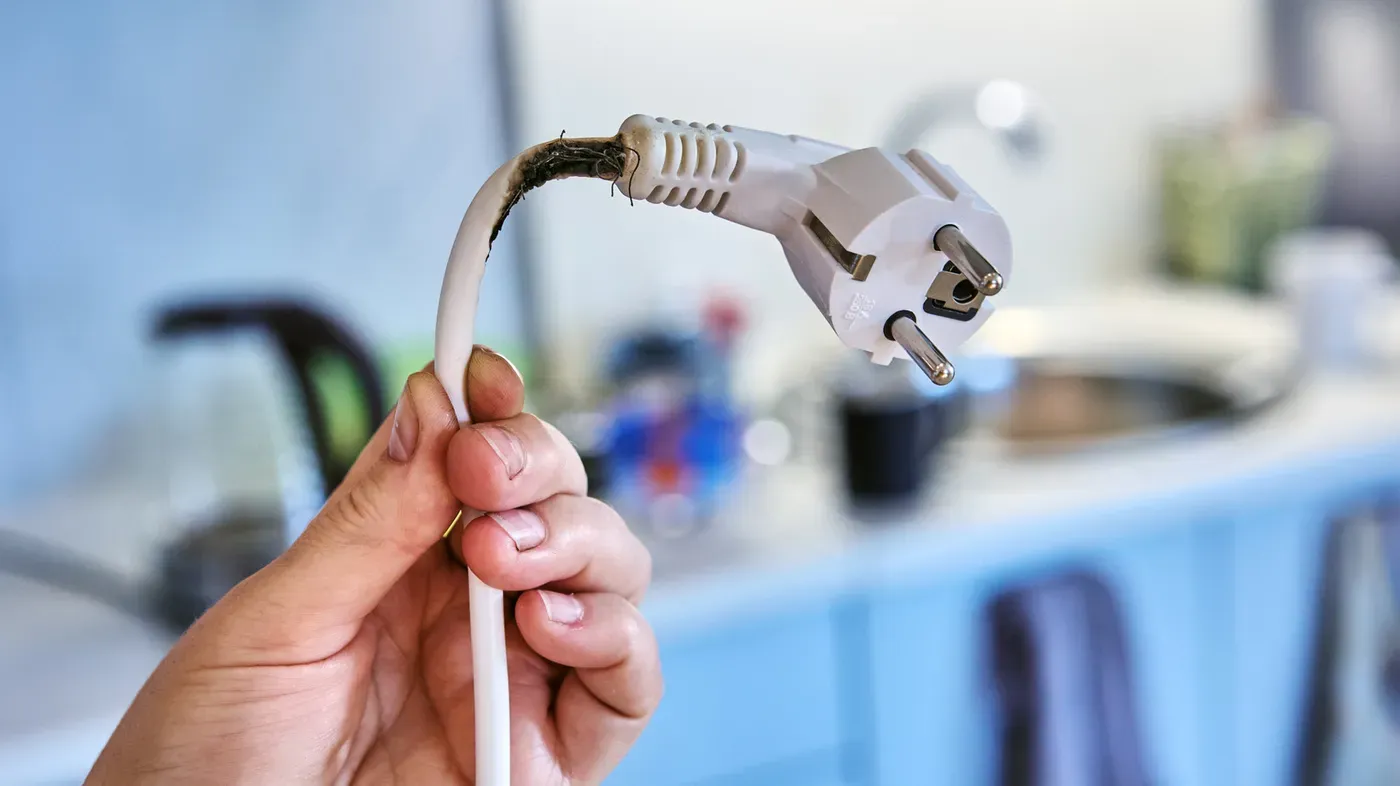
A common sight in many offices and homes is the extension cord, often left plugged in for convenience. While it's easy to get into the habit of leaving it connected, this can lead to a range of problems down the line.
The issue lies not with the wall outlet itself, which can handle the load, but rather with the extension cord that's been left permanently in place. According to experts at the Electrical Safety Foundation International (ESFI), extension cords are not designed for long-term use and can become damaged over time.
When an extension cord is used continuously, it can develop cracks in its insulation or suffer from loose connections. In some cases, the plug itself may even start to get hotter than usual, which can be a sign of a more serious issue.
The problem with leaving an extension cord plugged in all the time is that it becomes part of your daily routine, often getting trapped behind furniture or damaged by accidental knocks. Furthermore, if you're using it to power something more demanding than its original purpose, such as a laptop charger, this can put additional strain on the cord.
The National Electrical Code (NEC) has guidelines in place to prevent misuse of extension cords. According to Section 400.12, these flexible cords and cord sets should not be used as permanent wiring additions. They also shouldn't be run through holes in walls or floors, doorways, windows, or anywhere they may be physically damaged.
The NEC's rules aim to ensure that extension cords are only used for temporary solutions, rather than being left plugged in permanently. This can help prevent a range of potential hazards and damage to the cord itself.
The rules governing extension cords in the US can be complex and often confusing. For instance, the National Electric Code's (NEC) temporary-installation regulations impose a 90-day limit on holiday decorative lighting and similar uses.
However, this time limit does not imply that all extension cords are prohibited after day 91. Instead, it highlights the importance of using these cords judiciously. Workplace safety organization MEMIC suggests that if equipment has been powered by an extension cord for more than 30 days, a permanent solution should be considered.
In home office settings, this might involve installing a dedicated outlet rather than relying on an extension cord as a long-term fix. The Electrical Safety Foundation International (ESFI) also advises against covering cords, as this can prevent heat from escaping and lead to overheating.
The capacity of an extension cord is critical in determining its suitability for specific applications. Different types of appliances place varying loads on a cord, with some requiring more current than others. A laptop charger, for example, has different requirements compared to a space heater.
Using the wrong type of extension cord can result in overheating and even fires. The US Fire Administration recommends plugging major appliances directly into wall outlets to mitigate this risk. When it comes to portable heaters, the agency takes an even more cautious approach: it advises against using extension cords or power strips altogether.
Leaving an extension cord plugged in all the time can lead to electrical fires, as seen in a recent incident where a house fire in Virginia was attributed to the failure of an extension cord. The Loudoun County Fire and Rescue reported that five occupants were displaced due to this incident.
The US Electrical Safety Foundation International (ESFI) advises against certain practices when it comes to extension cords. These include daisy-chaining, which involves connecting multiple extension cords together, as well as running a cord under a rug or through a doorway. Both of these actions can lead to heat buildup and damage.
To avoid electrical fires, the ESFI recommends checking the rating of any extension cord before use, replacing damaged cords, and unplugging temporary setups when finished with them. This includes using 25- to 50-foot 16-gauge cords for 1 to 13 amps, 14-gauge cords for 14 to 15 amps, and 12- or 10-gauge cords for 16 to 20 amps.
Facts based on reporting originally published by Engadget.
You may republish this story, in full or in part, if you credit News Central Site and link to it (licence CC BY 4.0). Photos are not included.