El Niño Threatens Global Banana Supplies
A severe El Niño event could lead to a 65% reduction in banana harvests due to drought or excessive rain, prompting growers to seek higher prices from wholesalers.
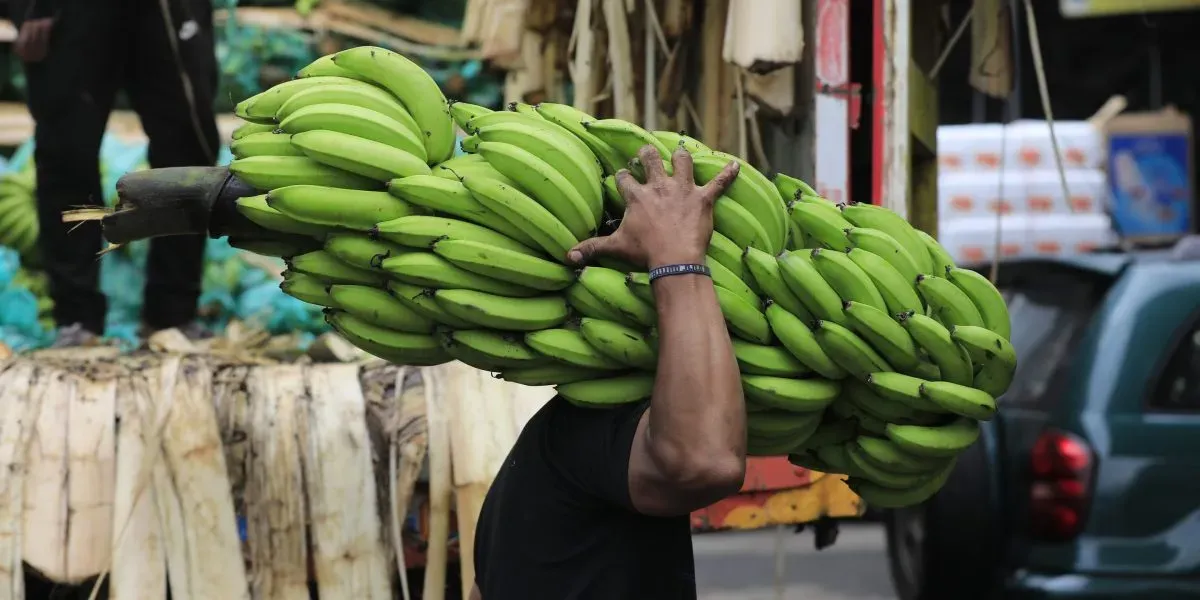
Bananas have been a staple at supermarkets, priced affordably to entice customers. However, their relatively low cost is set to rise due to the looming threat of an intense El Niño event, which could wreak havoc on banana crops thousands of miles away.
El Niño's impact on banana yields can be dramatic, with less rainfall hindering growth and resulting in potential harvest losses of up to 65%. Conversely, excessive rain can lead to waterlogged soil, fostering the spread of fungal and bacterial diseases that further reduce yields.
Growers are now seeking higher prices from wholesalers for their crop, a move that may challenge the status quo at grocery stores where bananas have long been considered a loss leader. This shift is attributed in part to climate-driven productivity losses and increased costs.
The industry's response to El Niño includes Costa Rica's National Banana Corporation urging an almost 10% hike in the minimum export price of bananas for next year, citing productivity losses and stronger currency as key factors. Fairtrade International has also approved a 5.6% increase in its average minimum prices for banana growers, effective from January.
The El Niño event is expected to be particularly severe, with a 60% chance that it will surpass previous occurrences dating back to 1950. Growers are bracing themselves for the worst as they request higher prices from wholesalers in response to the looming threat.
Heavy rainfall in Ecuador has caused 851 floods between August 29 and November 13, with banana-growing provinces Guayas, Los Ríos, and El Oro among those severely affected.
The country's top banana exporter is now on high alert for El Niño, having issued a red alert due to the extreme weather conditions. Climate stress in Ecuador is at four times its historical level for this time of year, making it difficult for banana crops to thrive.
Banana-growing regions are not only struggling with excessive rainfall but also scorching heat, which is detrimental to crop yields. For instance, bananas grown in the Philippines are being affected by high temperatures, while those in Ecuador and Costa Rica are facing waterlogged conditions.
The consequences of these extreme weather events will be felt in the global banana market. According to a report shared with Fortune, growers are bracing themselves for potential losses.
As import costs rise due to the Iran war's impact on diesel and fertilizer prices, the US is already seeing an increase in banana imports by volume (3% higher) and value (12% higher) compared to the same period last year.
Grocery stores have been absorbing the costs of higher banana imports, keeping prices low for shoppers despite rising expenses. This strategy is not unique to the current situation, as bananas are often treated as loss leaders to attract customers and increase foot traffic in stores. By keeping retail margins extremely low, grocery stores pass the financial burden directly down to growers.
However, experts warn that this may change with the strongest El Niño on record putting pressure on global supply chains. Higher import costs due to diesel and fertilizer price increases will eventually be passed on to consumers, although it's uncertain when exactly this will happen. The wholesale crisis is already underway, but retailers are hesitant to raise prices in the short term.
As the situation unfolds, shoppers can expect price hikes to become a reality in the long term, despite current efforts by grocery stores to maintain low prices. Growers and suppliers will ultimately bear the brunt of higher costs, while consumers may face increased prices on store shelves when retailers decide it's time to pass on the increases. The outcome is uncertain, but one thing is clear: the impact of El Niño will be felt across the entire supply chain.
Facts based on reporting originally published by Fortune.
You may republish this story, in full or in part, if you credit News Central Site and link to it (licence CC BY 4.0). Photos are not included.