Donald Trump's Popularity Hurts Republican Candidates
Many Republican politicians are trying to distance themselves from President Donald Trump's policies as election day approaches.
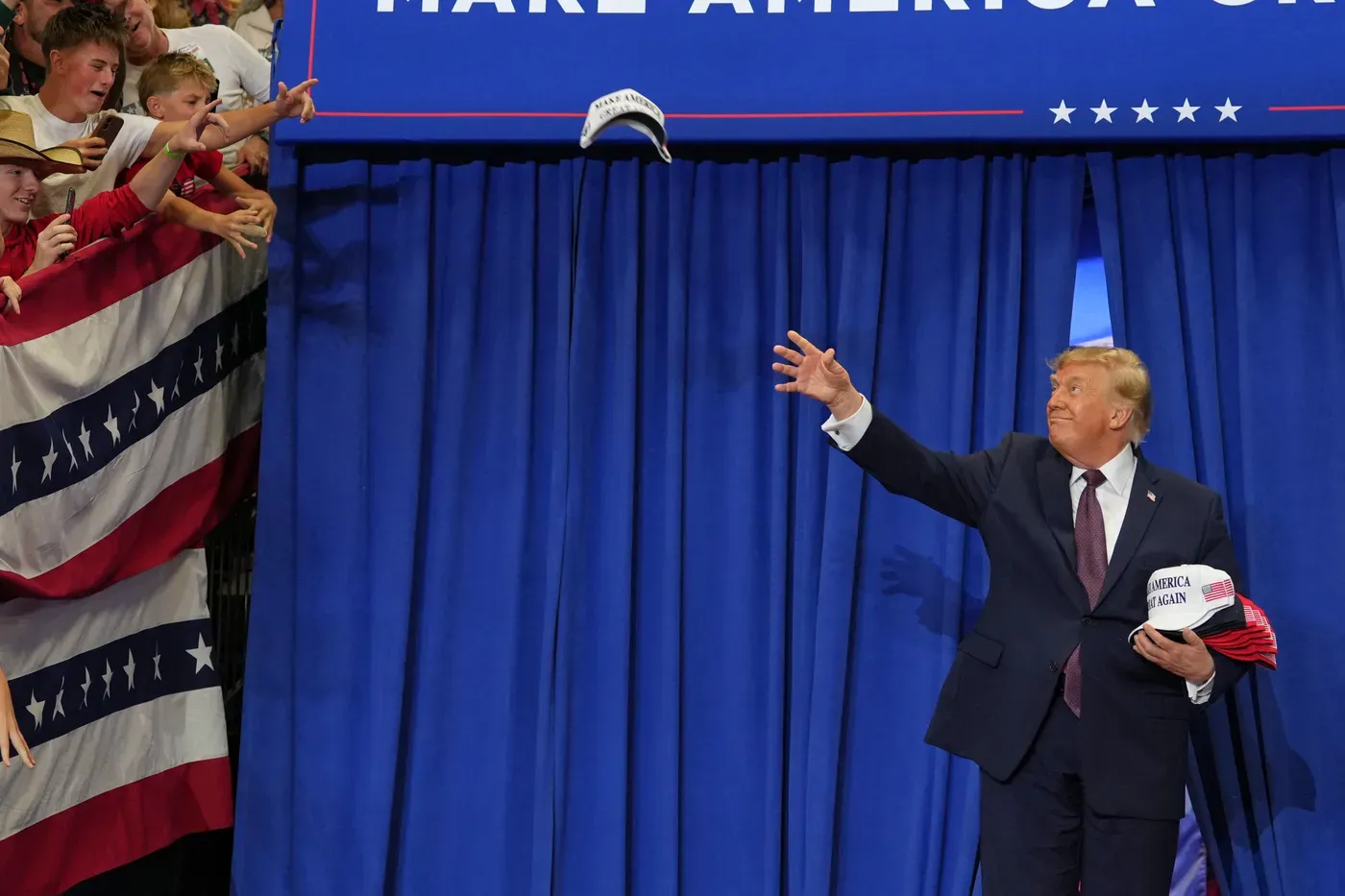
Republicans are privately pointing fingers at President Donald Trump as election day looms closer, despite their reluctance to criticize him publicly.
In a bid to distance themselves from his policies, including tariffs and the Iran conflict, many lawmakers and candidates are trying to downplay their association with the president's agenda. However, it appears that this effort is coming too little, too late for some of them.
A number of Republican politicians, who spoke on condition of anonymity, have acknowledged that Trump's actions have put them at a disadvantage in key battleground states where they were initially expected to perform well.
Interviews with over a dozen candidates and lawmakers suggest that many are now bracing themselves for losses on election day.
A growing number of Republicans are acknowledging that President Trump's unpopularity is a significant factor in their party's prospects for election day.
Some have expressed frustration and disappointment with the president's handling of key issues, such as foreign policy and economic trade policies, which they believe has alienated crucial voter blocs.
Republican strategists working on high-stakes races are now bracing themselves for potential losses, attributing them to Trump's sinking approval ratings and perceived mishandling of critical issues.
A Republican strategist working on the South Carolina Senate race noted that people will inevitably point fingers at the president if the party suffers significant losses on election day.
Despite outward appearances of unity, some Republicans are privately expressing discontent with the party's direction under President Trump's leadership.
According to a Republican strategist involved in competitive midterm races across the country, many party members have been holding back their criticism of the president out of loyalty and a desire to maintain party cohesion.
This restraint is evident in Georgia, where low early voting turnout in rural areas has raised concerns among some Republicans that it could negatively impact the entire ticket.
A former GOP chair from suburban Cobb County attributed the potential issue to rising fuel prices, particularly diesel costs.
The rollback of some tariffs and the addition of new ones was a compromise that Trump eventually agreed to, bringing relief to Collins. This concession came after Republicans had been pressing the White House to undo some of Trump's other contentious moves.
One such move was his executive order allowing for the importation of more foreign beef, which has sparked opposition from ranchers and farmers in states like Kansas, Iowa, and Texas. Despite these efforts to mitigate the impact of Trump's decisions, relief never materialized for those affected by them.
The Republican National Committee has been touting the president's achievements on cutting taxes, securing the border, and lowering drug costs as part of their midterm campaign strategy. However, Republicans are also acknowledging that some of Trump's actions have had significant consequences, particularly in the Midwest.
The White House's tariffs policy has been a significant concern for Republicans in key battleground states along the Canadian border, particularly in Maine and Michigan.
In heavily Latino border states like Arizona and Texas, hardline immigration enforcement that has led to thousands of deportations is seen as having had a devastating impact on local communities. The cancellation of Temporary Protected Status for Haitians and Venezuelans has also sparked outrage among voters in South Florida, where the issue is particularly sensitive.
Florida-based Republicans are now warning the president that his immigration policies have gone too far, with some even taking out ads to express their concerns. For instance, Rep. Maria Elvira Salazar, a Miami Republican, voiced her own criticism of Trump's approach in a campaign ad earlier this year.
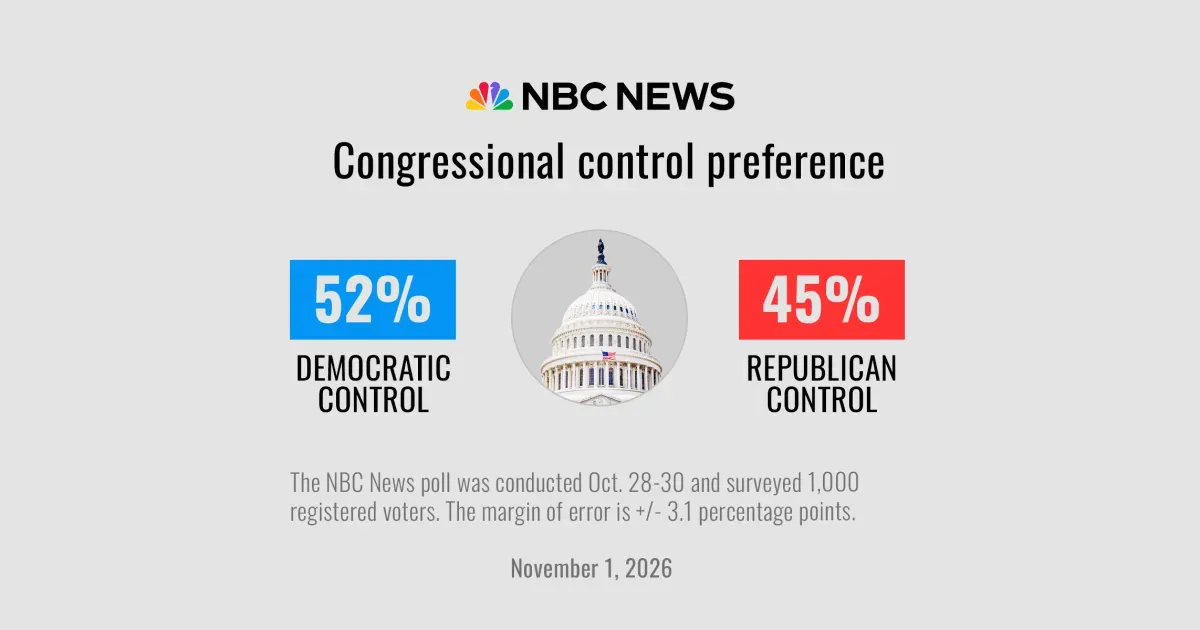
New polling data from The POLITICO Poll reveals that Republican midterm voters are divided on who to blame if the party underperforms in 2024: while nearly three out of ten say it's because Trump is making the GOP less popular, another group believes it's simply because he isn't standing for election.
Many within the Republican Party are expressing private concerns that Donald Trump's efforts to boost their chances in the 2024 midterm elections may not be enough to make a significant impact.
They believe his focus on protecting his own legacy is overshadowing any potential policy changes that could benefit the party, with some even questioning the effectiveness of his last-minute campaign travel and millions invested in battleground states.
Facts based on reporting originally published by Politico.
You may republish this story, in full or in part, if you credit News Central Site and link to it (licence CC BY 4.0). Photos are not included.