Migrant Girl Held at Shelter for Seven Months Pleads for Freedom
A young migrant girl has been held at a government-run shelter for over seven months, expressing desperation to leave and be reunited with her family.
A young migrant girl held at a government-run shelter for over seven months has expressed her desperation to leave and be reunited with her family in the United States.
Her words, scribbled on a piece of paper in misspelled Spanish, convey a sense of hopelessness and despair - "I love you surrounded by hearts, rainbows, and pink and blue dots is all that remains of her plea for freedom.
According to an attorney representing the child, she had begged to be released from the shelter where she has been held captive for months. The attorney's account paints a picture of a helpless child crying out for help.
The current administration's approach to migrant children appears to prioritize deportation over reunification with family members in the United States - a stark departure from previous policies aimed at prioritizing their well-being.
The prolonged stay in shelters for migrant children has become a harsh reality, with many facing uncertain futures despite efforts to find suitable guardians.
Attorneys report that the number of kids held in office shelters has decreased over the years, but those who remain are often stuck for months without a clear exit strategy, leaving them vulnerable to either long-term foster care or being sent back to their home countries.
This situation arises when potential guardians get detained themselves, or are hesitant or unable to complete the sponsorship process due to various reasons.
The Department of Homeland Security has responded to questions about detentions of migrant children's sponsors by pointing out that Immigration and Customs Enforcement is taking measures to prevent harm to the kids, framing these actions as part of their efforts.
The Department of Health and Human Services (HHS) was sent questions by KFF Health News regarding a specific case involving an unaccompanied minor. The individual in question crossed the border with her older sister late last year, wading across the Rio Grande before being detained by Border Patrol officers in Texas.
According to case documents, the sisters had hoped to join their mother and brother who had fled El Salvador a few years earlier and were living in Tennessee. Their father, uncle, and a pregnant cousin had also attempted to sponsor them, but Carmen, the girls' mother, feared for her daughter's safety due to these attempts.
Before the second Trump administration took office, children typically waited about a month in the resettlement office's custody while federal officials screened their relatives or other sponsors. However, since then, the situation has changed significantly.
The new requirements imposed by the administration have made it more difficult for sponsors to get children released from detention. Furthermore, parents and trusted caregivers who come forward to claim their children are now being arrested, adding to the complexity of the situation.
The prolonged detention of migrant children in US shelters has led to devastating consequences for many young lives. A staggering 300 days is how long one 3-year-old child remained in custody, according to Alvaro Huerta from the Immigrant Defenders Law Center.
Immigration lawyers have pointed out that the administration's actions have severely undermined legal protections for migrant children while simultaneously speeding up deportation procedures. As a result, many minors are being forced to appear before immigration judges without any representation, including some as young as 1 year old.
In some disturbing cases, immigration officials are detaining kids who have already been placed with sponsors and are living in their communities. This has caused immense anxiety for families and communities that had welcomed these children into their fold.
The complexity of the situation is further exacerbated by the fact that parents or trusted caregivers who come forward to claim their children are now being arrested, adding to the emotional trauma faced by these young individuals.
The detention of a young girl has added to the emotional trauma faced by many migrant children stuck in shelters. The mother had been making progress towards reuniting with her child, having already submitted required documents and undergone a home visit from a social worker.
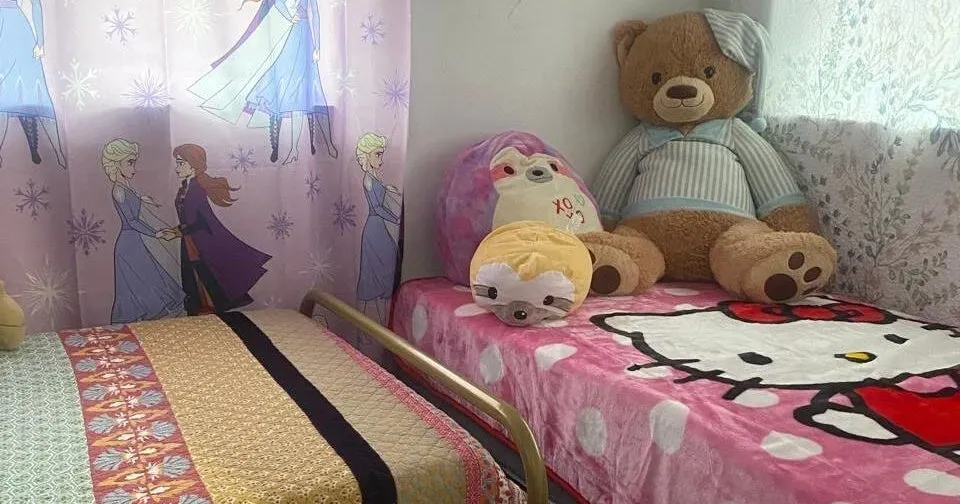
The family's preparations for the reunion were evident, with the little girl's bedroom decorated with Hello Kitty bedding and Frozen" curtains. However, immigration officers detained the mother at an appointment without a warrant, leaving the child feeling lost and confused.
According to Alexa Sendukas, managing attorney with the Galveston-Houston Immigrant Representation Project, the child is struggling to understand why her mom was detained instead of being reunited with her. The girl has received counseling at the Houston-area shelter where she is staying.
The case highlights the difficulties faced by migrant families in navigating the complex reunification process. While the Department of Homeland Security declined to comment on the specifics of this case, reports from the shelter confirm that the child has been receiving support services.
Carmen's conversations with her daughter reveal the emotional toll of prolonged shelter stays on migrant children. The child's questions about when she'll be released from the shelter reflect a growing sense of desperation.
The psychological impact is evident in the child's physical complaints and behavioral changes. Shah notes that kids are experiencing anxiety, depression, and stress disorders, leading to developmental regression and self-harm. Some exhibit unusual behaviors such as bedwetting, chest pains, or nighttime crying.
A teenage brother and sister from Venezuela shared their own experiences at a federal shelter in Texas, where they spent over a year. They described a rigid routine with repetitive academic lessons every month and limited freedom to leave the building.
Facts based on reporting originally published by CBS News Politics.
You may republish this story, in full or in part, if you credit News Central Site and link to it (licence CC BY 4.0). Photos are not included.