Data Center Development Becomes Key Issue in Midterm Elections
The outcome of lower-profile races may have a significant impact on the nation's economic trajectory due to state and local officials' sway over data center development.
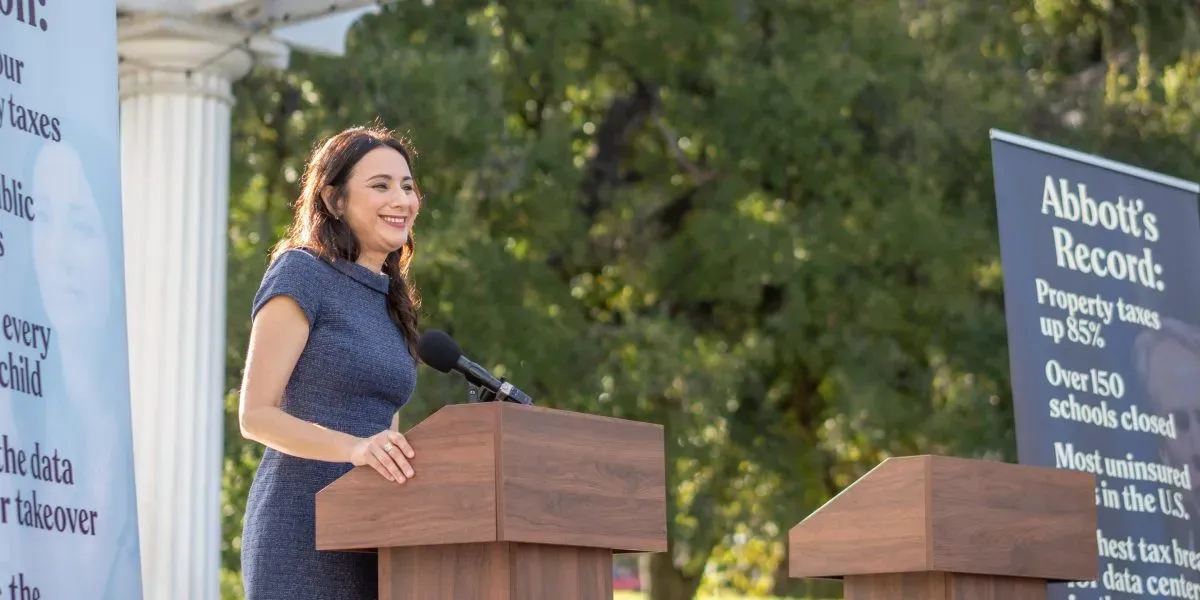
The construction of data centers has become a contentious issue in this year's midterm elections, with candidates for both the House and Senate weighing in on the topic.
However, state and local officials hold significant sway over data center development and energy infrastructure, making them crucial players in determining the future of the economy. As such, the outcome of lower-profile races may have a more profound impact on the nation's economic trajectory than the elections for federal offices.
Major tech companies, known as hyperscalers, are projected to spend upwards of $1 trillion by 2027 alone, with significant portions dedicated to artificial intelligence research and development. Analysts at JPMorgan estimate that AI-related investment was responsible for approximately one-fifth of GDP growth over the past year.
ING analysts forecast that AI will account for a third of economic growth in 2026, highlighting its increasingly prominent role in driving national economic output.
The outcome of this year's midterm elections may have significant implications for the US economy, particularly when it comes to state and local governance. According to some analysts, the direction of economic growth is more closely tied to state-level decision-making than national politics.
This dynamic was on full display in Virginia, where Amazon recently canceled plans to build data centers in Loudoun County after reaching an agreement with local officials amidst growing opposition from residents. The tech giant had bought property for the project in February for $427 million but ultimately decided not to proceed due to community backlash.
The decision is seen as a victory for local voices and highlights the challenges faced by companies seeking to build data centers in areas where there is significant public resistance. In contrast, Texas has emerged as another key hub for AI development, with Republican Governor Greg Abbott shifting from a strong supporter of data center projects to a more cautious stance amid his re-election bid.
As state-level politics continue to shape the future of data center construction, some economists are warning that local elections may pose a greater risk to this industry than national politics. With midterms just around the corner, companies and policymakers alike will be closely watching the outcome as it impacts their growth prospects and economic development strategies.
Regulations have already been relaxed under the current administration to facilitate data center construction, but any comprehensive legislation in Congress will be a slow process, according to industry experts.
Meanwhile, local officials pose an immediate threat through various means such as imposing moratoriums, conducting lengthy environmental reviews, and creating bottlenecks in connecting new data centers to the power grid.
The key midterm races that could impact data center development are taking place in states like Texas, the Carolinas, Ohio, Illinois, and Wisconsin, where local opposition to new data centers is a major concern.
If anti-data center sentiments prevail in these elections, it could shift the focus of the 2028 presidential election campaign towards regulating the industry, potentially creating a more hostile environment for developers.
Despite the potential regulatory hurdles, the economic impact of a moratorium on new data centers would be delayed by six to eight quarters, as most of their value comes from the computing equipment inside, which is typically purchased after construction has begun.
The economic impact of the AI boom is expected to continue supporting business investment over the next couple of years, despite any potential slowdown in spending. This prediction comes from analysts who believe that a moratorium on new data centers may actually be beneficial for the sector.
A recent note from Morgan Stanley Wealth Management highlights the solid growth and strong earnings still being experienced by AI companies, with the long-term investment cycle remaining intact. Additionally, factors such as ongoing power deficits, a shortage of skilled labor to build data centers, and political opposition to new data center construction may elongate the AI investment cycle, reducing the likelihood of a market correction.
Facts based on reporting originally published by Fortune.
You may republish this story, in full or in part, if you credit News Central Site and link to it (licence CC BY 4.0). Photos are not included.