Spirit Halloween Expands Under CEO Steven Silverstein
Spirit Halloween has expanded dramatically under CEO Steven Silverstein, from 130 stores to over 1,600 locations annually.
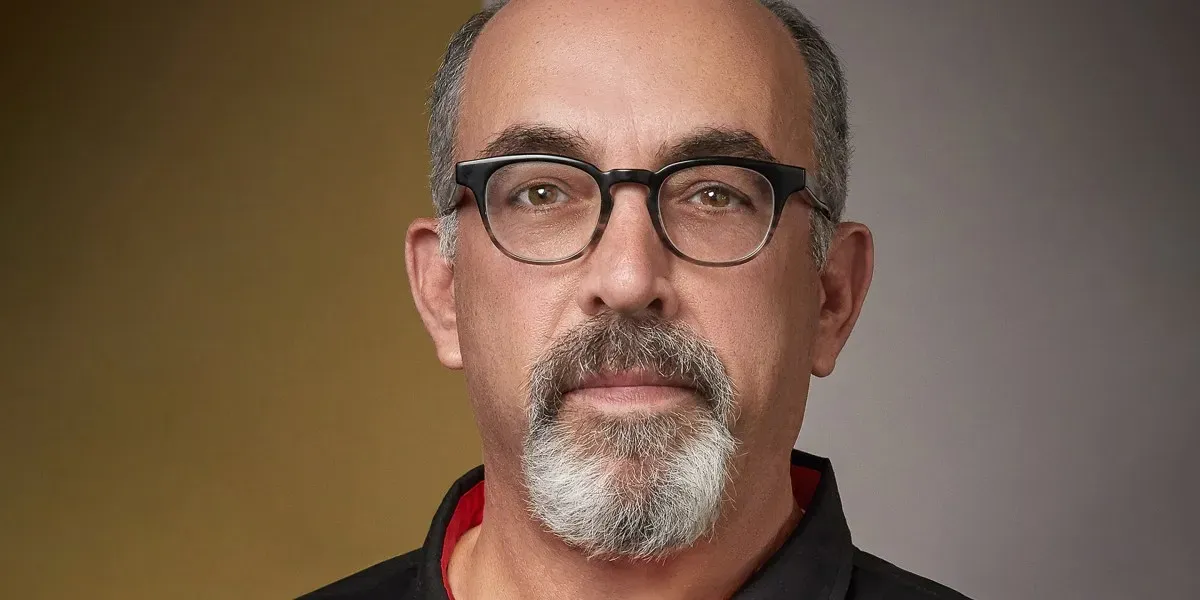
Spirit Halloween's CEO Steven Silverstein has been at the helm of the company since it had just 130 stores across the United States. Under his leadership, the chain has expanded dramatically, with over 1,600 locations now operating annually.
The temporary nature of Spirit Halloween's stores belies their constant activity. According to Silverstein, "There's nothing temporary about a temporary store." Behind the scenes, teams work tirelessly throughout the year to plan for next Halloween, sign new leases, and manage the logistics of shipping millions of costumes.
Silverstein joined Spencer's parent company in 2003, when Spirit was just beginning its rapid expansion. Today, Spencer's and Spirit together generate an estimated $1.9 billion annually, with Spirit's eight-to-ten week sales period dwarfing that of its parent company. The acquisition of Hot Topic, BoxLunch, and Her Universe has further boosted the company's presence, reaching over 3,000 stores across North America.
The growth of Spirit Halloween has not gone unnoticed, with Party City - once a major competitor - filing for bankruptcy for the second time in December 2024 and subsequently closing nearly 700 stores by February 2025. This leaves Spirit as the largest Halloween specialty chain in North America, with no significant rivals to challenge its dominance.
With Party City's departure from the market, consumers are turning to other retailers such as Walmart, Target, or Amazon for their Halloween needs - although many still prefer to visit a dedicated store like Spirit to catch a show or browse the latest costumes and accessories.
Spirit Halloween's stores were once humble affairs, lacking the elaborate displays that have become a hallmark of the chain today. However, under the leadership of CEO Edmond Silverstein, who joined the company in 2003, the stores began to transform.
Silverstein brought with him valuable experience from his previous roles at Bloomingdale's and Linens 'n Things, where he learned the importance of creating an immersive retail experience. He attributed this approach to his former boss at Bloomingdale's, Marvin Traub, who pioneered the concept of "retail theater.
The idea is simple yet effective: by crafting an engaging store environment, customers become more than just shoppers - they're participants in a unique experience. This is reflected in Spirit Halloween's stores, which now feature elaborate displays and themed decor.
At the time of Silverstein's arrival, Spirit had around 130 stores across the US. However, he envisioned something much larger: transforming the chain into a must-visit destination for Halloween enthusiasts. He wanted customers to say they were going to Spirit Halloween, not just any generic Halloween store.
A turning point came in 2005 when Silverstein stumbled upon an innovative store display at a Chicago location. A manager had created a pirate ship in the middle of the floor, complete with skeletons and special effects. The CEO was impressed by this creativity and saw an opportunity to roll out similar displays across all stores.
The key to Spirit Halloween's rapid expansion lies in its unique approach to retail space. According to CEO Ed Silverstein, the company seeks out vacant properties that can be transformed into immersive shopping experiences. This process begins as early as March and April each year, when Spirit's real estate team starts scouting for potential locations.
Spirit doesn't pay traditional market rent, instead opting for a lump sum payment for a space that would otherwise remain empty. This arrangement benefits both parties: the landlord receives a guaranteed revenue stream, while Spirit gets to occupy the property without incurring ongoing rental costs. Silverstein notes that this model also has a positive impact on other tenants within the shopping center.
Spirit's presence can be a boon for struggling malls and retail spaces, as it brings in foot traffic that might otherwise be absent. By occupying vacant storefronts, Spirit helps to revitalize underutilized properties and inject new life into local economies. This approach has allowed the company to establish itself as a go-to destination for seasonal shopping.
The company's ability to adapt and evolve is crucial to its success. Silverstein emphasizes the importance of constantly evaluating and refining Spirit's retail strategy. By doing so, the company can stay ahead of the curve and meet changing consumer demands. This flexibility has enabled Spirit to thrive in an increasingly competitive market.
Spirit's unique approach to retail space has also led to long-term partnerships with landlords and shopping centers. The company often returns to the same locations year after year, creating a sense of familiarity and consistency for customers. By striking a balance between innovative store design and practical business arrangements, Spirit Halloween has managed to carve out a significant niche in the seasonal retail market.
Spirit Halloween's expansion into former Party City buildings has proven to be a successful strategy, with around 100 stores now situated in these locations.
This approach is more than just a temporary arrangement, according to Spirit's CEO, who views the company as being permanently established in these markets.
To fill its leases, Spirit relies on a highly centralized and controlled supply chain. The company designs, develops, and sources approximately 75% to 80% of its merchandise from factories primarily located in Asia.
This means that every step from factory to store is managed by Spirit, ensuring consistency across all locations. Goods begin shipping in April, but the influx of stock cannot be overwhelming, so they are distributed through a network of four or five distribution centers and 63 third-party logistics sites.
These logistics hubs stage the goods for groups of stores before loading them onto trucks, creating what Silverstein describes as a web of activity" that brings all 1,600 seasonal stores to life.
The setup of a Spirit Halloween store is a complex operation that requires meticulous planning to ensure it can be executed on time by seasonal staff. According to CEO Silverstein, much of the behind-the-scenes work involves simplifying the process so that workers feel confident in their ability to run the store.
Spirit's rise to fame has made it a cultural phenomenon, with the company becoming synonymous with Halloween. This widespread recognition has led to its inclusion in popular culture, such as memes featuring fake Spirit Halloween costume packages of public figures. The company has even been referenced in a skit on Saturday Night Live during its 50th anniversary season.
The attention from SNL was seen as a badge of honor by Silverstein, who views it as the highest form of flattery. In response to the show's skit, Spirit created a costume based on the comedy program. The company has also contributed to meme packages with a costume featuring its own store.
Spirit's marketing strategy is unconventional, relying heavily on its storefronts and online presence rather than traditional advertising methods. The company partners with popular brands such as Dunkin', Butterfinger, and Chipotle to create limited-edition costumes. This approach allows Spirit to reach a wider audience without incurring significant advertising costs.
One of the most notable partnerships was with Goodyear, which resulted in a blimp costume being sold by Spirit this year. The grand opening of a store featuring such a costume can be quite an event, as evidenced by a man jumping out of a blimp into the parking lot.
The company's acquisition of Hot Topic is its latest move, with Spirit agreeing to purchase the retailer along with BoxLunch and Her Universe from Sycamore Partners in August. The deal was completed in early September, but the terms were not disclosed.
The temporary store phenomenon has become a staple of modern retail, but few companies have mastered it as well as Spirit Halloween. Under its CEO's leadership, the company expanded from just 130 stores to an impressive 1,550 locations in a relatively short period.
Spirit Halloween's rapid growth can be attributed in part to its willingness to take over underutilized spaces, including those previously occupied by struggling retailers like Hot Topic and other mall staples. The temporary store model has proven particularly effective for Spirit Halloween, allowing it to capitalize on seasonal demand without the long-term commitments associated with traditional retail leases.
As a result of this strategy, Spirit Halloween's presence in malls across the country is now more pronounced than ever, with its stores often situated near former Hot Topic locations that have been converted or repurposed. This shift has had a significant impact on the retail landscape, further solidifying Spirit Halloween's position as a major player in the seasonal retail market.
Facts based on reporting originally published by Fortune.
You may republish this story, in full or in part, if you credit News Central Site and link to it (licence CC BY 4.0). Photos are not included.