College Football Power Dynamics Undergoing Significant Shift
A recent series of upsets has highlighted the instability of the current hierarchy in college football rankings, with unranked teams defeating ranked opponents for the third consecutive week.

College football's traditional power dynamics are undergoing a significant shift. For years, a select few programs dominated recruiting and occupied the top spots in rankings, while others struggled to keep up. However, this hierarchy is becoming increasingly unstable.
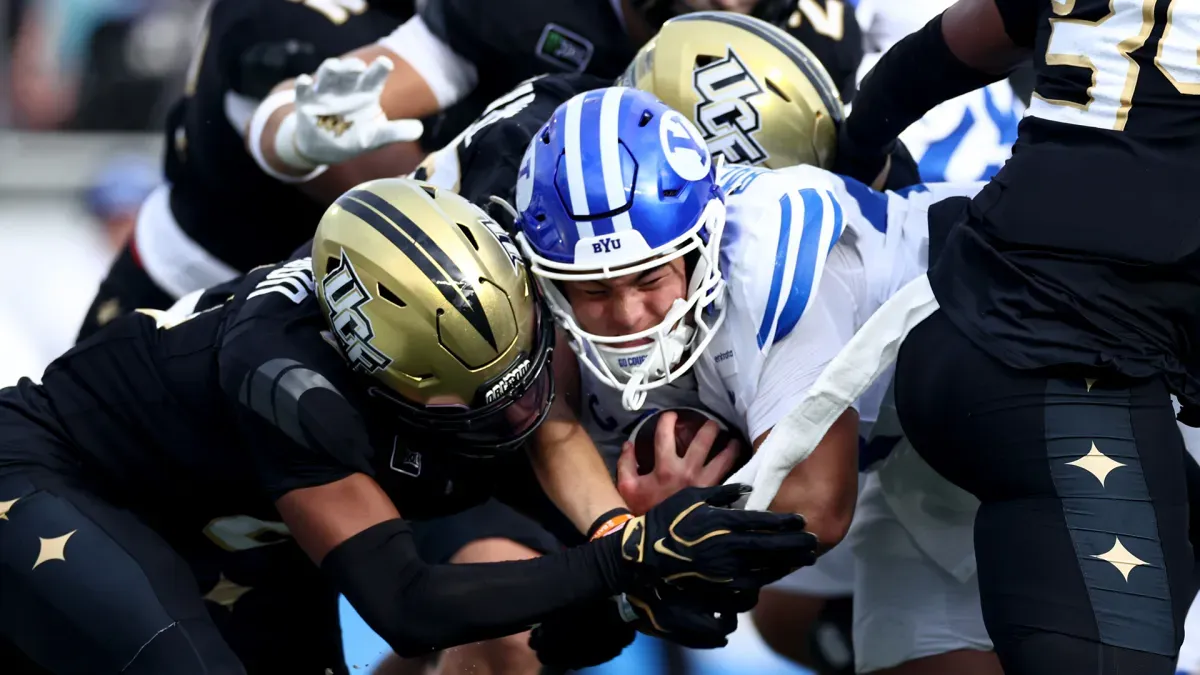
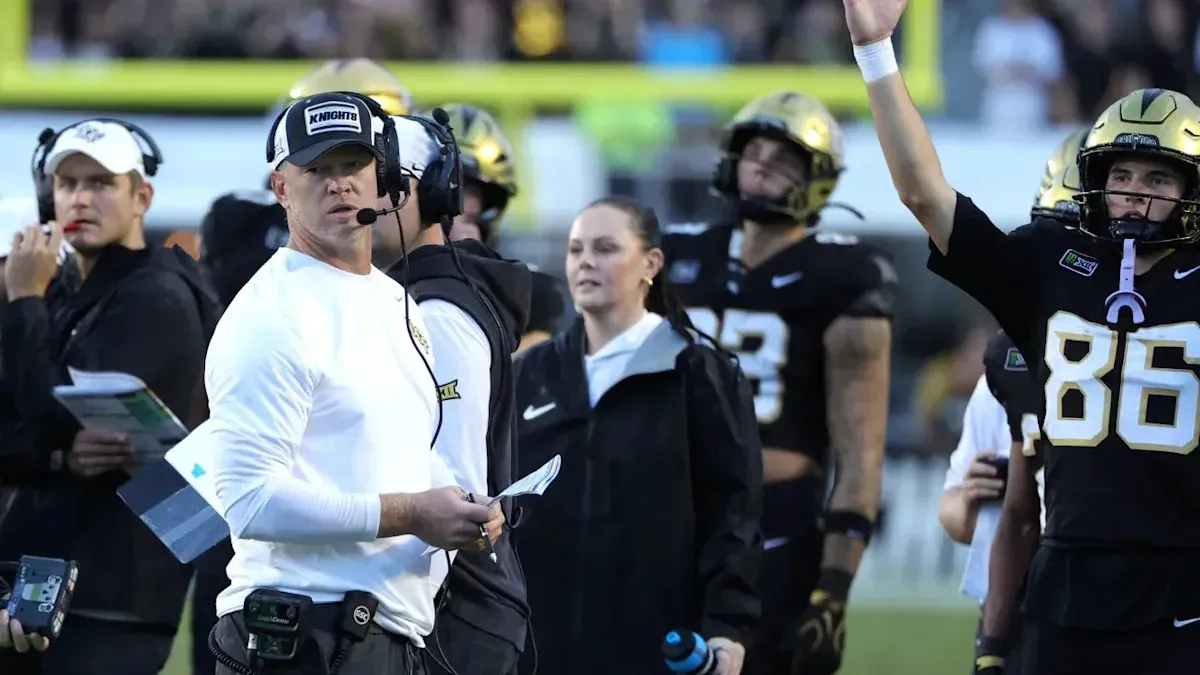
Last weekend provided a striking illustration of this trend as the second-ranked BYU Cougars suffered a double-overtime defeat at the hands of the UCF Knights, while the sixth-ranked Texas Tech Red Raiders were upset by the Cincinnati Bearcats. Moreover, three unranked teams managed to triumph over ranked opponents, marking the third consecutive week in which a top-two team has fallen to an unranked opponent.
Upsets have always been a part of college football, but the context in which they occur is evolving. Players now enjoy greater freedom to switch between programs, and financial opportunities are altering how schools compete for talent. This shift has created a more fluid landscape where established advantages still hold sway, but maintaining them proves more challenging than ever before.
The transfer portal and Name, Image, and Likeness (NIL) opportunities have given players more options and programs new ways to reconfigure their rosters. As a result, the traditional relationships between college athletes and their schools are being redefined, with players now able to capitalize on their market value in ways that were previously unimaginable.
The transfer portal is changing the way quarterbacks are developed in college football. Instead of investing years in a backup quarterback, teams are now looking for experienced starters from other schools. This shift has created new opportunities for players who struggle to find playing time with their current team, allowing them to seek better prospects elsewhere.
Coaches can also fill roster holes more quickly by pursuing transfers rather than waiting for incoming recruiting classes to develop. This flexibility is particularly beneficial for programs that are struggling to compete at the top level. By leveraging the transfer portal, teams can accelerate their rebuild and create a more competitive squad.
The traditional powerhouses in college football still have significant advantages, including deeper pockets to invest in better facilities and hire top coaches. These resources allow them to attract the best players from around the country, further solidifying their dominance. However, the transfer portal has given other programs more ways to close the gap and compete with the elite teams.
The unpredictability of college football is often attributed to the new system, but it's a complex issue influenced by many factors beyond just NIL and the transfer portal. Injuries, coaching decisions, player performance, and ordinary week-to-week variance all contribute to the chaos on Saturdays. One upset or unexpected result doesn't necessarily prove that the sport has achieved greater competitive balance.
The transfer portal has given programs more tools to address weaknesses and players more freedom to find situations where they can contribute. While the traditional powers still hold an advantage, the new system is creating a more dynamic and unpredictable landscape in college football.
The shift in college football's recruiting landscape has made it more challenging for established programs to maintain their dominance. This is because new rules allow top high school players to enter the NCAA early, effectively shortening the typical four-year recruitment cycle.
As a result, teams that were once unable to compete with powerhouses now have a more realistic chance of challenging them. However, this doesn't mean every program will suddenly be on an equal footing. Instead, it creates a more dynamic and unpredictable environment where upsets can occur at any time.
For fans who don't usually follow the traditional championship contenders, the new system offers a fresh and exciting experience. With teams able to improve their rosters in shorter periods, disappointing seasons no longer necessarily mean years of rebuilding. This change also applies pressure on established programs, making them less complacent.
The sport will always have its haves and have-nots, but the gap between them may be more susceptible to change than before. For fans, this uncertainty could be a welcome development, as it adds an extra layer of excitement and unpredictability to the game.
Facts based on reporting originally published by Yahoo Sports.
You may republish this story, in full or in part, if you credit News Central Site and link to it (licence CC BY 4.0). Photos are not included.