Budget Deficit Hits Iowa Amid Trade Disputes
Iowa's agricultural industry is struggling with high costs and economic strain due to ongoing trade disputes that have severely impacted farmers.
Iowa is facing a daunting situation as it struggles to manage its finances amidst a budget deficit, high costs, and economic strain caused by ongoing trade disputes that have severely impacted farmers.
The state's agricultural industry, one of the country's top producers of corn, soybeans, and hogs, has long been a source of pride for Iowans. However, it has also contributed to two pressing issues that have come under intense scrutiny this year: water quality and cancer rates. These problems have been simmering for decades but were once considered too sensitive to tackle head-on, particularly when it came to pointing fingers at the powerful agricultural industry.
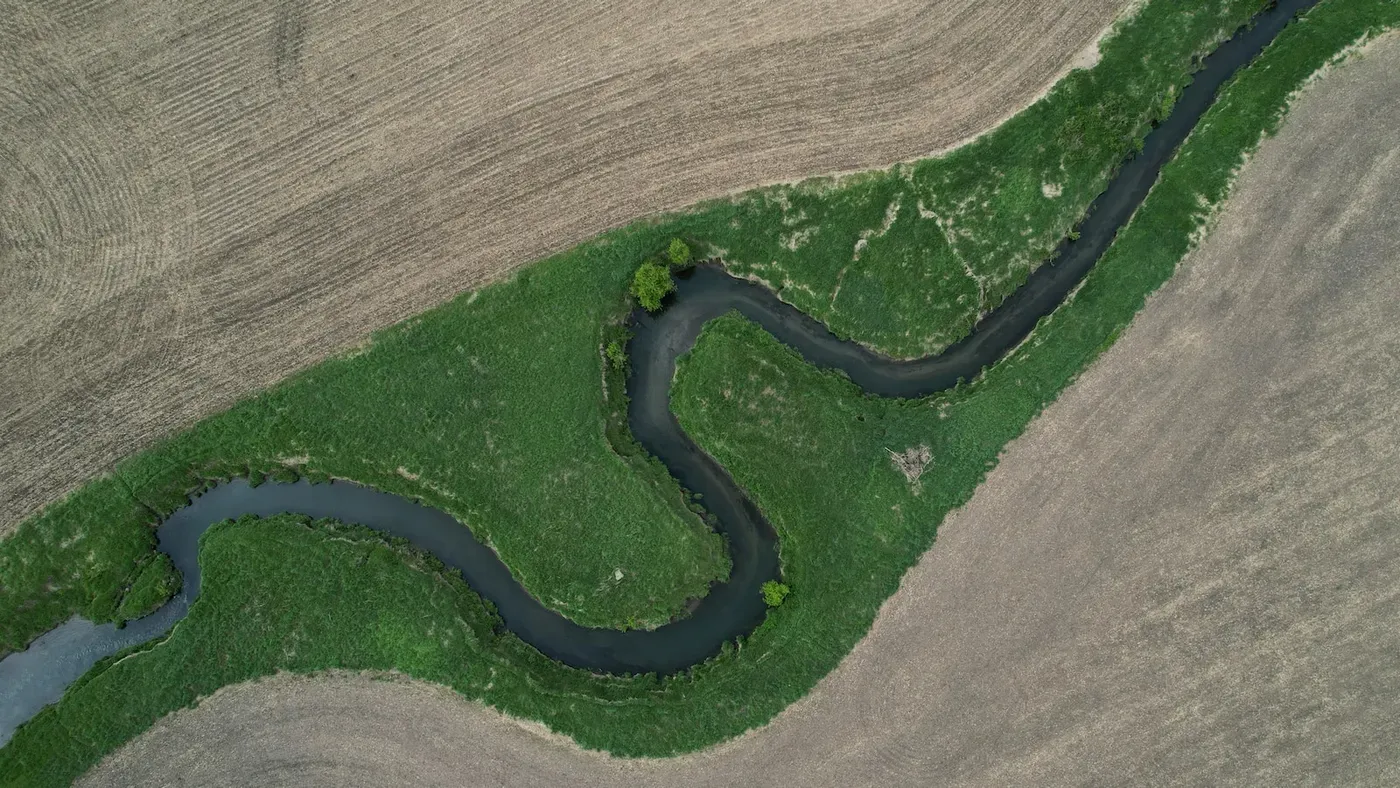
The use of chemical fertilizers and animal waste by farmers has led to the presence of nitrates and phosphorus in Iowa's rivers, which can be washed away by rain or snowmelt. This has caused tension between urban centers that rely on clean water for drinking and mostly conservative rural areas where farming is a way of life.
Critics argue that the lack of effective regulations forces downstream Iowans to bear the costs of pollution, while farmers are increasingly adopting practices aimed at preventing runoff. However, more needs to be done to address this complex issue.
The spotlight on Iowa's water quality and cancer rates has grown in recent years, particularly after back-to-back restrictions on water use in the Des Moines area and a growing grassroots movement focused on promoting public health.
Iowa's alarming cancer rates have raised concerns about the state's water quality, with specific diagnoses like prostate, breast, and lung cancer increasing faster than the national average. The situation is not limited to rural areas, as urban parts of the state are also experiencing a surge in new cancer cases.
New research from the University of Iowa suggests that demographic and behavioral factors, such as smoking and binge drinking, contribute to the higher cancer rates in Iowa. However, researchers have yet to assess environmental factors like nitrate levels in water sources.
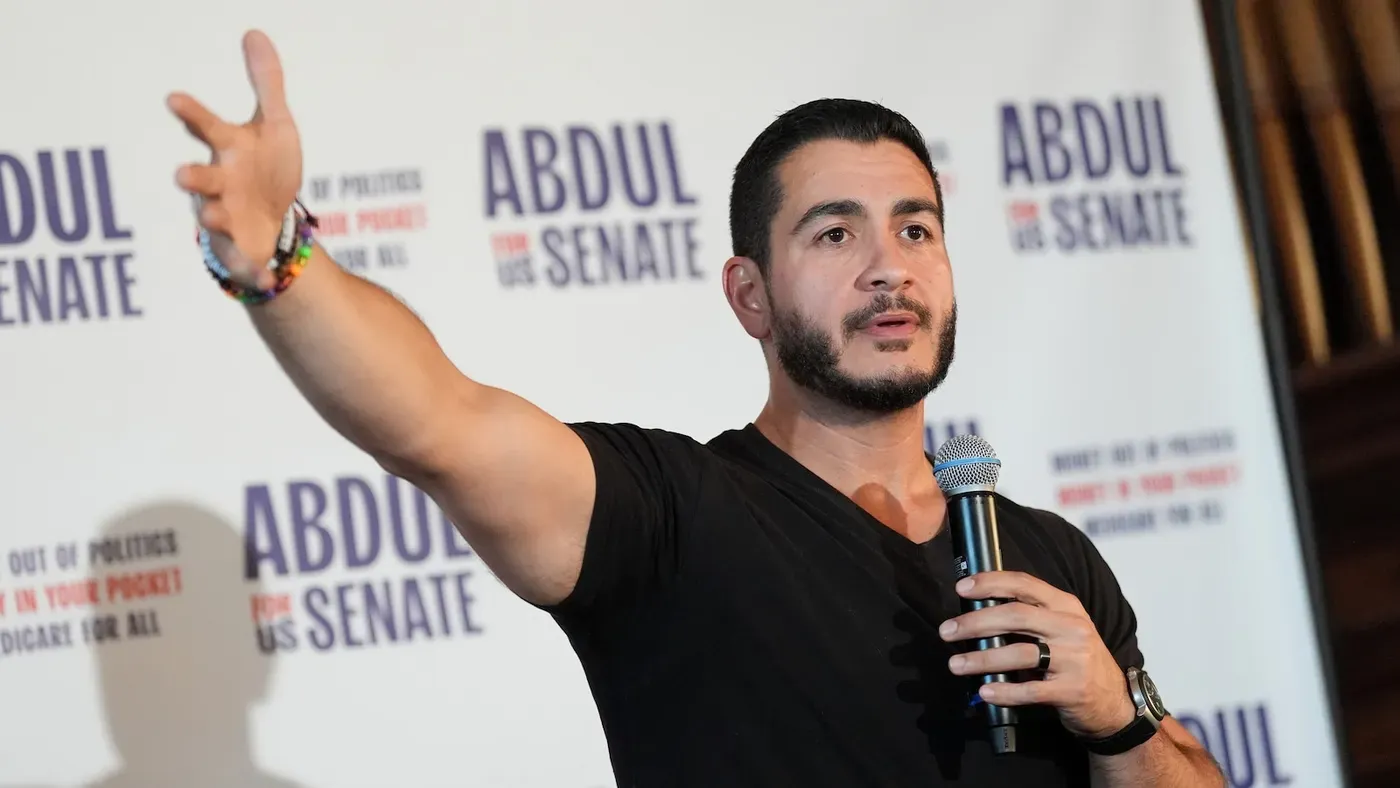
Cancer patients and advocates are increasingly pointing to water quality as a major concern. Democrat Josh Turek, running for U.S. Senate, has emphasized the importance of clean tap water, stating that every Iowan deserves access to safe drinking water when they turn on their faucet.
Some studies have found links between nitrates in drinking water and certain diseases, but this area remains contentious. The U.S. Environmental Protection Agency is reviewing its assessment of nitrate risks, which was initiated in 2017 but has been stalled under different administrations.
Republican congresswoman Ashley Hinson has called for investments in infrastructure, water quality monitoring, and conservation programs to address Iowa's water problems. She also notes that tap water meets federal regulations, which may provide some reassurance to Iowans concerned about their drinking water safety.
The debate over Iowa's water quality has been ongoing for years, with various stakeholders acknowledging its complexity and non-partisan nature.
Iowa's Republican leaders had previously seen a breakthrough in their favor when a lawsuit against counties upstream was dismissed, allowing them to avoid paying millions of dollars per year for nitrate removal from the Des Moines area's water utility.
However, the state has continued to invest heavily in addressing the issue, with nearly $100 million annually allocated towards its nutrient reduction strategy over recent years. This investment has been focused on reducing demand on nitrate removal facilities and implementing conservation initiatives.
In a significant move, Republican Governor Kim Reynolds and lawmakers committed an additional $320 million for water infrastructure projects, including millions to Central Iowa Water Works to upgrade equipment and improve efficiency.
As criticism of the state's progress continues, candidates vying for office are emphasizing the need for better prioritization of the water problem.
Iowa's water quality crisis is taking center stage in midterm campaigns, with candidates emphasizing the need for better prioritization of the problem.
One Republican candidate, Lahn, has taken a unique stance on the issue by directly linking polluted water and agrochemicals to Iowa's cancer crisis. This approach diverges from his peers who have been more cautious in their rhetoric. In an agriculture-focused town hall meeting in northeast Iowa, one attendee expressed concern about farmers being unfairly blamed for the state's high cancer rates.
The attendee shared a personal anecdote about her daughter questioning whether it was safe to drink the water in Des Moines. Lahn acknowledged that agrochemicals are essential tools for farmers but emphasized the need to address the water quality issue. He stated that banning products is not the goal, but rather finding ways to mitigate the problem.
Federal regulations set a maximum nitrate level of 10 milligrams per liter for drinking water to prevent blue baby syndrome. However, recent scientific studies suggest a possible link between lower nitrate levels and certain cancers. Lahn has taken action by testing the nitrate levels in his own well water and creek, finding them both above the federal limit.
Central Iowa Water Works' nitrate removal treatment ran for 193 consecutive days earlier this year, with treated water nitrate levels ranging from eight to nine milligrams per liter during the peak summer months. This highlights the challenges faced by communities dealing with high nitrate levels in their drinking water supplies.
As a candidate for Iowa's secretary of agriculture, Democrat Chris Jones has made it clear that he is deeply troubled by the state's water quality issues. In fact, Jones has said that he was motivated to run for office in part because of his concerns about clean water. He believes that Iowans have lost faith in their drinking water due to high nitrate levels in rivers and streams.
Jones' concerns are shared by many others in Iowa, including those who have been affected personally by the state's water quality problems. At a recent meeting with cancer survivors and parents of children with cancer, Jones heard firsthand about the devastating impact that contaminated water can have on families. He has said that he is committed to addressing these issues as secretary of agriculture.
Jones' opponent in the election, Republican Mike Naig, has taken a different approach to addressing Iowa's water quality problems. In a recent debate, Naig argued that conservation solutions should not be mandatory for farmers, citing concerns about profit loss and the fact that some farmers do not own the land they farm. Jones disagrees with this approach, believing that mandatory conservation practices are necessary to protect Iowa's water resources.
The disagreement between Jones and Naig highlights a key challenge facing Iowa as it seeks to address its water quality problems. The state's agricultural industry has long resisted calls for mandatory conservation solutions, citing concerns about the impact on farmers' bottom lines. However, with high nitrate levels in rivers and streams continuing to pose a risk to public health, some are arguing that more drastic action is needed.
As Iowa continues to grapple with its water quality problems, it remains to be seen whether Jones or Naig will prevail in the election for secretary of agriculture. The outcome could have significant implications for the state's approach to conservation and environmental protection.
The Iowa Department of Agriculture has been working under Governor Kim Reynolds' leadership to improve water quality in the state. According to Bill Naig, who previously worked for Monsanto, records have been set by his department during this time.
Naig emphasized that conservation efforts are being scaled up to accelerate progress towards better water quality and lower cancer rates. He acknowledged the concern over these issues on the campaign trail but stressed the need for a long-term approach.
Facts based on reporting originally published by ABC News Politics.
You may republish this story, in full or in part, if you credit News Central Site and link to it (licence CC BY 4.0). Photos are not included.