Brian K. Vaughan and Cliff Chiang's New Comic Book Series Announced
The new series, titled Roam, is set to be released in February next year and will be co-created by comic book writer Brian K. Vaughan and artist Cliff Chiang.
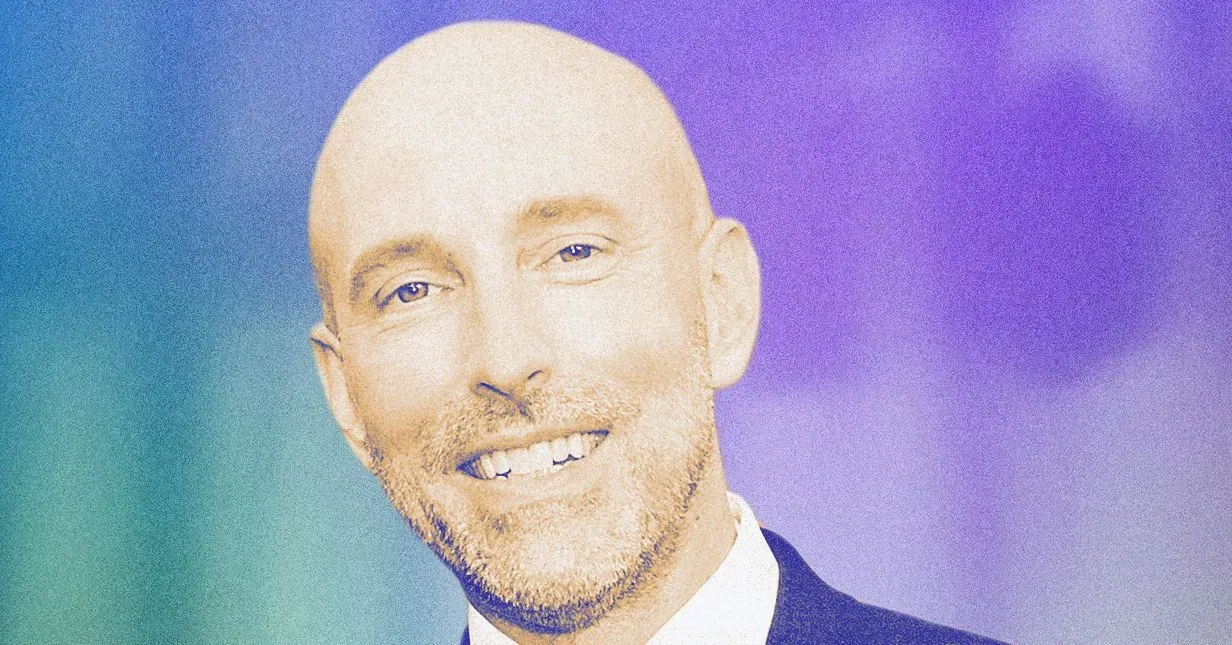
Renowned comic book writer Brian K. Vaughan has a new project in the works, but it's not related to his involvement in the upcoming third installment of Denis Villeneuve's Dune franchise. Instead, Vaughan is set to collaborate with Cliff Chiang on a new superhero sci-fi series called Roam.
Vaughan was in New York City for Comic Con, where he and Chiang announced their latest endeavor during a panel for their previous project, the Amazon Prime Video series Paper Girls. The duo's enthusiasm for their upcoming collaboration was evident as they revealed that Roam will hit shelves in February of next year.
Vaughan's career has been marked by numerous critically acclaimed titles, including Saga, Y: The Last Man, and Marvel's Runaways. His experience in the industry spans decades, with a notable stint as a writer on the popular TV show Lost and creator of CBS's Under the Dome adaptation.
The impetus for Roam was Vaughan's desire to work with Chiang again, leading them to bypass initial ideas of a short story or one-shot and instead opt for a full-fledged series.
Vaughan's enthusiasm for comics remains unwavering despite his success in other fields. He acknowledges that some people might view him as having "sold out by pursuing projects outside of comic books. However, he is driven to create something new and unique with Roam, a forthcoming series co-created with Cliff Chiang.
Roam is set in a distant future where everyone gets to be a superhero during their youth, but the details of this concept are being carefully kept under wraps. Vaughan mentions that he was similarly intrigued by The Matrix when it first came out, not knowing what to expect from its complex storyline. He wants Roam to have a similar effect on readers.
Vaughan's extensive experience in comic book writing spans over three decades, with his career beginning as a teenager. Throughout the years, he has contributed to various notable franchises such as Spider-Man and Batman. His previous work, Ex Machina, was a sci-fi political comic that deconstructed traditional superhero narratives, but Roam marks a departure from this style.
Vaughan expresses concern about the impact of AI on comics, film, and television, describing it as terrifying". He doesn't elaborate further on his worries or how they might relate to his current projects.
The entertainment industry is undergoing significant changes, with certain jobs becoming increasingly obsolete. This includes previsualization and storyboard artists, whose roles are being phased out in favor of technology-driven solutions.
As a seasoned professional, he has been fortunate enough to be grandfathered into the industry, allowing him to continue working on creative projects without having to adapt to new technologies immediately.
Despite this reprieve, he remains aware of the long-term implications of automation and artificial intelligence on the entertainment business. He fears that the demand for bespoke human-made stories will eventually give way to more efficient and cost-effective AI-generated content.
His concerns are not unfounded, as many people, including his own teenagers, are increasingly wary of relying on technology for creative pursuits. They view AI with skepticism, seeing it as a potential threat to human ingenuity and originality.
However, he acknowledges that the use of AI in storytelling is becoming more prevalent, even in projects like Roam, where it plays a significant role. This has sparked an internal debate within him about how to approach this issue in his own work.
As Denis Villeneuve's adaptation of Frank Herbert's novel continues to captivate audiences worldwide, it seems that the director has found an unexpected ally in his creative process. According to insiders, Frank Herbert is actually the true co-writer behind this ambitious project.
The sheer scale and ambition of the movie are undeniable, with a star-studded cast and crew bringing the intricate world of Dune to life on the big screen. Villeneuve's vision has been widely praised, with many considering it one of the standout productions in recent memory.
As someone who has had a front-row seat to the making of this epic film, Brian K. Vaughan is effusive in his praise for Denis Villeneuve and his team. In fact, he goes so far as to say that Villeneuve is not only an incredibly talented director but also a genuinely warm and decent human being.
Vaughan's own involvement with the project began when he was working at Legendary, the media company that owns the rights to Dune. He was invited to see an early cut of the film, which left him in awe of Villeneuve's vision.
The world of storytelling and adaptation is constantly evolving. The pace of change can be overwhelming, making it difficult to predict what will come next. However, one thing is clear: audiences are craving something new and fresh.
This hunger for originality has been evident in the success of recent trends like Backrooms and Obsession. Younger generations are hungry for stories that resonate with them, not just rehashed versions of their parents' favorite tales. It's a shift away from nostalgia-driven content and towards innovative storytelling.
Adapting one's own work can be a daunting task, according to some industry experts. As Mr. Price noted, it's like trying to give oneself a root canal - even if you have the skills, it may not be the best idea. This perspective highlights the importance of stepping back and letting others bring new perspectives to the table.
This desire for change is what drew Brian K. Vaughan to Roam, which offered him the opportunity to break new ground in his storytelling. By adapting other people's work or having others adapt his own, he can experience the thrill of watching a story come alive from a fresh perspective.
As a co-writer on the third installment of the Dune series, Brian K. Vaughan has gained valuable experience in adapting his work for new audiences. This process allows him to witness how his story evolves through different perspectives.
Vaughan's approach to adaptation is centered around making each project unique and engaging, rather than strictly adhering to the original material. He believes that the success of a story relies more on its quality than its faithfulness to the source. This mindset enables him to collaborate with other creatives and push boundaries in storytelling.
Vaughan's extensive experience as a writer for various mediums has provided him with a deep understanding of what works well on screen. His ability to translate written content into cinematic experiences is unmatched, making his collaborations highly sought after by industry professionals.
Facts based on reporting originally published by Wired.
You may republish this story, in full or in part, if you credit News Central Site and link to it (licence CC BY 4.0). Photos are not included.