Bread Makers' Gluten-Free Settings Compared
A bread maker's effectiveness in producing gluten-free loaves depends on its specialized settings, which can vary significantly from traditional bread-making cycles.
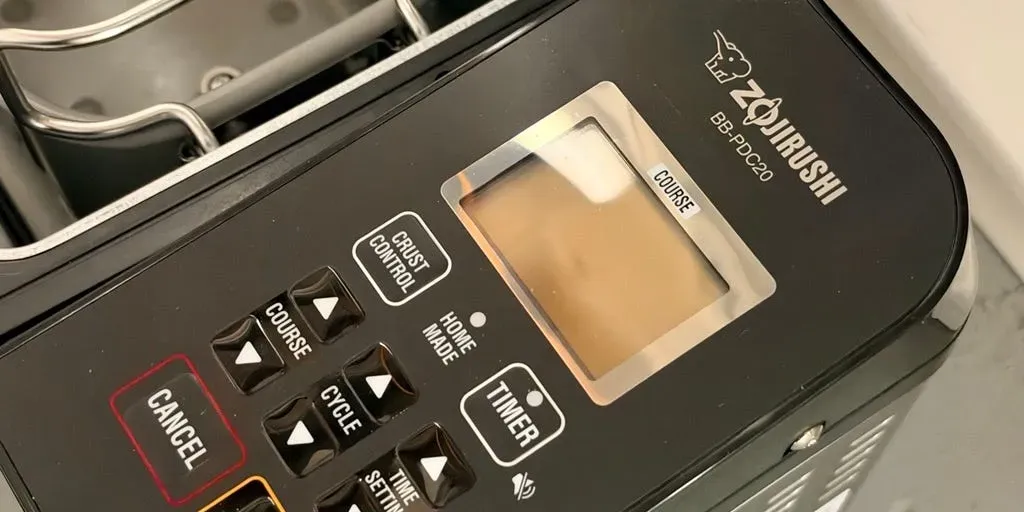
Gluten-free bread makers have become increasingly popular in recent years as consumers look for convenient ways to bake gluten-free loaves at home.
As a contributing product analyst and former professional baker who followed a gluten-free diet for over two years, I was interested in testing the effectiveness of these machines' specialized settings.
The key difference between regular and gluten-free bread is the absence of wheat, barley, rye, and other grains that contain the protein gluten.
Gluten-free bread can be made using alternative flours such as almond flour, rice flour, potato starch, or a combination of these ingredients.
These flours often require additional ingredients to provide structure and elasticity, which is typically achieved through eggs, xanthan gum, psyllium husk, or other substitutes.
The gluten-free cycle on a bread maker is often limited to a single bulk rise before baking, unlike traditional bread settings that allow for two separate cycles to fully develop gluten and create a soft crumb and golden crust.
In contrast, the white bread setting on most machines mixes, kneads, proofs, and then bakes the dough in a preset cycle, giving yeast time to ferment and the dough time to rise before the baking process begins. This extended proofing time allows for more extensive gluten development, resulting in a better texture and appearance.
The Zojirushi Home Bakery Virtuoso Plus Bread Maker's gluten-free course takes significantly less time than its white bread counterpart, clocking in at 2 hours and 25 minutes compared to the 3 hours and 25 minutes required for traditional bread. This reduced proofing time is due to the fact that gluten-free dough does not require as much time to develop, allowing for a quicker baking process.
A dedicated gluten-free setting is a standard feature in many modern bread makers, including those tested by our lab. This specialized setting is designed to accommodate the unique properties of gluten-free flours and ensure optimal results.
The varying absorption rates of different flour blends pose a significant challenge when it comes to gluten-free baking. A recipe that yields excellent results with one blend may not perform as well with another, making it essential to tailor recipes to specific flour types. To accurately assess the bread maker's performance, each loaf was allowed to cool completely before being sliced and evaluated.
In comparison tests between the gluten-free setting and the standard white bread setting, noticeable differences emerged. While the gluten-free loaves exhibited evenly golden-brown sides and a lighter-colored domed top, they tended to be shorter and narrower than their counterparts baked on the white bread setting.
The gluten-free settings on some bread makers may not be as effective as expected. To test this, I attempted to make gluten-free loaves using different recipes and ingredients. The results were mixed, but one recipe stood out for its poor performance.
A gluten-free flour blend proved to be the culprit behind a dense, distorted loaf that failed to rise properly. In contrast, a recipe that called for individual ingredients like brown rice flour, potato starch, and xanthan gum produced similarly disappointing results. Both attempts yielded dry, crumbly, and extremely dense bread.
The latter recipe's texture was likened to coffee cake by those who saw it after being made in the lab. This comparison highlighted the significant difference between gluten-free bread and traditional loaves. The use of individual ingredients may not be enough to compensate for the absence of gluten in these recipes.
A recipe from King Arthur Baking, specifically designed for gluten-free sandwich bread, was tried next.
The recipe from King Arthur Baking required eggs for added lift and softened butter to enhance richness and flavor in the gluten-free bread dough.
Despite this mix of ingredients, the resulting loaf had a crust that was nicely browned and an interior that was dense but slightly tender. This was a welcome change after the previous recipes tested.
It's worth noting that simply swapping out regular flour for its gluten-free counterpart is not enough to produce a successful yeasted bread in a bread maker.
Adjusting the bake time can be beneficial if you prefer or need longer baking times, particularly when it comes to achieving darker bread or ensuring full browning. A good starting point for this is 60 minutes.
Experimentation with gluten-free settings in a bread maker requires attention to various factors beyond simply swapping out regular flour for its gluten-free counterpart.
Facts based on reporting originally published by Good Housekeeping.
You may republish this story, in full or in part, if you credit News Central Site and link to it (licence CC BY 4.0). Photos are not included.