Halloween Trick-Or-Treating Resurgence After World War II
The tradition of trick-or-treating was severely impacted during World War II due to sugar rationing but eventually revived in the 1950s.
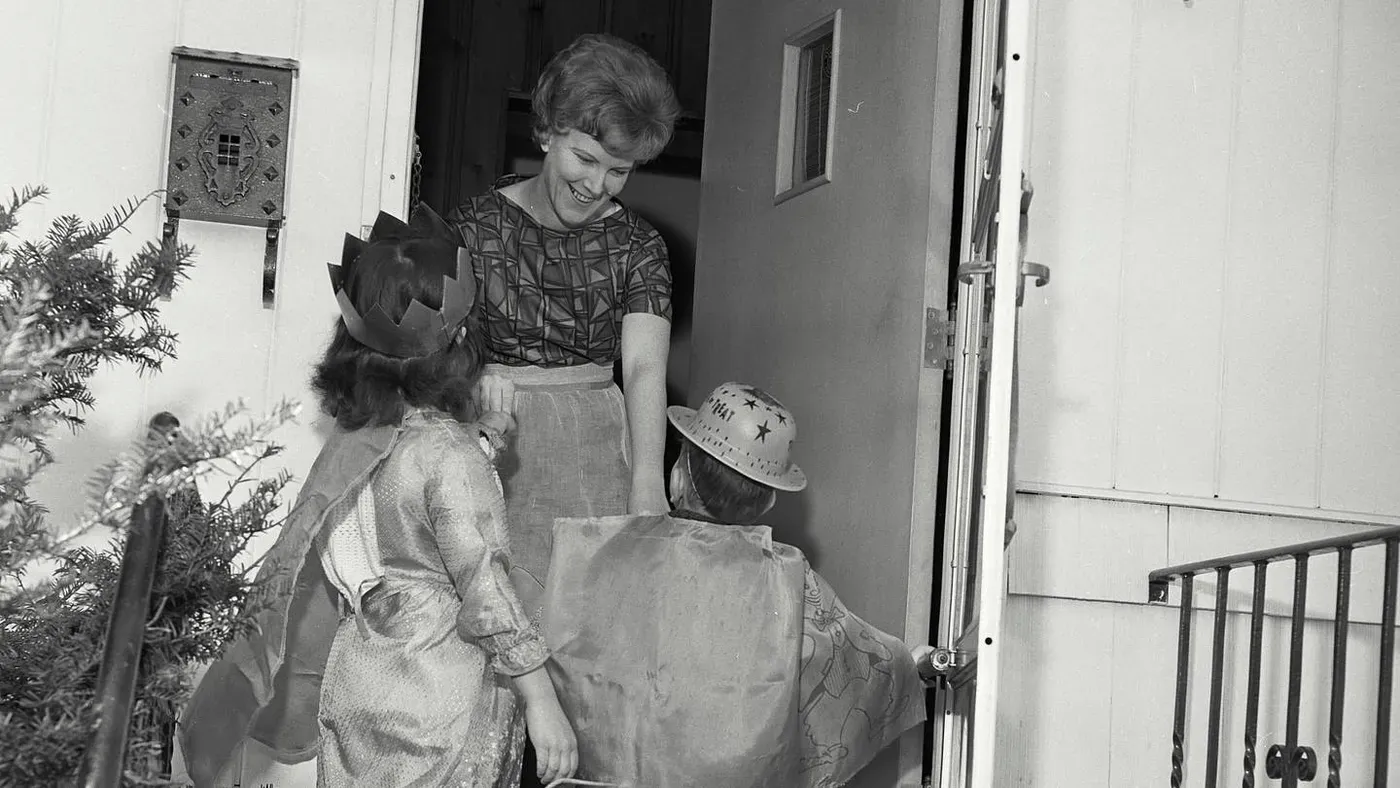
The tradition of trick-or-treating was severely impacted during World War II due to sugar rationing, forcing kids to abandon their door-to-door candy requests.
With the war effort dominating attention and resources, many traditional Halloween activities fell by the wayside, including trick-or-treating. However, it's surprising that the practice didn't die out entirely after this period of austerity.
Instead, a few key factors contributed to its resurgence in the 1950s. Cartoon characters began to popularize the idea of trick-or-treating, sparking renewed interest among children and paving the way for a revival of sorts.
As the decade progressed, trick-or-treating evolved into a more wholesome activity than it had been before the war. Pranks became less prominent, and the focus shifted towards collecting treats rather than playing tricks on neighbors.
The post-war period saw candy companies seize upon the renewed interest in Halloween, launching targeted advertising campaigns to capitalize on the trend. By doing so, they helped cement trick-or-treating's place as an integral part of American holiday culture.
In many ways, the 1950s marked a turning point for trick-or-treating, transforming it into the beloved ritual we know today, one that continues to bring joy and excitement to children (and adults alike) around the world each year.
In the 1930s, people began to transform Halloween celebrations into more subdued events by hosting small parties at home and introducing a milder form of trick-or-treating. This shift was in response to the holiday's darker past, which had been marked by vandalism, arson, and violence.
The idea of tricks evolved over time, with children now expected to perform a skill or talent, such as reciting a poem or singing a song, rather than playing pranks on their neighbors. This change aimed to make Halloween a more enjoyable experience for everyone involved.
Following World War II, trick-or-treating continued in the United States but did not yet have widespread appeal across the country. However, its popularity began to grow with the advent of popular culture.
In 1951, Charles M. Schulz's Peanuts comic strip featured Charlie Brown going door-to-door on Halloween, helping to introduce trick-or-treating to a wider audience. The next year, an animated short featuring Donald Duck and his nephews further solidified the tradition in American pop culture.
The increased exposure of trick-or-treating through these depictions contributed significantly to its widespread adoption across the United States, making it an integral part of Halloween celebrations nationwide.
As the post-war era took hold in the United States, trick-or-treating continued to be a part of Halloween celebrations, but it was not yet a widespread national tradition. However, this began to change with the introduction of popular culture depictions of the practice.
The 1950s saw the rise of commercialization on Halloween, with candy companies such as Mars and Brach's marketing individually wrapped treats specifically designed for handing out to trick-or-treaters. Store-bought costumes, masks, and treat bags also started making their way into homes across America.
Many families continued to rely on homemade decorations, treats, and costumes, opting for a more personalized approach to celebrating the holiday. This DIY ethos was reflected in the types of items that were being handed out to trick-or-treaters, with many neighborhoods offering homemade goodies such as cookies, brownies, and popcorn balls.
In contrast to today's more cautious attitudes towards trick-or-treating, kids in the 1950s came home with a wide range of treats, including candied apples and even money. Parents did not scrutinize their children's haul for safety concerns, instead taking some of the treats for themselves.
The relative freedom of this era meant that households were able to get creative with their trick-or-treating offerings, often relying on the skills of local neighborhood women to whip up tasty homemade goodies. This approach added a sense of community and camaraderie to the holiday, as families came together to celebrate Halloween in their own unique way.
In the 1950s, trick-or-treating was a more carefree experience for children, as parents didn't have to worry about razor blades in candy or other safety concerns that would later become prevalent.
During this time, neighborhood ladies would often spend hours preparing homemade treats such as cookies, brownies, popcorn balls, and candied apples. Some households even handed out cash, giving children a small windfall to take home.
Parents during the 1950s typically stayed at home while their kids went trick-or-treating on their own. Older siblings were expected to keep an eye on younger ones, but other than that, they had relatively free rein.
The lack of adult supervision was not unique to Halloween; children in general enjoyed a greater degree of independence during this era. However, the holiday provided an excuse for kids to stay out even later, with many parties taking place after trick-or-treating was over.
When children went door-to-door on Halloween night, they would often shout "Tricks or Treats!" rather than just "trick-or-treat. This phrase became synonymous with the activity and was used well into the late 1960s.
The term trick-or-treat eventually gained widespread use, but it's interesting to note that its origins are tied to a popular Peanuts special from 1966.
In the 1950s, children going door-to-door on Halloween did not use the term trick-or-treating and instead shouted a specific phrase when doors were opened. The phrase they used was Tricks or Treats, which was both the phrase itself and the name of the activity until at least the late 1960s.
The significance of this phrase is highlighted in a popular Peanuts special from 1966, where a character's reaction to being cheated out of 'tricks or treats' is depicted. This shows that the term Tricks or Treats" was widely recognized and used during this time period. The evolution of trick-or-treating into its modern form is an interesting aspect of Halloween history. Trick-or-treating as we know it today has become a beloved tradition around the world.
Facts based on reporting originally published by Mental Floss.
You may republish this story, in full or in part, if you credit News Central Site and link to it (licence CC BY 4.0). Photos are not included.