Arthur Miller's Humble Beginnings Influenced His Writing
Arthur Miller, renowned playwright behind works like "Death of a Salesman" and "The Crucible," had a humble beginning that few know about. Before becoming one of America's greatest writers,...
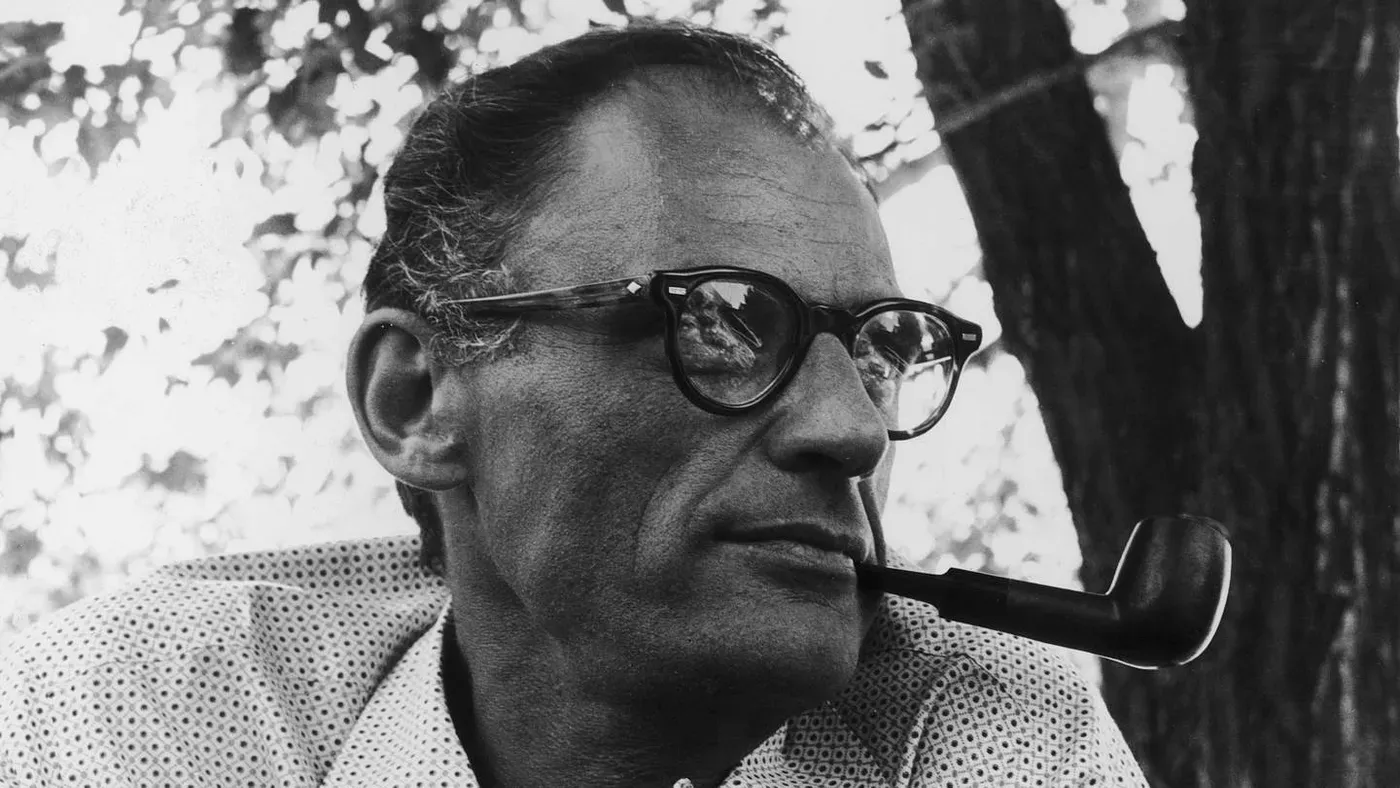
Arthur Miller, renowned playwright behind works like "Death of a Salesman" and "The Crucible," had a humble beginning that few know about. Before becoming one of America's greatest writers, Miller worked various odd jobs to support himself through college.
As a teenager, Miller struggled financially after his family's wealth was affected by the stock market crash of 1929. He found himself in the working class and took on different roles to achieve his academic goals. These early experiences would later influence his writing about everyday life.
Miller's background was far from typical for a writer of his caliber. Born into a wealthy family, he had access to resources that many people can only dream of. However, the stock market crash of 1929 changed everything, forcing him to adapt and find ways to make ends meet.
In addition to facing financial struggles, Miller also grappled with self-doubt as he pursued his writing career. The jobs he held before and after university not only provided necessary income but also offered valuable experience that would eventually inform his work.
The experience of working in various jobs before attending university played a significant role in shaping Arthur Miller's perspective on life and his future career as a playwright. His early exposure to the struggles of running a business was through his father's clothing manufacturing company, which unfortunately suffered greatly during the Great Depression.
As a result of this economic downturn, the Miller family lost most of their wealth and were unable to recover it. This harsh reality likely had a lasting impact on Arthur's understanding of financial stability and the importance of making one's own way in life. He soon realized that he needed to work diligently to cover his expenses, particularly when preparing for college.
During his high school years, Miller held multiple jobs to help support himself and eventually earn enough money for tuition. One such job was as a delivery boy for a local bakery, where he gained valuable experience interacting with customers and navigating the demands of working in a fast-paced environment. He also drove a delivery van for an auto-parts store, further developing his skills in customer service.
In addition to these roles, Miller worked in various other capacities before deciding on a particular path forward. After completing high school, he took on jobs such as being a radio singer and truck driver, as well as working at a box factory. While these experiences were diverse and helped him develop new skills, only one job enabled him to earn the $500 needed for college tuition.
Working as a clerk for an auto-parts warehouse proved to be a more stable and long-term opportunity for Miller. This position allowed him to save money while also gaining valuable work experience that would eventually inform his writing. His time in this role likely provided insight into the inner workings of various industries, including manufacturing and logistics.
The jobs he held before and after university not only provided necessary income but also offered valuable experience that would eventually inform his work as a playwright. Miller's diverse range of employment experiences undoubtedly influenced his perspective on life and contributed to the development of his writing style.
Miller's early academic pursuits indicated a strong interest in journalism, as he initially enrolled to study this field at the University of Michigan.
During his time at the university, Miller took on various responsibilities within the student newspaper, The Michigan Daily, where he worked as both reporter and editor. This experience likely honed his writing skills and provided valuable insight into the world of journalism.
As a student, Miller also began to explore his creative side by writing plays, with No Villain being his first notable effort. Winning an award for this work had a significant impact on Miller's career aspirations.
He reconsidered his initial plans to pursue journalism and instead shifted his focus towards English literature, which would eventually become the foundation of his future success as a playwright.
After completing his studies in 1938, Miller transitioned into a new role with the Federal Theater Project. This organization provided him with opportunities to write and perform radio plays.
The FTP's eventual shutdown due to government fears of Communism led Miller to seek alternative employment during World War II.
The economic downturn during the Great Depression had a profound impact on Miller's life and writing. He drew inspiration from its effects not just on the economy but also on the psyche of working-class individuals. This period saw him take up various odd jobs that would later influence his work as a playwright.
Miller's experiences in these roles played a significant role in shaping his writing style and perspective. His play A Memory of Two Mondays, released in 1955, was inspired by his time at an auto-parts warehouse during the Great Depression. The struggles of his coworkers to make ends meet during this period were a major theme in the play.
While working alongside his father on launching a new clothing factory, Miller witnessed firsthand the poor treatment of salesmen employed there. This experience had a lasting impact and influenced his writing, particularly in his short story In Memoriam. It would later evolve into one of his most iconic works, Death of a Salesman, released in 1949.
The struggles he observed during this period opened Miller's eyes to the lives of working-class individuals, far removed from the privileged world he was familiar with growing up. His diverse experiences and exposure to various sectors of society prepared him to craft some of America's most enduring and relatable tragedies.
Miller's time at the clothing factory exposed him to a darker side of business operations, one that would become a recurring theme in his work. The harsh realities he witnessed would eventually find their way into his writing, adding depth and authenticity to his stories.
Ultimately, Miller's diverse array of odd jobs proved to be a catalyst for his growth as a writer, allowing him to craft plays that captured the complexities and struggles of everyday people during a tumultuous period in American history.
Facts based on reporting originally published by Mental Floss.
You may republish this story, in full or in part, if you credit News Central Site and link to it (licence CC BY 4.0). Photos are not included.