Eruption of Mount Tambora Causes Global Cooling and Inspires Literary Masterpiece
A massive volcanic eruption in Indonesia led to a global cooling effect, resulting in an unusually gloomy summer that inspired Mary Shelley to write Frankenstein.
The year 1816 was marked by an extraordinary event that would have far-reaching consequences for the world's climate. The eruption of Indonesia's Mount Tambora shot massive particles into the atmosphere, creating a giant cloud that blocked out the sun.
This phenomenon had a profound impact on the following summer, which failed to materialize as expected. Instead of scorching heat and long days, the weather was eerily gloomy and chillier than usual. The unusual conditions seemed tailor-made for conjuring up dark and foreboding tales.
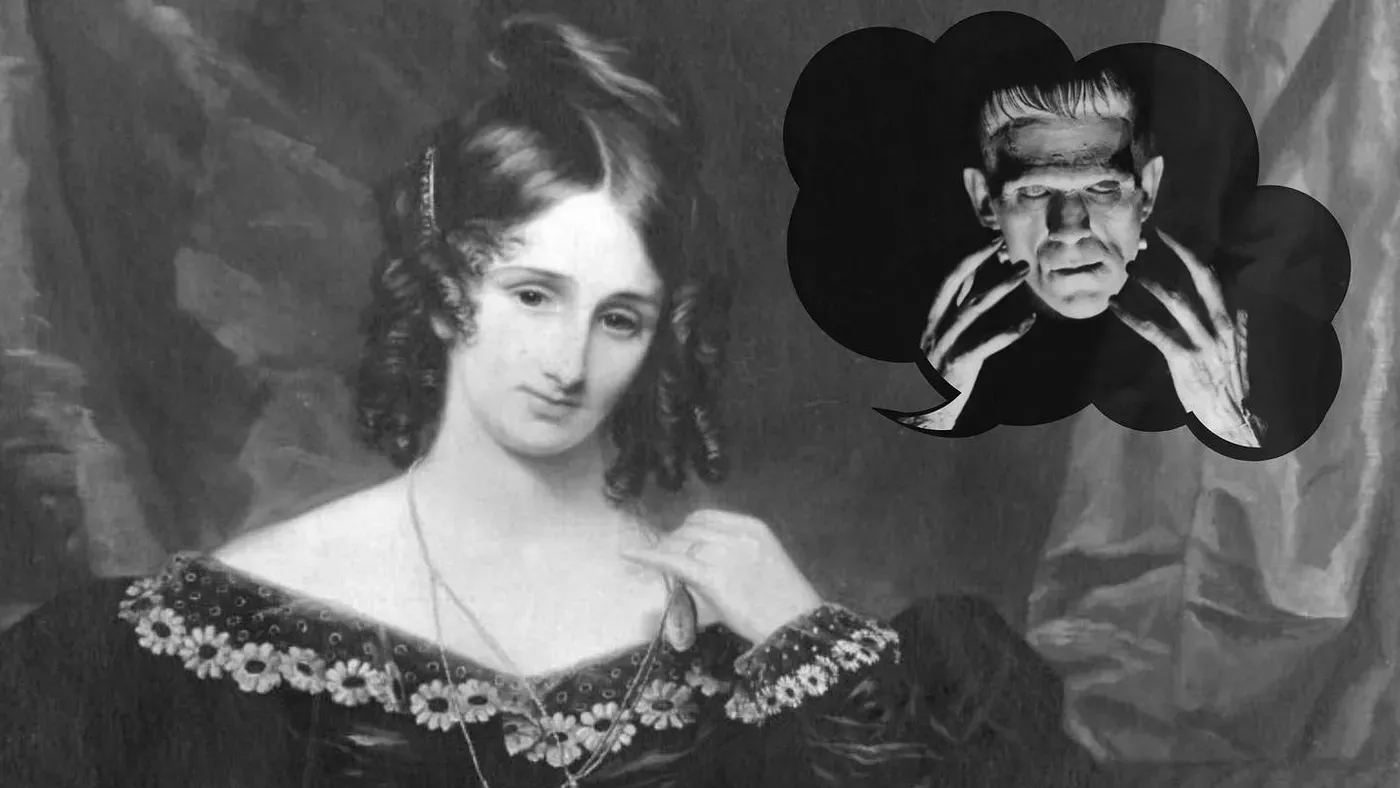
A young Mary Wollstonecraft Godwin, later known as Mary Shelley, seized upon this unique atmosphere to spark her imagination. Born in 1797 in London, England, to two prominent philosophers, Mary's early life was marked by tragedy when her mother passed away just 11 days after her birth.
Mary's father's household was a hub of intellectual and creative activity, with acclaimed poets and politicians frequently visiting the family home. Despite not receiving formal education, Mary had access to her father's extensive library, where she developed a lifelong love of writing. This exposure would later influence her literary pursuits.
The lack of warmth during that fateful summer seemed to fuel Mary's creativity, as she began to weave together a spine-tingling narrative that would become one of the most iconic novels in literature. But before we delve into the creation of Frankenstein, let us take a closer look at the life and circumstances that shaped this remarkable author.
Mary Shelley's family connections and her early exposure to literary circles played a significant role in shaping her writing style and interests. As she grew older, Mary began to develop her own unique voice, which would eventually give birth to some of the most enduring works of Gothic literature.
Mary Shelley's early life was marked by tragedy and loss, setting the stage for the dark and haunting themes that would later define her writing. Born in London in 1797 to two prominent philosophers, Mary's mother passed away when she was just a baby, leaving behind a stepmother who did not win her affection.
Despite lacking formal education, Mary had access to her father's vast library, where she spent countless hours devouring books and developing a lifelong love of writing. The household was also frequented by esteemed poets and politicians, exposing Mary to the world of creativity and imagination that would shape her future.
At the age of 11, Mary published her first poem, "Mounseer Nongtongpaw, but it failed to bring significant financial relief to her family, who were struggling with mounting debts. This was a recurring theme in Mary's life, as she would later face financial struggles and personal loss.
Mary's introduction to Percy Bysshe Shelley is believed to have occurred between 1812 and 1814, when the poet was five years her senior and still married. Despite these obstacles, the two fell deeply in love, running off to Europe and starting a family that would be marked by tragedy.
Their first child, Clara, was born when Mary was just 16, but tragically died two days after birth. This devastating loss had a profound impact on Mary, who later reported having a recurring dream about reviving her daughter through the warmth of fire.
The winter months had brought little respite from the gloom that had settled over Mary Shelley's life. In January 1816, she gave birth to her and Percy's second child, William, while Percy was still married to his wife in England.
This complicated domestic situation only added to the tension and melancholy that pervaded their lives. The couple's decision to travel to Switzerland for a summer holiday with a group of writers seemed like a welcome escape from their troubles.
The group consisted of some of the most prominent literary figures of the time, including Matthew Lewis, John Polidori, Lord Byron, and Claire Clairmont, Mary's stepsister. The latter was already pregnant with Byron's love child at the time and is often credited with bringing the group together through her connections.
As they settled into their new surroundings, the group found themselves drawn to the eerie and foreboding atmosphere of the Swiss landscape. Lord Byron, sensing their mood, suggested that they read ghost stories to pass the time, a proposition that Mary Shelley welcomed with enthusiasm.
The reading sessions sparked an idea among the writers: to create their own horror-themed tales as a contest. This challenge seemed to galvanize their creative energies and inspire them to produce some of their most enduring works. According to historical accounts, Byron and Shelley's friendship was a true meeting of the minds, marked by intense intellectual exchanges.
The two friends spent hours discussing pressing philosophical ideas and scientific breakthroughs, an exchange that may have contributed to the creation of Mary Shelley's iconic novel, Frankenstein. These stimulating conversations only added to the sense of creative ferment that characterized their summer together in Switzerland.
The storms that rolled in over Lake Geneva created an ominous backdrop for Mary Shelley's creative endeavors. The unrelenting summer weather seemed to fuel her imagination as she grappled with ideas for a horror story. Her thoughts were consumed by the concept of reviving life from death, a notion that had been brewing since the loss of her child.
As she drifted off to sleep, Mary experienced a vivid waking nightmare - a vision of a student assembling body parts that suddenly came to life. This haunting image drew heavily from her earlier dream of reviving her deceased child. The fusion of this disturbing scenario with the breathtaking scenery of Lake Geneva and Mont Blanc proved pivotal in shaping the narrative of Frankenstein.
The publication of Mary's travel narrative, History of a Six Weeks' Tour, marked an important milestone in her literary career. Released anonymously in 1817, the book chronicled her excursions from 1814 to 1816. Her husband Percy's name appeared on the preface, lending his support to this early work.
Mary's journey through Europe had been a transformative experience that influenced her writing. The publication of History of a Six Weeks' Tour allowed readers to glimpse into her travels and the people she met along the way. Although written anonymously, the book revealed Mary's growing skill as a writer and storyteller.
The release of History of a Six Weeks' Tour" coincided with the period when Frankenstein was still in its formative stages. The novel would remain unfinished for several years, but the seeds sown during this time would eventually give rise to one of literature's most iconic creations.
Mary's literary endeavors continued to evolve as she navigated her personal life and creative pursuits. Her experiences on Lake Geneva and beyond had a lasting impact on her writing, shaping the themes and ideas that would come to define Frankenstein.
In 1818, Mary Shelley saw the publication of her novel Frankenstein or, The Modern Prometheus, without her name on the byline. This was not an unusual practice at the time, and it has led many to assume that Percy Shelley was the actual author. However, this assumption would be proven incorrect as the years went by.
The initial reception of the novel was lukewarm, but its popularity grew over time, transforming it into one of the most enduring monster stories in literature. The novel's impact on popular culture has been immense, inspiring countless adaptations and interpretations that continue to captivate audiences worldwide.
Four years after Frankenstein's publication, Percy Shelley met his untimely demise during a sailing expedition in Italy. This tragic event left Mary as a young widow at the age of 25, with no living children due to the loss of their three-year-old son William and a miscarriage that had nearly claimed her life.
The death of Percy was a devastating blow to Mary, but it did not deter her from continuing her writing career. In fact, she went on to publish several works in the years that followed, including a second edition of Frankenstein with her name prominently featured as the author.
This time around, Mary's father, William Godwin, acted as editor for the revised edition of Frankenstein. Interestingly, Mary also saw fit to publish some of Percy's poems during this period, much to the chagrin of his disapproving father.
The publication of these works marked an important milestone in Mary Shelley's writing career, demonstrating her resilience and determination to continue producing literature despite personal tragedy and adversity.
A second edition of Mary Shelley's novel Frankenstein was published in 1823, featuring her name as author and William Godwin, her father, serving as editor.
This marked an important period for Mary Shelley, who continued to produce literature despite facing personal challenges, including the publication of some of her late husband's poems, which were met with disapproval from his family.
Facts based on reporting originally published by Mental Floss.
You may republish this story, in full or in part, if you credit News Central Site and link to it (licence CC BY 4.0). Photos are not included.