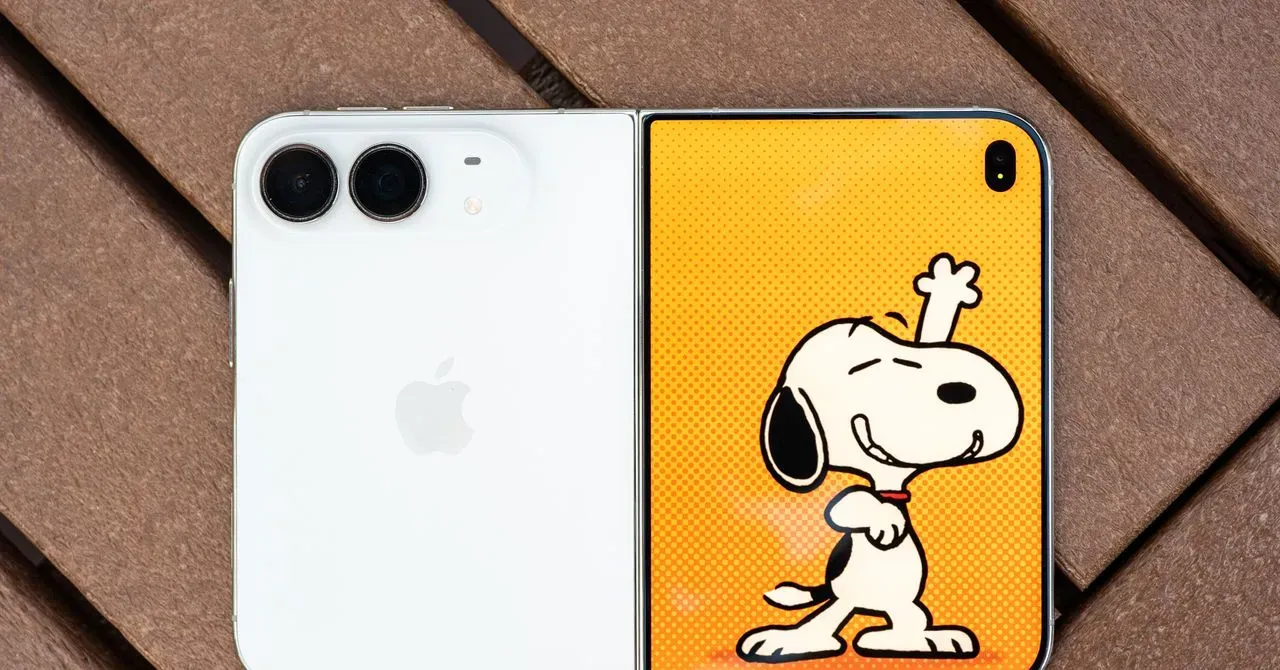
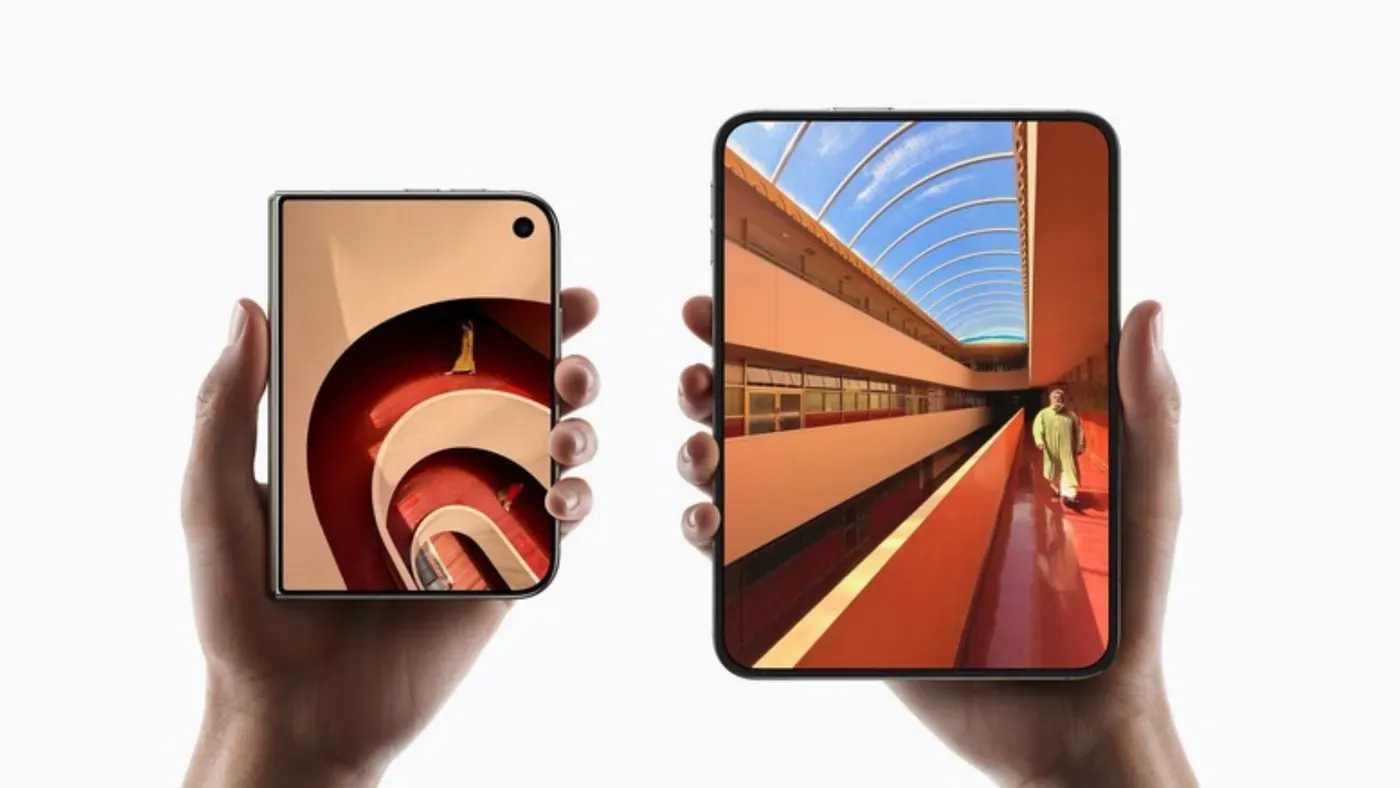
Apple Limits Foldable iPhone Duo Purchases to Two Devices Per Customer
Customers attempting to buy more than two iPhone Duos are met with a message stating that only two devices can be purchased per customer.
Apple has placed a limit on purchases of its upcoming foldable iPhone Duo, allowing each customer to buy at most two devices.
When attempting to add more than two iPhone Duos to an order on the Apple Store, customers are met with a message stating that only two devices can be purchased per customer. This restriction is in place regardless of whether the purchase is made online or in-store when the phone becomes available on Friday.
The limit of two foldables per person will apply universally, affecting both those who pre-order their iPhone Duo and those who opt to buy it in-store. It's worth noting that Apple has a limited stock of the new device, which may lead to long wait times for customers trying to get their hands on one - or more.
Pre-orders for the iPhone Duo are currently backed up until late January, with estimated delivery dates ranging from several weeks after the initial purchase date. However, those who do manage to secure an in-store purchase may still face the challenge of waiting in line overnight to be among the few individuals able to get their hands on one of these highly anticipated devices.
In a departure from its usual practices, Apple has reintroduced restrictions on iPhone purchases, limiting buyers to two devices per order for its latest release, the iPhone Duo. This move marks a return to a policy first implemented nearly two decades ago when the original iPhone was launched in 2007.
Initially, buyers were allowed to purchase only two iPhones per order, but this limit was later eased to five by the holiday season that year. However, in 2012, Apple reverted back to its stricter policy, limiting orders for the iPhone 5 to two per customer. This time around, it seems that the company is taking a more cautious approach with its latest foldable device.
Despite the restrictions on online purchases, we found that multiple iPhone Duos can be added to shopping carts at major carriers such as Verizon, AT&T, and T-Mobile, provided buyers sign up for a new line of service. However, this option comes with the caveat that all additional devices will require activation with a carrier.
The iPhone Duo is Apple's entry into the foldable phone market, which has seen significant competition from other manufacturers since 2020. Samsung, Motorola, and Google have all released their own versions of foldable phones, while Chinese brands like Huawei and Xiaomi have also joined the fray, although none have achieved widespread sales in the US.
The release of Apple's iPhone Duo has sent shockwaves through the tech industry, with analysts predicting it will capture nearly a third of the foldable phone market by year's end. According to the International Data Corporation, the Duo is expected to account for 31% of the foldable share of the phones market by the end of this year, and could reach as high as 40% in 2027.
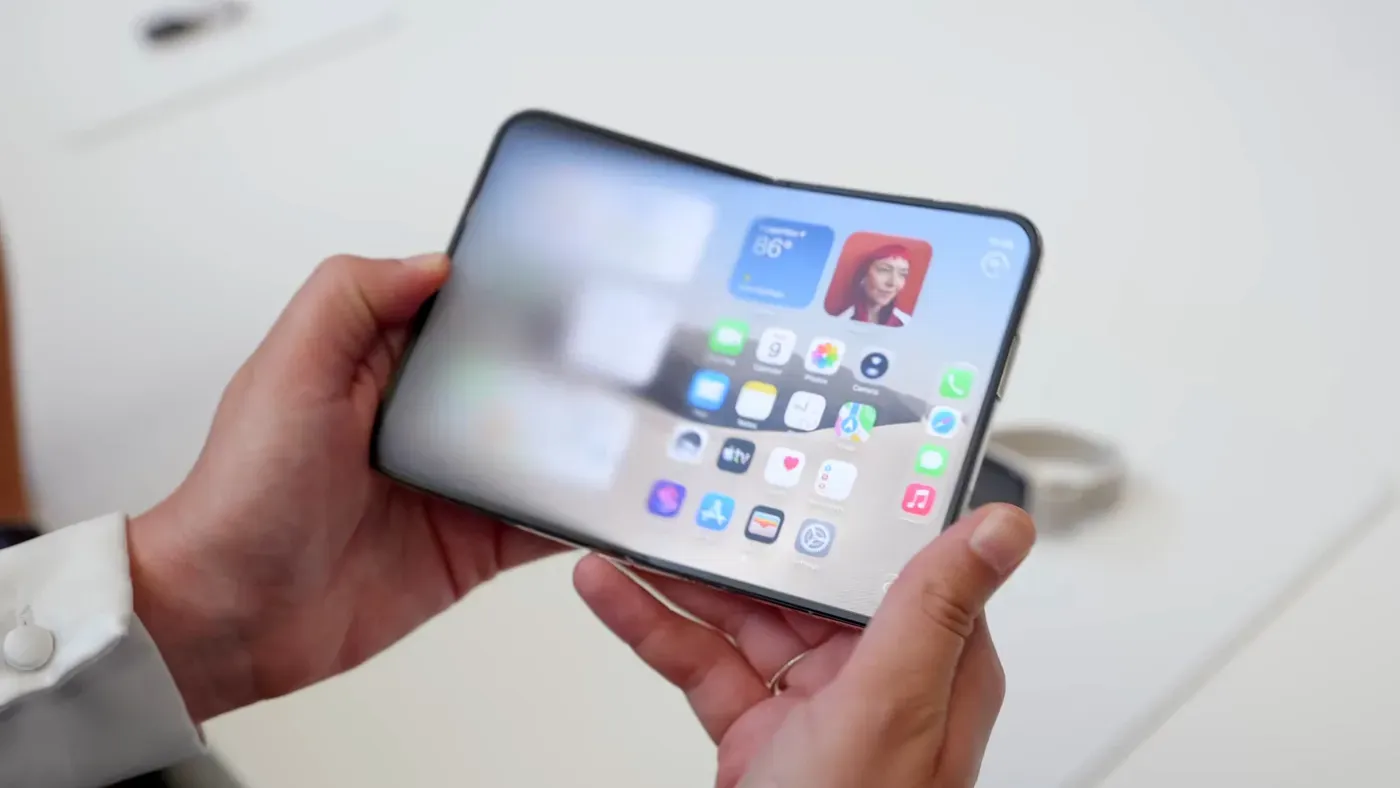
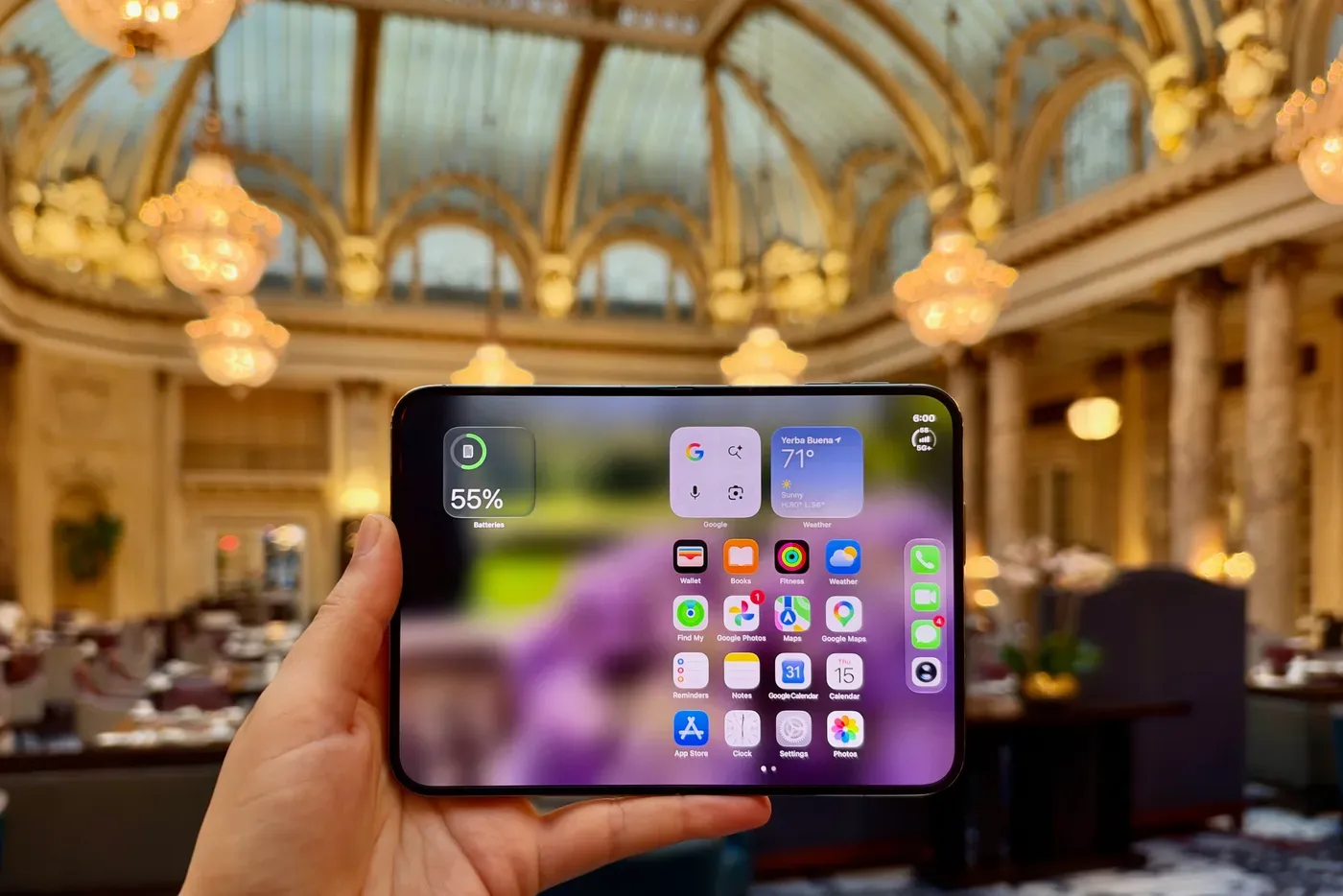
Early reviews of the iPhone Duo have been largely positive, with critics praising its finer details. Despite some minor drawbacks associated with being a first-generation device, many reviewers agree that the experience feels fluid and cohesive. This is particularly evident in hands-on experiences, where the phone's design and functionality come together seamlessly.
The success of the iPhone Duo has also sparked renewed interest in foldable phones as a whole. As the market continues to grow, it remains to be seen whether Apple's new device will maintain its momentum throughout the holiday season and into the new year, solidifying its position as a major player in the industry.
Facts based on reporting originally published by CNET.
You may republish this story, in full or in part, if you credit News Central Site and link to it (licence CC BY 4.0). Photos are not included.