Amazon Renames E-book Subscription Service Kindle+
The company has revamped its e-book subscription service, renaming it Kindle+ and introducing two significant changes that will enhance the reading experience for subscribers.
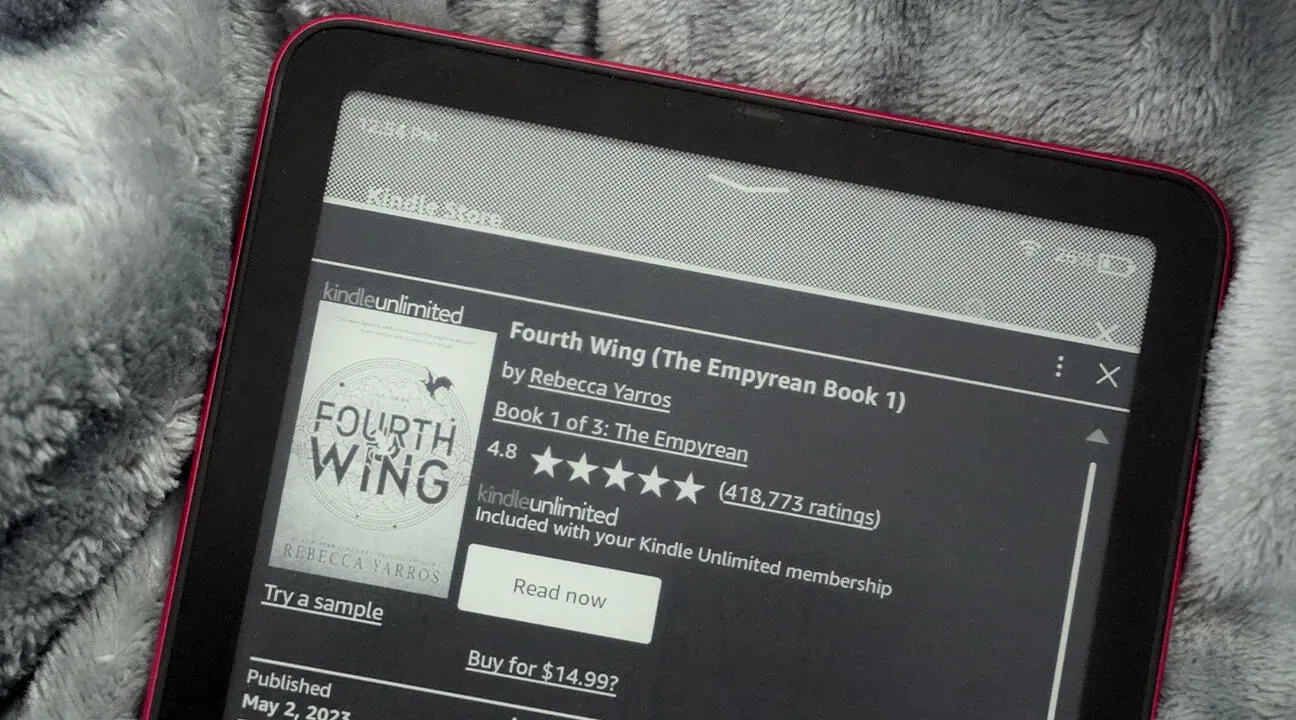
Amazon has revamped its popular e-book subscription service, renaming it Kindle+ and introducing two significant changes that will enhance the reading experience for subscribers. The new name retains the same functionality as before, offering users unlimited access to a vast library of eligible e-books for $12 per month.
One of the key updates is an expansion of the audiobook category within the subscription. Users can now borrow more titles from this section, including some narrated by AI technology. This move aims to provide subscribers with greater flexibility and choice when it comes to their reading material.
To facilitate this change, Amazon is offering its Virtual Voice service at no cost to authors who are part of the Kindle Direct Publishing (KDP) program. With Virtual Voice, authors can opt for AI narration of their books without incurring any expenses.
The upgrade will enable users to choose from a broader range of audiobooks, including those narrated by traditional voices and those created using AI technology. This move is likely intended to make the reading experience more engaging and convenient for subscribers who want to continue listening to e-books while going about their daily activities.
Amazon's e-book subscription service, Kindle+, is now offering AI-generated audiobooks as an alternative to traditional narration. This change allows authors enrolled in the KDP program to create their own audio versions of their books without needing to hire a professional narrator.
The move may raise concerns for some readers who value the human touch in audiobook narration. Professional narrators bring their own unique voice and interpretation to a story, which can be an essential part of the listening experience. However, authors participating in the KDP program may see this as an opportunity to save costs and time by using AI-generated audio.
For authors who enroll in Kindle+, earnings are based on the number of pages read, rather than per download. This means that their income will depend on the month's payout rate and the total number of pages consumed by subscribers. The switch to AI audiobooks may also provide an additional revenue stream for some authors, especially those with a large following or popular titles.
While AI-generated audiobooks are now available through Kindle+, not all e-books in the service offer this feature. Some readers may still prefer professionally narrated audio versions, which have been included with certain Kindle Unlimited ebooks for years.
The revamped Kindle subscription service has introduced several changes that aim to enhance the reading experience for users. One notable addition is the ability to read PDFs and articles directly on the device, providing users with a more seamless way of accessing various types of content.
In addition to this feature, Amazon has also enabled accessibility features such as Assistive Reader and VoiceView, which allow users to listen to text being read aloud. This functionality is particularly beneficial for individuals who struggle with reading due to visual impairments or other disabilities.
The main overhaul of the service, however, lies in its expanded audiobook selection. Users will now have access to a greater number of titles, making it easier for them to find and enjoy their preferred books through listening. Moreover, the simplified process of creating audiobooks will encourage more authors to publish their works in this format.
Amazon has clarified that users can continue to borrow books from Kindle+ without any changes to the subscription pricing or terms. The revamped service is essentially a rebranding effort, with minimal alterations to the reading experience itself.
Facts based on reporting originally published by ZDNet.
You may republish this story, in full or in part, if you credit News Central Site and link to it (licence CC BY 4.0). Photos are not included.