Utility Costs Rise Across America
A growing number of Americans are finding themselves struggling to make ends meet due to rising utility costs, which have become a major concern for many households. According to a recent...
A growing number of Americans are finding themselves struggling to make ends meet due to rising utility costs, which have become a major concern for many households. According to a recent survey by Consumer Reports, an overwhelming majority of respondents who have lived in their homes for over three years reported paying more for energy now than they did three years ago.
The impact of these rate increases is being felt deeply across the country, with nearly three-quarters of surveyed families saying that utility costs have strained their household finances. While some households are seeing relatively modest rate hikes, many others are facing significant increases, with a quarter reporting rises of 20 to 49% and 6% experiencing hikes of over 50%.
As budgets tighten, people are being forced to make difficult choices between essential expenses and discretionary spending. For one in four families, this means adjusting the thermostat to uncomfortable levels during summer and winter months. Others are cutting back on non-essential spending, such as dining out or taking vacations.
In a bid to save money, some households are also reducing their grocery bills by buying less food or opting for cheaper alternatives. Approximately 20% of respondents reported making these kinds of changes in response to rising utility costs.
The widespread perception that utility company profits and the increasing presence of data centers are driving up electricity rates is causing concern among ratepayers. Over three-quarters of those surveyed expressed distrust in their state lawmakers' ability to protect them from rate hikes, highlighting a growing sense of disillusionment with the regulatory framework governing utilities.
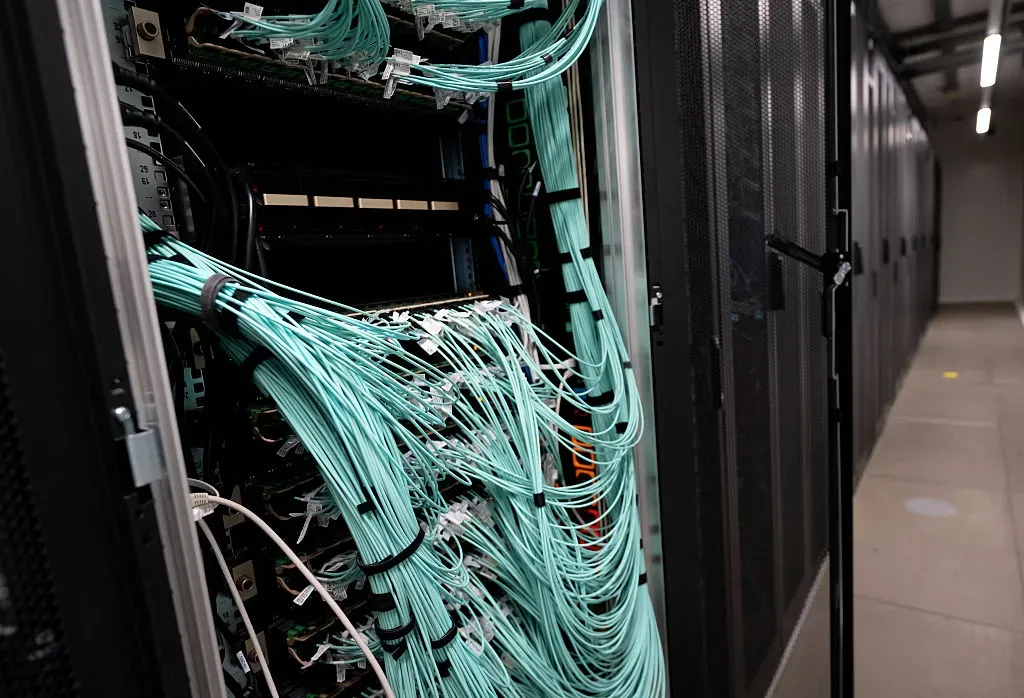
A significant majority of US voters are opposed to the construction of AI data centers in their local areas. These facilities have been linked to rising electricity costs, water contamination, and fossil fuel pollution, sparking concerns among residents. Supporters argue that building and operating data centers create new job opportunities, but critics claim these benefits are short-lived and limited.
The public's dissatisfaction with AI data centers is reflected in the proposed solutions they advocate for. A substantial majority of Americans believe that stricter regulations should be imposed on data center owners, utility companies, and appliance manufacturers to mitigate their impact. This sentiment is driven by concerns over rising electricity costs and the disproportionate burden placed on residential customers.
The issue at hand is further complicated by the fact that utility companies pass on expenses related to data centers to householders through higher rates. According to survey findings, nearly 80% of respondents think it's reasonable for utilities to establish a separate rate category for large-scale users like data centers. Meanwhile, roughly half of those surveyed believe it's unacceptable for residential customers to bear the costs.
The power to implement meaningful changes lies with lawmakers, who must weigh the competing interests and find a solution that balances economic growth with environmental concerns. Until then, individuals are left wondering what steps they can take to mitigate rising electricity bills.
Residents can exert some control over their energy consumption by assessing their home's energy efficiency. This involves identifying areas where energy is being wasted and implementing cost-saving measures such as installing energy-efficient appliances. Even small changes can make a difference in reducing household expenses, particularly when combined with government initiatives like the Energy Star program.
Home insulation is a crucial step in reducing energy consumption during winter months. This involves sealing gaps around doors and windows to prevent cold air from entering homes, thereby keeping heat inside. By doing so, homeowners can reduce their heating bills significantly.
Preventing heat loss through pipes is also essential, as this can lead to wasted electricity and potentially even damage to the home's plumbing system. Insulating key areas such as water pipes will help retain precious heat and save energy. This simple step can make a notable difference in reducing household expenses.
In addition to insulation, there are other year-round tips that homeowners can follow to save money on utility costs. One such tip is to turn off electronics instead of leaving them in sleep mode, which can still consume power even when not in use. By making this simple change, households can see a noticeable reduction in their energy consumption.
Another easy way to save money is to ensure lights are turned off when leaving a room or space. This habit, combined with turning off appliances and electronics when not in use, can lead to significant savings over time. It's also worth considering adjusting the thermostat to an optimal temperature range for your home, rather than letting it run continuously.
By incorporating these simple habits into daily life, households can start saving money on utility costs without making any major changes or investments. These small adjustments can add up to make a big difference in reducing household expenses and staying within budget.
A new tool has been made available by Consumer Reports that helps individuals understand their utility bills. The bill decoder tool is a free resource that allows users to upload their bills and receive a breakdown of the pricing information. This can help identify areas where costs may be higher than necessary.
The tool also offers access to money-saving resources and programs near the user's location, as well as provides Consumer Reports with data on trends and usage patterns. By gathering this evidence, the organization aims to advocate for lower rates and push for more transparency in utility billing practices.
This tool is not just about saving money, but also about protecting personal data. When sharing a utility bill with anyone, it's essential to be clear about what information is being shared and how it will be used. Users should consider redacting sensitive details like names or addresses before uploading their bills.
Facts based on reporting originally published by CNET.
You may republish this story, in full or in part, if you credit News Central Site and link to it (licence CC BY 4.0). Photos are not included.