Vance Acknowledges Republican Shortcomings on Affordability Concerns
The exchange between JD Vance and a young Republican at a town hall meeting highlighted the difficulties faced by young people in affording homes, with the average price of a home now exceeding $415,000.
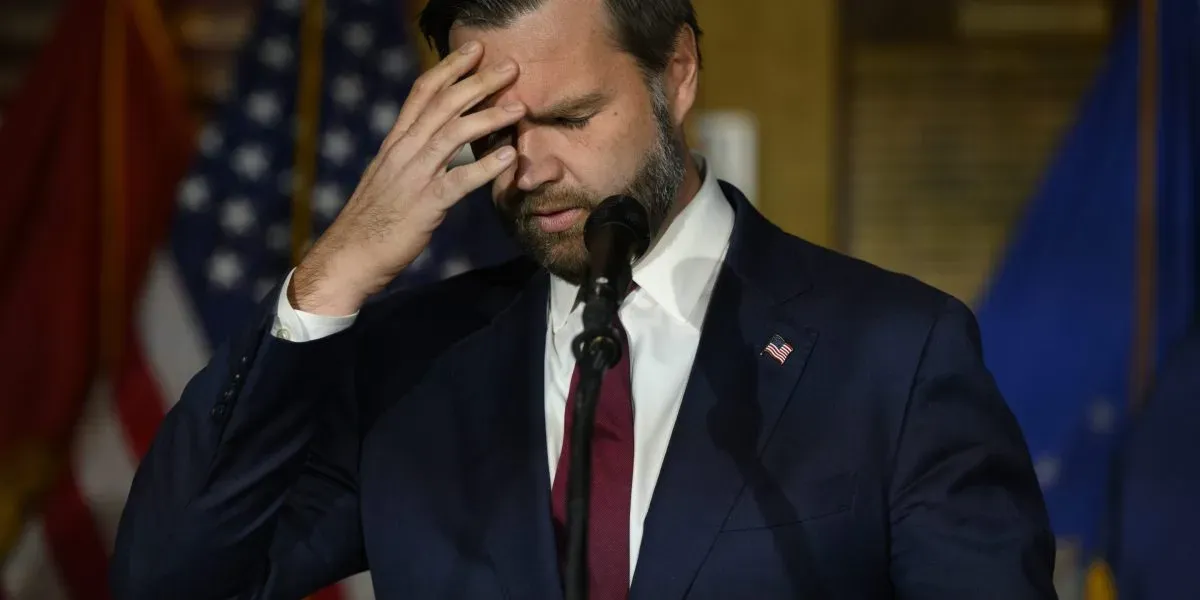
JD Vance, Vice President and a prominent figure in the Republican Party, was recently asked by a young member of his party how her generation could afford to start families. In response, he attempted to lighten the mood with a joke about Senator Jon Husted's physique before conceding that Republicans had fallen short in addressing this critical issue.
The exchange took place just a week before the election, and Vance's words seemed to acknowledge the growing concern among young voters about the rising cost of living. This sentiment is reflected in a recent Gallup poll, which found that 43% of Americans now view socialism positively - a record high.
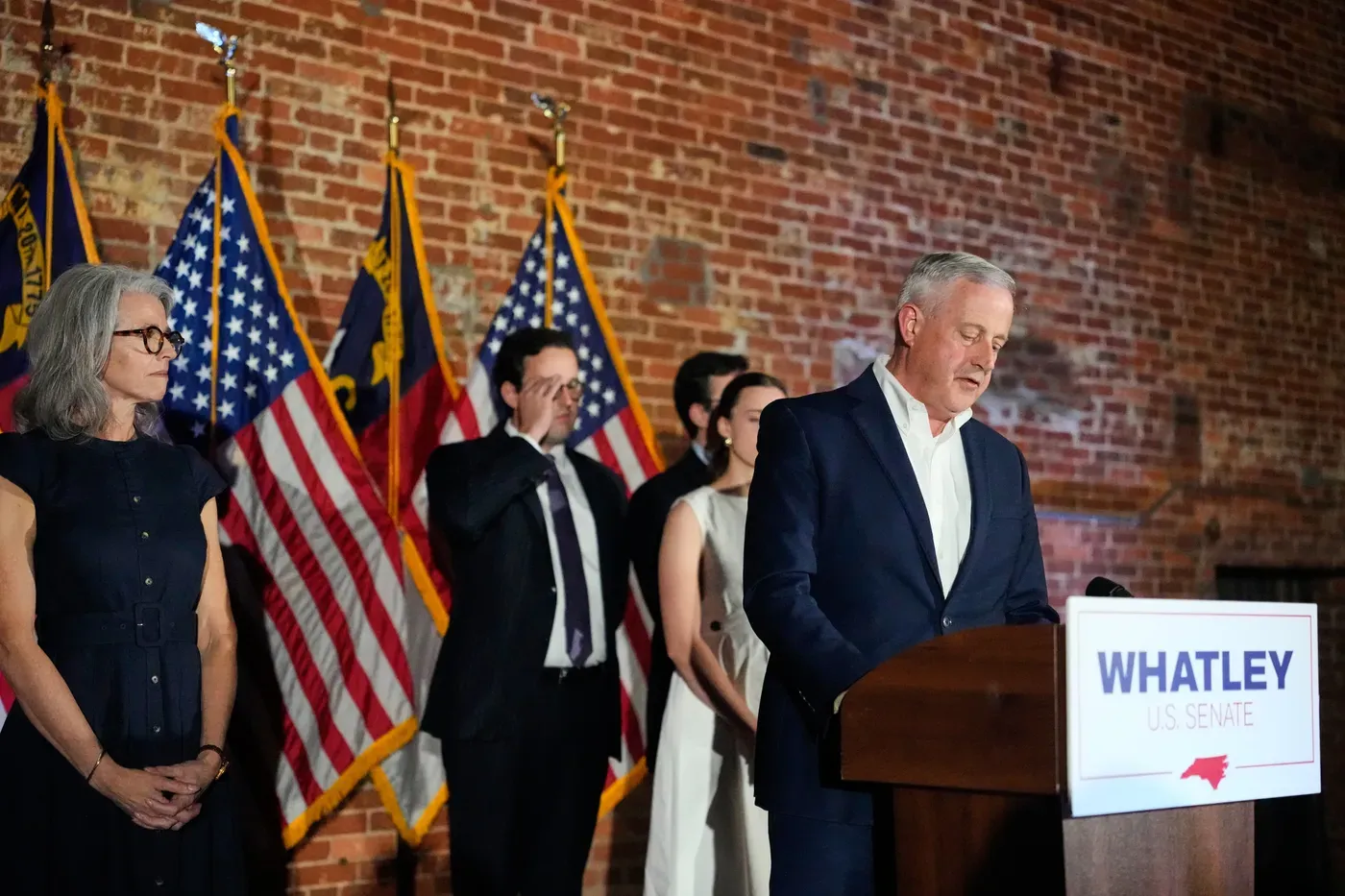
The concerns expressed by Vance's questioner were echoed by Senator Jon Husted himself in his campaign against Democrat Sherrod Brown. However, despite Vance's earlier warnings to the Republican Party about the appeal of socialism among young people, Husted ultimately lost the election.
Brown, who is 73 years old, made a significant comeback in this election, becoming the first senator since 1988 to win back a seat after losing reelection. This victory marks a notable shift in public opinion, as Brown won over voters in a state that had previously voted for Trump by more than 10 points.
The exchange between Vance and the young Republican at a recent town hall meeting highlighted the difficulties faced by young people in affording homes, with the average price of a home now exceeding $415,000. This has led to widespread concerns about the financial sustainability of starting families.
As part of his campaign efforts, JD Vance acknowledged that Republicans had fallen short in addressing affordability concerns for young people. He attributed rising costs to factors such as illegal immigration and Wall Street investors buying up homes, claiming these issues were being addressed by the current administration.
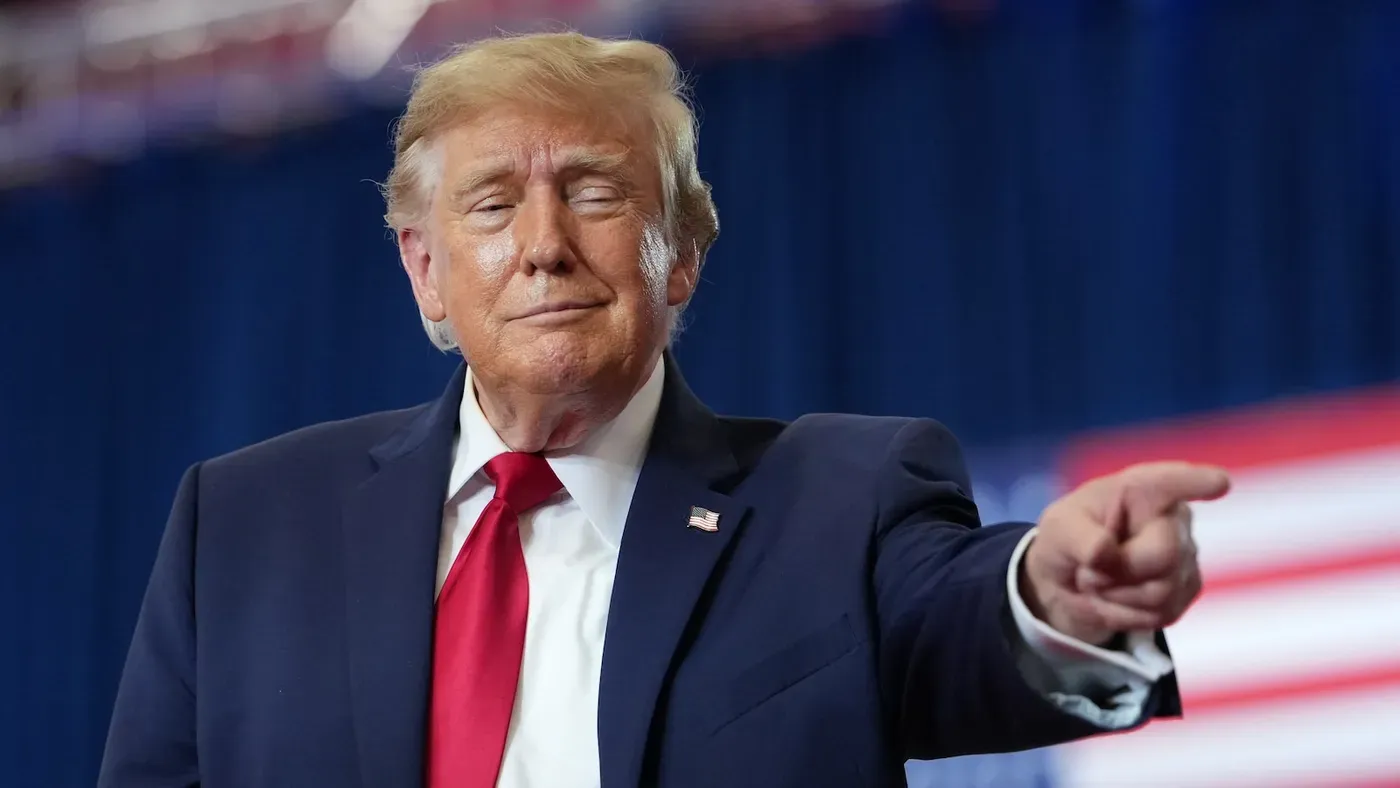
During a rally for Jon Husted, Donald Trump shifted focus from Husted's Senate record to his physical appearance, suggesting that his looks were boosting his chances in the polls. In fact, Trump went so far as to promote Husted as the better-looking candidate in his campaign materials.
Trump had previously supported Husted on multiple occasions, including three rallies in October, where he emphasized Husted's physical attributes over any policy achievements or qualifications. This unusual focus has raised eyebrows among observers.
Meanwhile, Husted's campaign responded to Brown's criticism by highlighting their own candidate's youth and energy. One ad noted that Husted was a 7-year-old playing pee-wee football when Brown first entered Congress, implying that Husted is more in touch with modern Ohioans.
Trump's economic proposals were met with skepticism from many voters, including those polled by the Economist/YouGov survey. A staggering 57% of registered voters doubted that Trump would deliver on his promise to send a $5,000 check to every adult if Republicans held Congress.
Brown's campaign focused squarely on the cost of living and affordability for working Ohioans. He emphasized his commitment to lowering costs for groceries, healthcare, and other essential expenses, framing Husted as out of touch with these concerns due in part to his role in promoting data centers that drive up electricity bills.
The recent election in Ohio has seen a significant shift in voter sentiment, with many attributing their decision to Sherrod Brown's emphasis on affordability and his ability to connect with working-class voters. In contrast, Republican candidates were seen as out of touch with the concerns of rural and low-income communities.
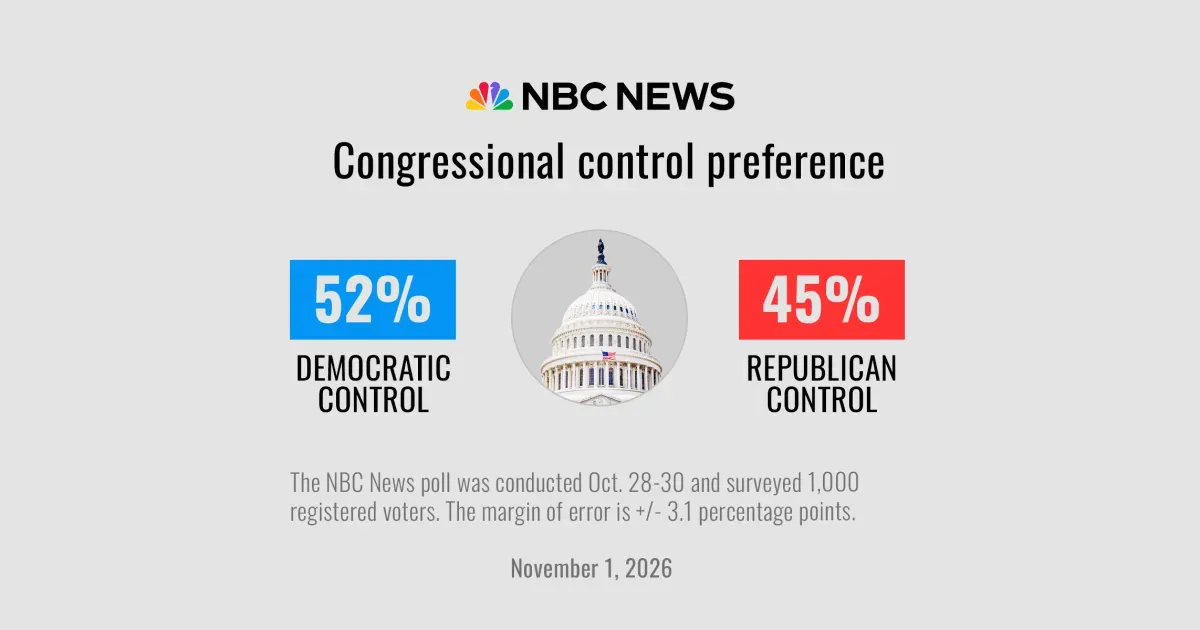
Ohio House Minority Leader Dani Isaacsohn noted that Brown is well-positioned to address these issues, citing the fact that voters nationally named cost of living and government corruption as their top two concerns in exit polls. Similarly, NBC's analysis found that Republicans had lost ground on economic issues, with a growing number of voters viewing the party negatively.
The outcome has been seen by some as a reaction to Trump-era policies, including tariffs, trade wars, and military conflicts that drove up fuel prices, particularly among rural and working-class voters. Political scientist David Niven cautioned against reading too much into this result, suggesting it may not represent a lasting shift in partisan allegiances.
Facts based on reporting originally published by Fortune.
You may republish this story, in full or in part, if you credit News Central Site and link to it (licence CC BY 4.0). Photos are not included.