Rising Costs in US Economy Contradict Trump's Downplaying Claims
President Donald Trump continues to downplay concerns over rising costs faced by Americans, contradicting the tone taken by his Vice President, JD Vance.

President Donald Trump continues to downplay concerns over rising costs faced by Americans, contradicting the tone taken by his Vice President, JD Vance.
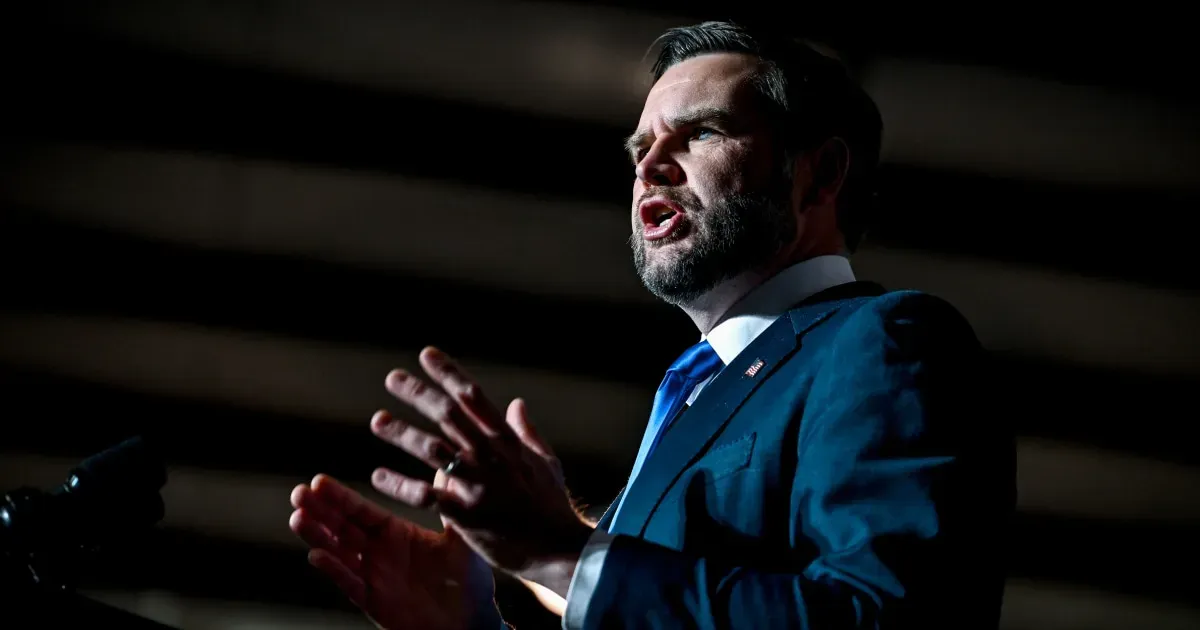
When speaking on the campaign trail, Vance often acknowledges that people are struggling financially and expresses understanding for their frustrations. This approach is in stark contrast to Trump's recent comments, where he claimed that high prices were an unfamiliar concept to him during a stop in Nebraska earlier this month.
In Texas last month, Vance struck a more conciliatory note, admitting that some individuals are growing impatient with the pace of economic progress. The Vice President has also directly addressed the issue of gas prices, stating that they are currently too high and that efforts are underway to address the problem.
The differing perspectives on the economy from Trump and Vance come at a time when American confidence in the economy is waning. According to recent data, this month's economic sentiment is the lowest it has been in over a decade.
As the country grapples with rising costs, including increased mortgage rates and an uptick in unemployment, the White House's approach to addressing these issues remains unclear.
As the economy continues to face challenges, high gasoline prices are exacerbating inflationary pressures and pushing up costs in other areas of the economy. The rising cost of oil and gas is having a ripple effect, causing prices to increase in various sectors.
Some supporters of President Trump acknowledge that his salesmanship may not be enough to address the economic concerns facing the country. A 76-year-old retiree who attended one of Trump's rallies recently expressed this sentiment, stating that while she trusts the president's words on achieving a victory over Iran, she believes it will take more than just rhetoric to alleviate the current economic woes.
The retiree's comments reflect a growing concern among many Americans about the rising cost of living. Gasoline prices are not the only issue; grocery bills have also skyrocketed, leaving households feeling the pinch. The situation is further complicated by rising unemployment rates and increased mortgage costs.
Trump has dismissed concerns about affordability, labeling them as "a hoax. In contrast to his stance, a recent rally in Kentucky saw him proclaim that the country is experiencing a golden age of America," with economic indicators supposedly at an all-time high. However, this assertion seems at odds with the current economic reality facing many Americans.
The disconnect between Trump's optimistic rhetoric and the harsh realities faced by everyday citizens has left some questioning whether his approach to addressing economic issues is sufficient. As the country struggles to make ends meet amidst rising costs and unemployment, it remains unclear what concrete steps the White House plans to take to alleviate these concerns.
The contrast between the economic messages of President Trump and Vice President Pence has become increasingly apparent as the country grapples with rising costs and unemployment.
While Trump appears to downplay the issue of high gas prices, viewing them as a necessary sacrifice for national security, his administration's efforts to address these concerns remain unclear. Instead, he has focused on other initiatives, such as beautifying Washington and building a large ballroom at the White House. This disconnect between Trump's words and actions is particularly striking in light of voter concerns ahead of the midterm elections.
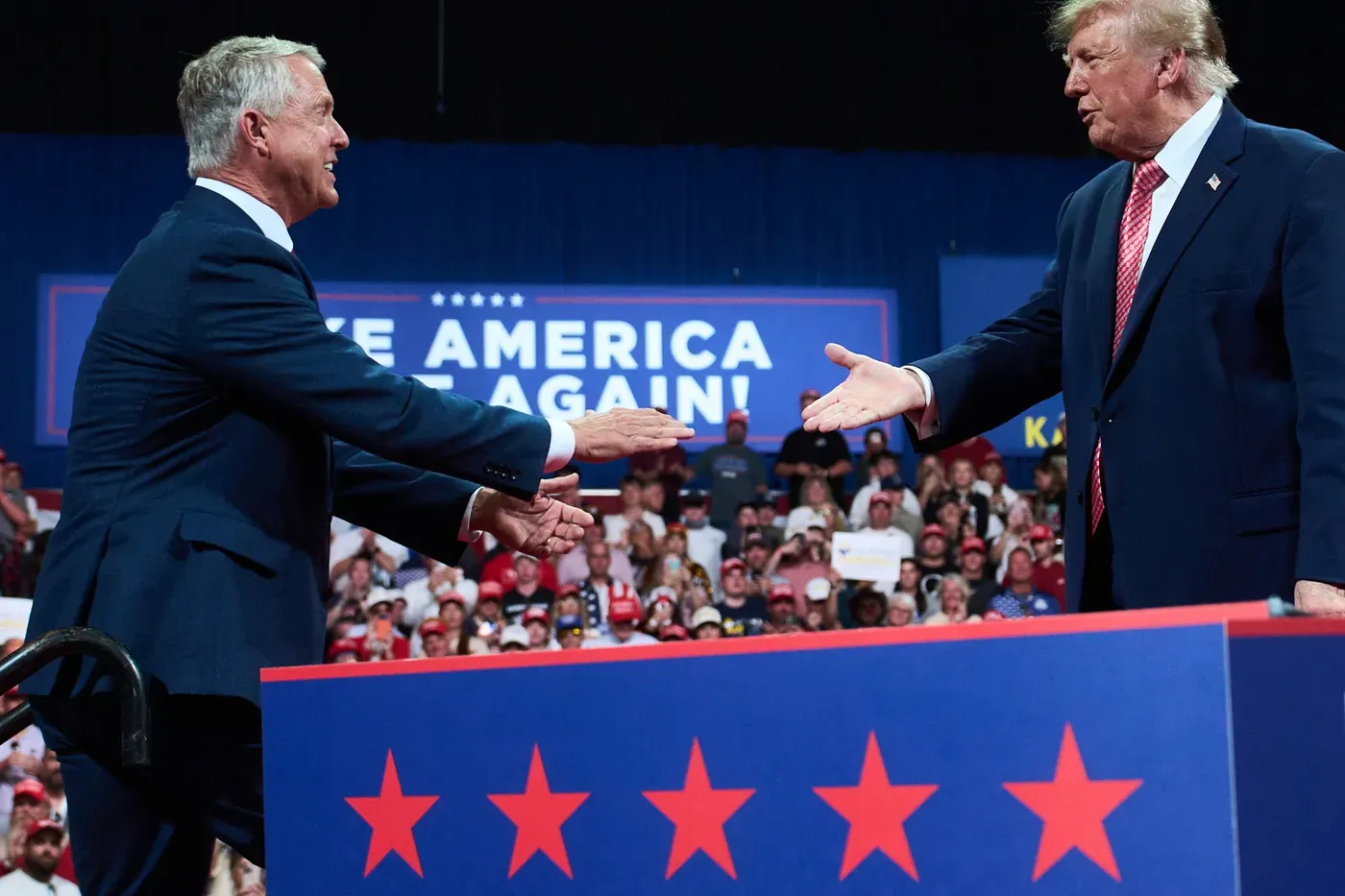
During a recent visit to Arizona, Trump boasted about his personal experiences with luxury, including a story about receiving a private jet from Qatar that he has used as Air Force One. The anecdote seemed out of touch with the economic struggles faced by many Americans in the region he was visiting.
In contrast, Vice President Pence has taken a more conciliatory approach to addressing voter concerns. He often acknowledges that his administration still has much work to do and blames their Democratic predecessors for putting the country in a difficult financial situation. This message of empathy is particularly effective when Pence references his own working-class upbringing in a Rust Belt town.
Pence's willingness to acknowledge the challenges facing the economy stands in stark contrast to Trump's more dismissive tone, which has been on full display during recent speeches at his Mar-a-Lago club. There, he joked about charging $5,000 for a meal that would include only one hamburger and a small dessert, highlighting the vast wealth disparity between himself and many of his constituents.
The economic concerns of voters were on full display at a recent town hall event where the moderator asked Vance about the mixed messages being sent by him and Trump regarding the state of the economy.
Vance acknowledged that while investments are coming into the country, the changes take time to materialize, and more needs to be done to address the struggles faced by many Americans. He empathized with those struggling due to high gas prices, recalling his own family's experiences when he was growing up.
Some voters are indeed turned off by Trump's optimistic view of the economy, which they see as disconnected from their everyday realities. This is particularly true for young people like Santiago Rodriguez, a 19-year-old Texas college student who will be casting his first vote this year.
Rodriguez attended a campaign rally last week for Democratic Senate candidate James Talarico and expressed concerns about Trump's ability to understand the financial struggles faced by many Americans, including himself. He stated that he would consider voting for a Republican but not while Trump is in office.
Not everyone shares Rodriguez's sentiments, however. Some of Trump's most loyal supporters, like Cindy Massengill, a 67-year-old from Georgia, believe that the president is doing his best to address the nation's economic challenges despite high prices and other issues.
Mary Bunker, a 67-year-old Republican from Wichita, Kansas, is optimistic about Trump's economic policies despite high gas prices affecting her life as a waitress and DoorDash driver.
She credits tax breaks signed into law last year by the president for easing some financial burdens, but acknowledges that his unvarnished style of discussing economic issues can be unsettling. Bunker views Trump as an experienced businessman who knows what he's talking about, which is why she remains loyal to him despite concerns over inflation and other pressing economic challenges.
Bunker's confidence in Trump reflects the sentiments of many Americans who appreciate his efforts to address the nation's economic woes, even if they disagree with some of his methods.
Facts based on reporting originally published by ABC News Politics.
You may republish this story, in full or in part, if you credit News Central Site and link to it (licence CC BY 4.0). Photos are not included.