US Trade Policies Drive Manufacturers Away from Southeast Asia
The imposition of broad-based import taxes under President Donald Trump has sent shockwaves across the Association of Southeast Asian Nations (ASEAN), affecting not only Chinese manufacturers but also American ones.
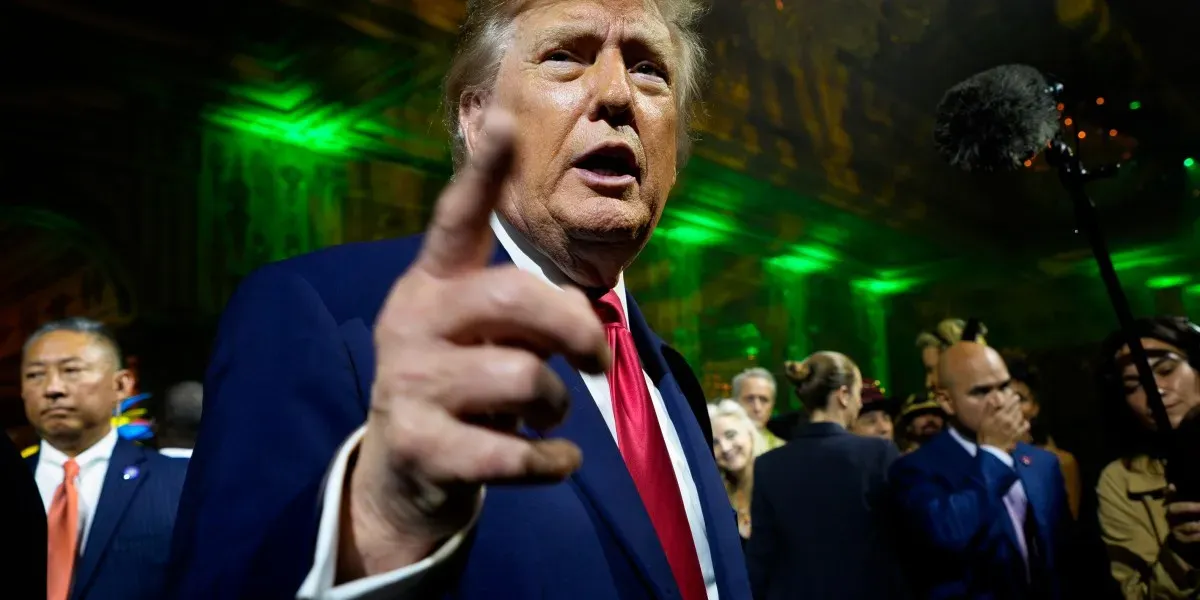
The United States has been urging manufacturers to relocate their factories from China to Southeast Asia for over a decade, but President Donald Trump's trade policies are now driving them away.
Washington's economic statecraft is usually designed to help American companies succeed abroad, but the opposite effect is being seen under Trump's leadership. The imposition of broad-based import taxes has sent shockwaves across the Association of Southeast Asian Nations (ASEAN), affecting not only Chinese manufacturers but also American ones.
Trump's trade policies are alienating regional partners and undermining efforts to diversify supply chains away from China. This is having a profound impact on America's influence over ASEAN's trade decisions, with some experts describing it as a "reverse pivot in the region.
In response to Trump's announcement of Liberation Day tariffs in April 2025, several ASEAN countries temporarily lowered their non-tariff barriers. A few nations even used this opportunity to implement long-needed reforms, including deals on Boeing sales and potential LNG contracts.
Following a Supreme Court decision in February that struck down part of the initial tariff regime, Trump's administration pivoted to implementing emergency measures under Section 122 of the Trade Act of 1974. Additionally, expansive investigations were launched into alleged forced labor, intellectual property violations, and excess capacity under Section 301.
The Trump administration's trade policies are inadvertently strengthening Beijing's grip on Asia by targeting labor, intellectual property, and excess-capacity issues in a manner that prioritizes China over Southeast Asia.
This approach has led to the redirection of supply chains from China into countries such as Vietnam, Malaysia, India, and the Philippines. For nearly a decade, multinational corporations have been shifting their manufacturing operations to these nations in an effort to insulate critical industries from geopolitical risks.
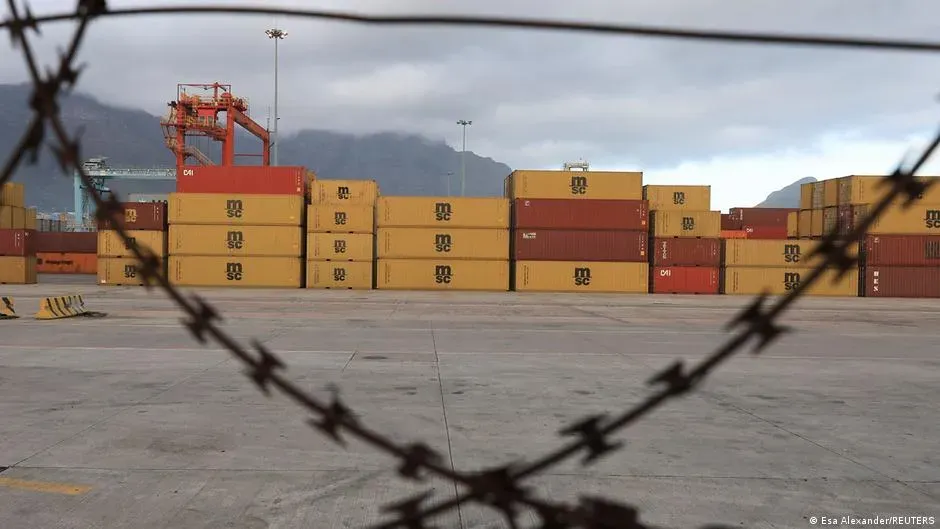
However, Washington's tariff regime is now undermining this strategy by imposing blanket punitive duties on Southeast Asian export hubs. As a result, local producers are being squeezed by subsidized Chinese overcapacity, while the region suffers more than the US when Chinese firms attempt illicit transshipment.
The reality is that supply chains in Asia are deeply integrated and legitimate, with regional partners playing a crucial role in diversifying industries away from China. By penalizing these partners for using alternative routes, Washington is inadvertently tightening its grip on the very nations helping to achieve this diversification.
The tariffs imposed by Washington as part of Trump's trade policy have yielded little in terms of shifting production lines to US shores. Higher costs and a shortage of skilled labor have made it impractical for companies to relocate their operations. As a result, bilateral trade deficits with Southeast Asian economies remain largely unchanged.
Regional exporters, importers, and consumers are absorbing the higher costs imposed by the tariffs, rather than seeing any significant shift in production. This has led to a loss of momentum in Trump's stated goal of diversifying supply chains away from Asia. ASEAN nations have traditionally been adept at balancing their relationships with both China and the US.
Their strategy of dynamic hedging" allows them to mitigate risks by maintaining good relations with multiple partners. However, as US policy becomes increasingly erratic and punitive, it is pushing these nations towards seeking alternative arrangements. This is creating an environment where they are being forced to re-evaluate their relationships with Washington.
This shift in dynamics has significant implications for the global economic landscape. Middle powers, such as those found in ASEAN, are being pushed to organize themselves in response to the coercive tactics employed by major powers like the US.
The shift in America's trade policy under current leadership has created significant friction in its relationships with regional partners in Southeast Asia. This change runs counter to decades of bipartisan precedent, where American leaders recognized that predictable and rules-based frameworks were essential for the success of their regional partners.
Since the US withdrew from the Trans-Pacific Partnership, other nations have stepped in to fill the void. ASEAN member states are now working on institutional networks that bypass Washington altogether, with agreements like the Regional Comprehensive Economic Partnership (RCEP) and the Comprehensive and Progressive Agreement for Trans-Pacific Partnership (CPTPP).
The absence of a US presence at the negotiating table has led to a shift towards multilateral cooperation among ASEAN countries. American companies are actively engaging with ASEAN negotiators on key issues, including the development of the ASEAN Digital Economy Framework Agreement (DEFA). This agreement aims to establish comprehensive standards for cross-border data governance and cybersecurity.
The creation of regulatory frameworks in Southeast Asia is taking place without direct US involvement. The region's estimated $2 trillion digital marketplace will be governed by clear rules and regulations, setting a precedent for the future of international trade and commerce.
Southeast Asia's trade relationships with the US remain robust despite Washington's shift towards protectionism.
Four ASEAN nations - Vietnam, Thailand, Malaysia, and Singapore - are among America's top 20 bilateral trading partners, indicating a strong foundation for continued cooperation. Private enterprise, investment flows, and educational links between these countries and the US have proven remarkably resilient in the face of changing circumstances. This resilience is a testament to the enduring nature of these relationships.
However, trust is essential in statecraft, and Washington's approach to its Asian partners has been undermined by a lack of reliability and consistency. By treating them as pawns in a zero-sum game with Beijing, the US risks alienating its key allies and losing influence in the region.
Facts based on reporting originally published by Fortune.
You may republish this story, in full or in part, if you credit News Central Site and link to it (licence CC BY 4.0). Photos are not included.