US Tech Imports Pose Compatibility Risks
Buying technology from other countries can lead to issues with compatibility and functionality due to regional restrictions and varying hardware configurations.
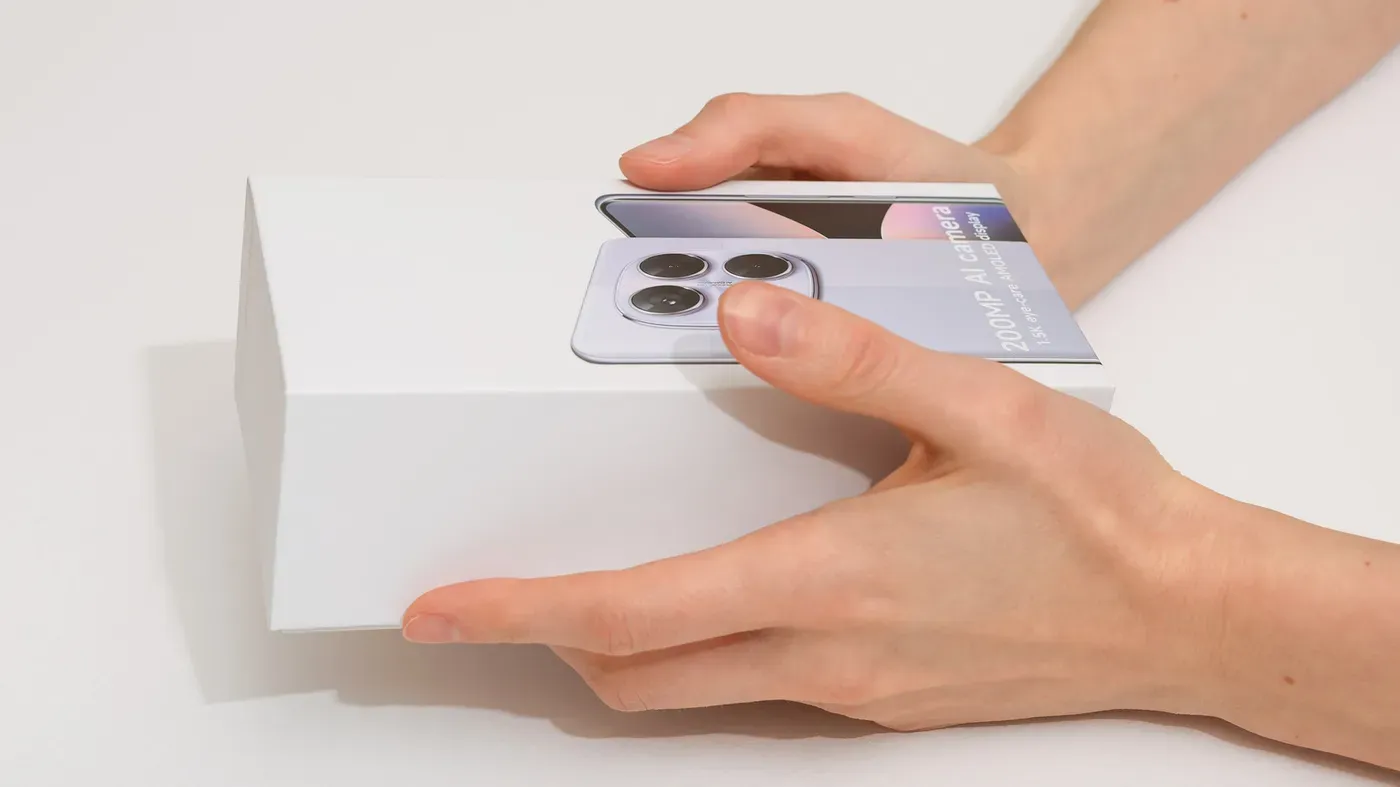
Buying technology from other countries may seem like a convenient solution when your device dies while traveling or when a product is not available locally. However, there are several drawbacks to consider before making an online purchase or buying in person during a trip.
When importing devices, users often encounter restrictions that can be frustrating. For instance, the hardware configurations of certain products can vary depending on the region they were purchased in. Some devices may have features like dual SIM slots that are not available in other countries.
For example, iPhones sold in China come equipped with physical SIM slots, a feature that was dropped from US models starting with the iPhone 14. This means users who purchase these phones abroad may struggle to access certain connectivity features when they return home. Additionally, some devices may have limited access to core software or tools even if they are used elsewhere.
When shopping for technology from overseas markets, it's essential to research and understand any regional restrictions that may apply. This can help avoid unexpected problems with compatibility or functionality.
Users who purchase devices from other regions may also face challenges in accessing warranty coverage or repair services, adding to the overall complexity of importing technology products.
Purchasing technology products from other countries can be fraught with challenges, particularly when it comes to compatibility issues.
One of the key concerns is cellular bands, which vary by region and country. For instance, a phone bought in another country may not work on the US' 5G network, resulting in limited access to carrier-specific features like VoLTE or Wi-Fi Calling.
This can be a significant problem for individuals who plan to use their devices as main phones, making it essential to check the compatibility of any device before purchasing from outside one's home region.
The issue is not limited to phones alone. Other tech products, such as laptops, can also pose problems when bought from abroad.
For example, laptop keyboards may have different layouts depending on the country where they were purchased, with French keyboards featuring the AZERTY layout and QWERTY versions being less common in those markets.
Moreover, power issues must be taken into account, including the need for adaptors due to differing plug types and voltages, which can range from 120V at 60Hz in the US to 220-240V at 50Hz in most of Europe and Asia.
When shopping online from abroad, buyers must factor in additional costs such as import duties and shipping charges. The removal of the $800 de minimis exemption for international parcels by the US has increased the financial burden on consumers.
With high shipping costs and potential tax liabilities, purchasing technology from overseas can be a costly affair.
Facts based on reporting originally published by Engadget.
You may republish this story, in full or in part, if you credit News Central Site and link to it (licence CC BY 4.0). Photos are not included.