US Government Appeals Court Ruling Allowing California to Count Noncitizen Ballots
A federal appeals court in Los Angeles has been asked by the Justice Department to intervene quickly and potentially block the counting of up to 20,000 disputed ballots.
The US government has appealed a court ruling allowing California to count ballots sent to individuals who may be noncitizens.
A federal appeals court in Los Angeles has been asked by the Justice Department to intervene quickly and potentially block the counting of up to 20,000 disputed ballots. The department claims that these voters are registered despite not being US citizens, which is a serious allegation that could impact election results in California.
The appeal comes just hours after US District Judge David O. Carter rejected the Justice Department's request to segregate the ballots from the state's vote count. In his ruling, Judge Carter expressed strong disapproval of the department's last-minute effort to influence the electoral process.
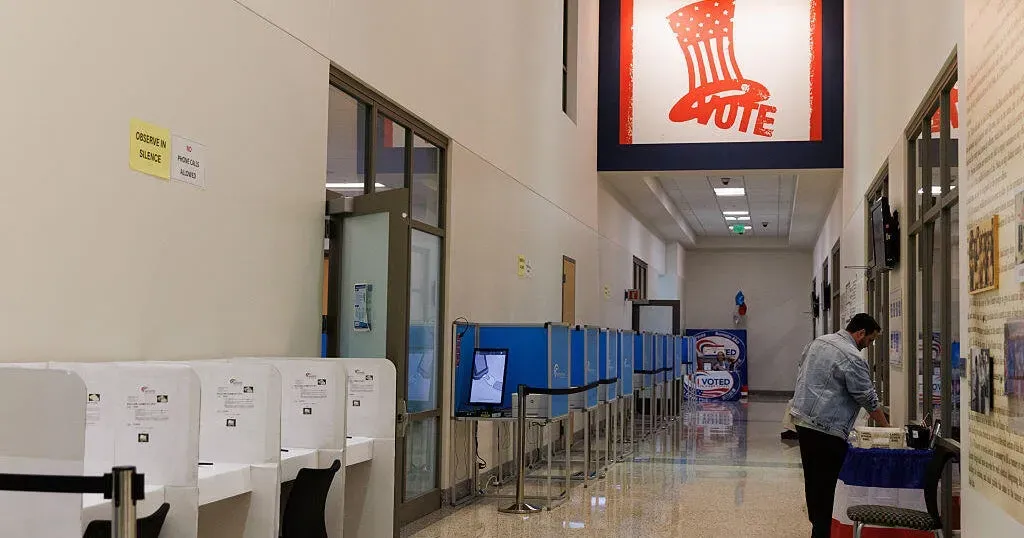
California has been conducting early voting for weeks, with millions of people already casting their ballots in the state. The timing of the appeal is significant, as it may delay or prevent the counting of these disputed votes.
The Justice Department's move marks another legal setback for President Donald Trump in his efforts to expand federal control over state-run elections ahead of the midterms. This issue has been a central focus of Trump's political messaging for years, although data suggests that noncitizen voting is extremely rare.
The issue of ballot counting has sparked controversy in California, with the Justice Department appealing a ruling that allows the state to count disputed ballots. This move was met with criticism from Trump, who blasted the decision on Thursday morning before heading to a campaign rally in South Carolina.
In his comments, Trump accused California of being "extremely corrupt and claimed there are millions of bad ballots" in the state. He did not provide evidence for this assertion, but maintained that the judge's decision was wrong and that the Justice Department would appeal it. The exact number of disputed ballots is unclear, with both sides agreeing that an unspecified number of citizens were inadvertently included.
The dispute centers on a ruling by Judge Carter, who argued that the Justice Department's demands to separate the disputed ballots from the rest of the vote count would be a clear violation of the National Voting Rights Act. This law prohibits changes to voter rolls or election procedures within 90 days of an election. Carter also expressed concerns about the reliability of the department's list of names, which he said could lead to the disenfranchisement of citizens.
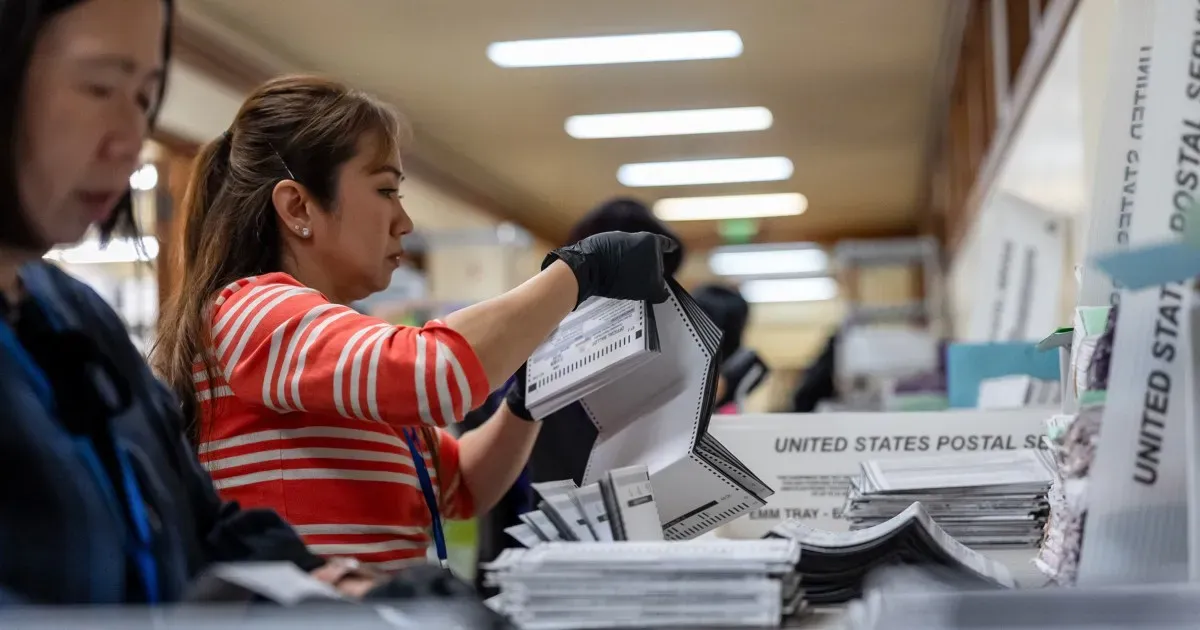
Over 500,000 votes have already been processed in Los Angeles County alone, according to court filings. The voting system in place is designed to protect voter privacy by making it impossible to trace a vote back to the person who cast it once it has been processed.
The Justice Department has appealed a ruling allowing California to count disputed ballots, awaiting a decision from Judge Carter on its request for a preliminary injunction.
If granted, this injunction would prevent the state from counting the ballots until the litigation is resolved, effectively halting the tabulation process.
Federal authorities have been cracking down on noncitizens voting in US elections, charging over two dozen foreign nationals in California as part of a statewide sweep targeting those who officials say have illegally registered or voted.
The Justice Department has maintained that preventing fraudulent voting before it happens is in the government's interest, arguing that voters won't be disenfranchised by delaying the tabulation of their ballots while their citizenship is checked.
This appeal marks the second time the 9th Circuit Court of Appeals will consider the case.
A federal appeals court has been asked to reconsider its decision allowing California to count disputed ballots in the upcoming election. This appeal marks the second time the 9th Circuit Court of Appeals will consider the case.
One judge on the panel dissented from the decision, arguing that federal law requires California to verify the citizenship status of voters before counting potentially illegal ballots. The dissenting judge claimed that failing to do so would cause irreparable harm to the election.
Facts based on reporting originally published by ABC News Politics.
You may republish this story, in full or in part, if you credit News Central Site and link to it (licence CC BY 4.0). Photos are not included.