Unique identifier found on every feline face is located on their noses
The unique nose print pattern on each cat's nose is similar to a human fingerprint, with no two cats having the same design.
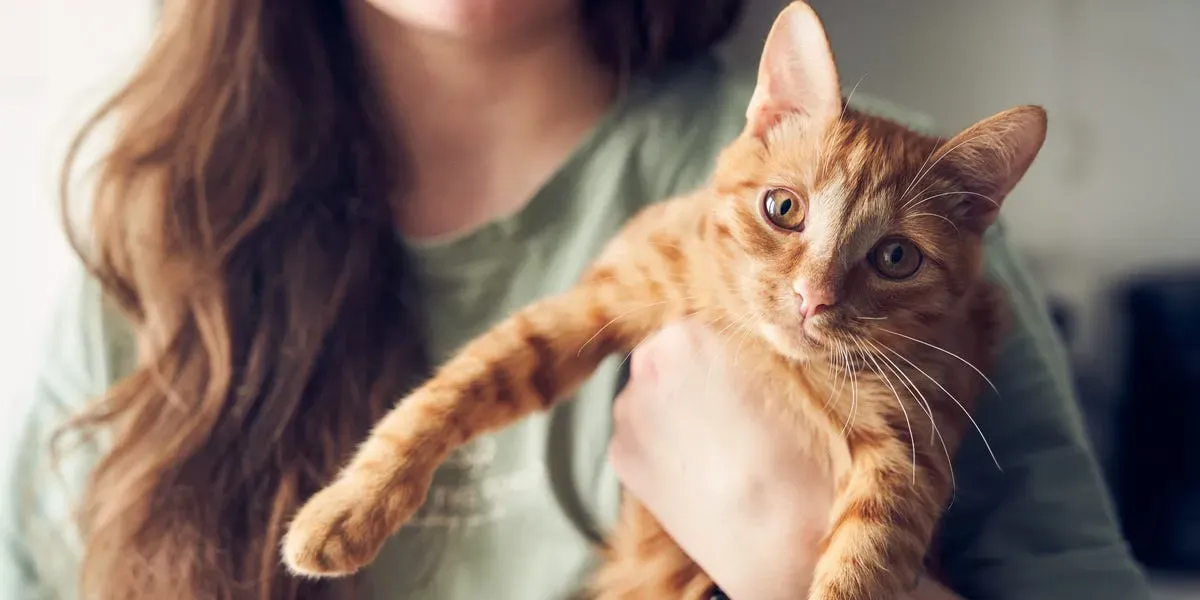
A unique identifier on every feline face is not found on their whiskers or ears, but rather on their noses - each one has a distinct pattern of bumps and ridges that can be used to identify individual cats.
This individualized nose print is similar to human fingerprints, with no two cats having the same unique design. According to Dr. Ambika Vaid, an integrative veterinarian and pet nutrition expert, every cat's nose print is as distinctive as a fingerprint.
Cats are often misunderstood as being nocturnal animals that are most active at night, but in reality they follow a natural rhythm called crepuscular, which means they are most active during twilight hours - dawn and dusk. This pattern of activity is inherited from their wild ancestors who hunted during these times.
As a result, cat owners may notice bursts of energy from their pets during these periods, followed by long naps throughout the day as their bodies adjust to this natural cycle.
Female calico cats owe their distinctive coat patterns to the X chromosome, which carries genes responsible for different colors. This genetic quirk means that female cats are almost always calico or tortoiseshell because they have two X chromosomes, allowing them to display a mix of colors.
In contrast, orange tabby cats are more likely to be male due to their single X chromosome. It's estimated that about 80 percent of orange cats are indeed males, while females with orange coats are relatively rare unless they're calico or tortoiseshell.
Cats reserve their meows for human interaction, and a closer look at feline communication reveals that cats rarely vocalize to each other. According to experts, cats never meow at one another, suggesting that this distinctive sound is uniquely aimed at humans.
Research has also shown that cats can distinguish their own names from other words, but whether they respond depends on their mood and motivation. While they may not always be receptive to hearing their name called, it's clear that cats are capable of recognizing and processing human language in some way.
Research suggests that the soothing vibrations produced by purring cats may have a calming effect on humans who interact with them.
This theory is based on the idea that exposure to these gentle hums can be restorative and promote relaxation in people.
Kneading behavior in cats is closely tied to their sense of security, often triggered when they feel safe or comfortable.
The action mimics the motion kittens use to nurse from their mothers, providing a sense of reassurance and stability.
Cats are known to associate boxes with feelings of safety and calmness, which can help reduce stress levels.
Studies have shown that cats given access to boxes adjust more quickly to new environments, such as shelters or new homes.
The simple presence of a cardboard box can serve as a powerful tool for reducing feline anxiety.
While purring is often associated with happiness, it's not the only reason why cats engage in this behavior.
Cats may also purr when they're feeling stressed or in pain, using the action as a self-soothing mechanism to calm themselves down.
This instinctual response bears some resemblance to human behaviors like humming, which can serve as a calming influence on our own emotional states.
When interacting with our feline friends, we often try to mirror their behavior in an attempt to show affection. One way to do this is by mimicking a cat's blinking pattern - blinking slowly back at them can be seen as a form of reciprocation.
Cats' whiskers are not just aesthetic features; they serve a crucial purpose. These highly sensitive sensors allow cats to detect even the slightest changes in their surroundings, giving them confidence and accuracy when navigating through dark or confined spaces.
Their ability to use these whiskers as built-in radar systems is quite remarkable. Dr. Vaid notes that this unique feature enables cats to move with ease, even in situations where visibility is limited. This highlights the importance of our feline friends' sensory capabilities.
A cat's tail can be a telling indicator of its mood. When it starts flicking rapidly, it often signals irritation or overstimulation. Dr. Vaid cautions that this behavior may be an indication for us to give them some space and allow them to calm down.
Changes in a cat's behavior can be indicative of underlying issues. For instance, excessive licking, hiding, or avoidance of the litter box may suggest stress, anxiety, or a medical condition such as arthritis or a urinary tract infection.
When a cat exhibits these behaviors, it is essential to take note and consult a veterinarian for advice. Dr. Vaid emphasizes that ignoring this warning sign can be detrimental to the cat's health.
Cats value independence and appreciate having control over their environment, which includes choices in litter box location and type.
Facts based on reporting originally published by Good Housekeeping.
You may republish this story, in full or in part, if you credit News Central Site and link to it (licence CC BY 4.0). Photos are not included.