House Calls Were Common Practice for Early Doctors
A century ago, going to the doctor typically involved a house call from a general practitioner who provided comprehensive care.
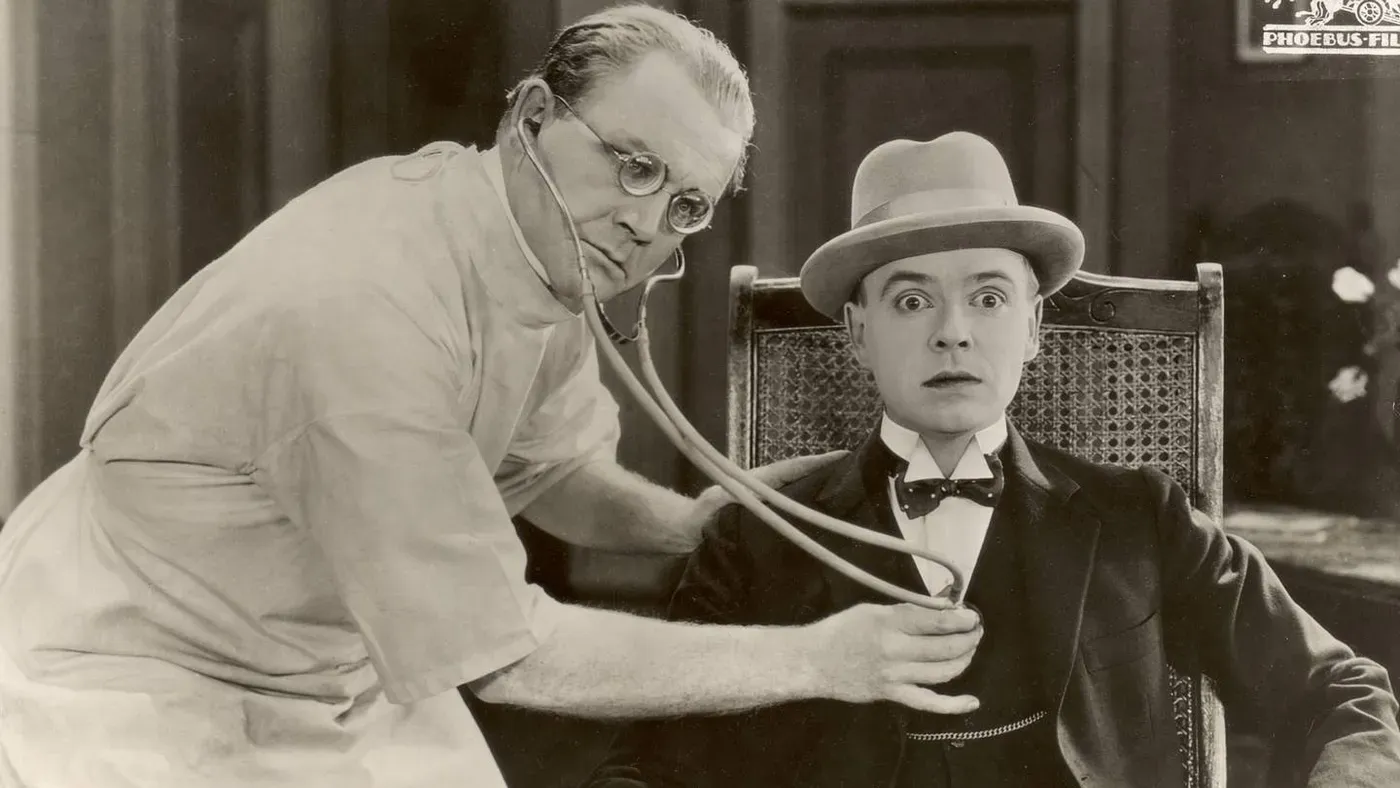
A century ago, going to the doctor was a vastly different experience than it is today. The majority of patients did not visit a hospital or clinic for treatment; instead, medical professionals made house calls. These visits were typically conducted by general practitioners who provided comprehensive care.
These primary care physicians, as they are now known, were responsible for treating a wide range of ailments and conditions. In contrast to the modern healthcare system, where specialists often focus on specific areas of medicine, these early doctors were true generalists. They would visit patients at home, assess their condition, and provide treatment without the aid of advanced imaging or lab tests.
The role of primary care physicians was more akin to that of a family doctor, providing ongoing care and advice to patients over time. This approach allowed them to build strong relationships with their patients and develop a deeper understanding of their medical needs. Their practice was often based on observation, experience, and traditional remedies rather than modern diagnostic tools.
The lack of advanced technology and specialized care meant that doctors had to rely on their own expertise and judgment when diagnosing and treating patients. This approach may seem antiquated compared to the high-tech healthcare system we have today, but it highlights the importance of a doctor's role as a trusted advisor and caregiver.
A doctor's visit 100 years ago was a home affair, with professionals known as "generalists making house calls to treat patients. These primary care physicians were often called upon for their expertise in various medical areas, rather than specializing in specific fields like they do today.
To make these diagnoses and treatments, doctors would arrive at the patient's home equipped with a range of instruments, including stethoscopes, blood pressure cuffs, and thermometers. While modern medicine has expanded the array of available treatments, morphine was still used to alleviate pain, and cathartics and purgatives" were employed to relieve constipation in certain cases.
Generalists played a crucial role in delivering medical care during this period, often performing minor surgical procedures to treat infections but not conducting major operations. Their tasks included attending to patients with fractures, chronic illnesses, and common ailments like the flu.
In cities, generalists had access to more sophisticated diagnostic tools than their rural counterparts. They could conduct urine analysis using dipsticks and cultures, as well as basic blood counts such as a complete blood count.
The range of medical tests available in urban areas was not as extensive as it is today, but it still represented a significant advantage over the limited resources available in rural communities.
Generalists in urban areas had a range of skills that enabled them to treat infections, but they did not perform surgeries at home. Their tasks included delivering babies, attending to fractures and chronic illnesses, as well as treating common sicknesses like the flu. In addition to their clinical expertise, generalists in cities also had access to more extensive medical testing facilities compared to rural communities.
The rise of automobiles made it easier for patients to travel to a doctor's home, which often doubled as their office. Patients would arrive on a first-come, first-served basis, indicating that appointments were not always necessary or even possible. This arrangement was likely due to the limited number of doctors and medical facilities available in urban areas.
It is worth noting that the medical profession at this time was predominantly male, with generalists and surgeons being mostly men. Female staff, on the other hand, were typically confined to roles such as receptionists and nurses.
The hospital was not a place where patients went for treatment, but rather a last resort when they were terminally ill. This was largely due to the scarcity of specialists in various medical fields and the lack of advanced equipment such as antibiotics, IV fluids, CT scans, MRIs, ultrasounds, or X-ray machines.
The absence of these modern medical tools meant that hospitals focused more on providing palliative care rather than treating patients with curative intent. This limited role of hospitals highlights the significant challenges faced by healthcare systems a century ago.
Medical professionals in 1926 played a multifaceted role that extended beyond treatment of patients. In addition to administering care, doctors were also responsible for keeping families informed about their loved ones' condition.
The gravity of this responsibility was underscored by the high mortality rate among new mothers. Approximately one in every hundred women died during childbirth in 1926 due to inadequate medication and limited medical tools.
Improved sanitation practices contributed to a decline in infant mortality rates, although the overall number remained alarmingly high. This reduction in infant deaths can be attributed in part to better milk hygiene and sanitation standards.
Vaccination options were severely limited at this time, with only smallpox being effectively treated through immunization. As a result, people suffering from diseases such as diphtheria, measles, whooping cough, and tuberculosis relied on their immune system alone to fight off illness.
The availability of vaccines for these diseases would not be expanded until much later, leading to higher death rates compared to modern times.
Medical facilities 100 years ago were far from what we consider standard today. Patients undergoing abdominal surgery had a relatively high survival rate of 75%, but brain and heart operations remained extremely rare due to limited medical knowledge and technology.
The scarcity of effective surgical tools was evident in the lack of equipment to manage breathing during procedures. Anesthesia, although available in the form of chloroform, was not sufficient to counterbalance the risks associated with surgery at that time.
Survival rates were further compromised by the absence of a transitional space like the intensive care unit (ICU). This meant patients often succumbed to complications such as blood loss or infection following surgery due to inadequate treatment options.
In the midst of these challenges, medical care was often provided on an emergency basis. Doctors would typically make house calls when needed, and patients visiting a doctor's office were seen without prior scheduling, adding to the difficulties faced by those seeking medical attention.
The medical landscape was vastly different 100 years ago, particularly after World War II when there was a shortage of physicians. This scarcity led to an informal approach to seeking medical care, where patients didn't schedule appointments in advance.
Doctors made house calls whenever necessary, and those who visited a doctor's office were seen on a first-come, first-served basis. There was no concept of reminders for follow-up appointments or annual check-ups like we have today.
The lack of formal scheduling and infrastructure added to the difficulties faced by people seeking medical attention. It was either a matter of calling in a doctor to come to their home or driving to visit one at an office.
Facts based on reporting originally published by Mental Floss.
You may republish this story, in full or in part, if you credit News Central Site and link to it (licence CC BY 4.0). Photos are not included.