UN Climate Talks Collapse Amid Fossil Fuel Disagreements
Pacific island nations have expressed deep despair over the collapse of UN climate talks in Turkey, citing a collective failure to address the climate crisis. The small nations are among those most vulnerable to rising sea levels caused by global warming.
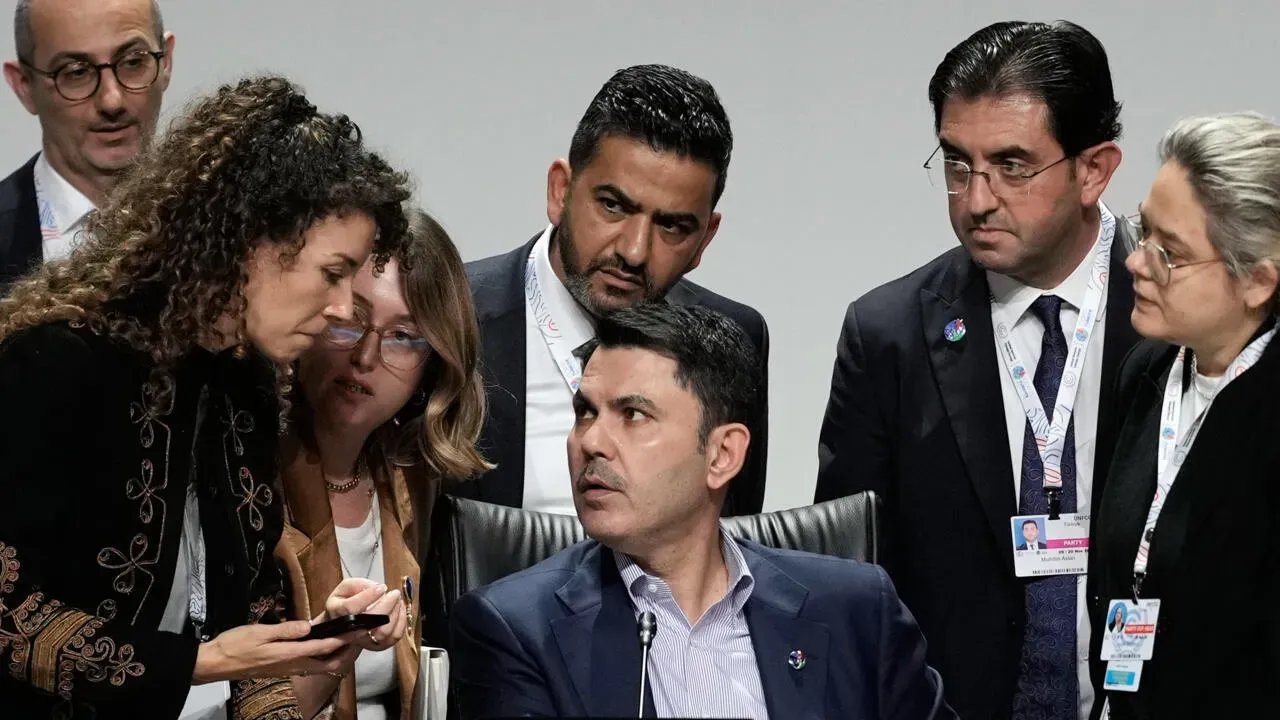
Pacific island nations have expressed deep despair over the collapse of UN climate talks in Turkey, citing a collective failure to address the climate crisis. The small nations are among those most vulnerable to rising sea levels caused by global warming.
The finger of blame is being pointed at various countries, with some opposition politicians in Australia calling for the resignation of Energy Minister Chris Bowen, who led the negotiations as president of COP31. However, it appears that the real issue lies in the inability of countries to work together.
A final agreement was rejected due to pressure from oil-producing nations like Saudi Arabia, which opposed any mention of fossil fuels' role in global warming. This lack of a collective approach has resulted in the collapse of the talks for the first time since Copenhagen in 2009.
The failure comes at a critical juncture, as the UN's environmental body has confirmed that global temperatures are set to exceed the 1.5°C threshold, leading to more extreme weather events. This lack of collective action is causing a sense of desperation among nations most vulnerable to climate change impacts.
The Australian government's handling of the COP31 talks has come under fire from opposition leaders, who are calling for a change in leadership.
Angus Taylor, a right-wing member of the Australian parliament, has been vocal in his criticism of Chris Bowen, the country's climate minister. In a scathing assessment, Taylor described Bowen as "a complete and utter failure" when it comes to addressing the nation's climate commitments.
Bowen, however, shifted the blame for the summit's lack of progress onto other countries' strong stance on climate change. He pointed out that many nations had drawn red lines around their demands, making it difficult to reach a unified agreement.
The climate minister also acknowledged that the talks took place in a highly charged geopolitical environment, with soaring energy prices and the ongoing fallout from the Middle East war adding to the pressure for unity.
As countries struggled to find common ground on fossil fuels, Bowen's plan to secure an overarching "cover decision began to unravel.
Australia's opposition members expressed outrage over the country's handling of COP31, questioning Prime Minister Anthony Albanese about his decision-making process in the parliament.
Albanese faced scrutiny for not taking firmer action against Environment Minister Bowen, who had been leading Australia's climate negotiations at the conference, despite the country investing heavily in it. The opposition members pointed out that A$150 million ($99.23 million) had been spent on COP31 with little to show for it.
Albanese did not directly address whether he would ask Bowen to step down, but reiterated his government's commitment to addressing climate change. He emphasized the importance of Australia acting in its national interest, stating Whether it's environmental security or national security, we act in Australia's national interest.
The UN Secretary-General Antonio Guterres shared the frustration and disappointment of those who had expected more from COP31. In a statement, he expressed his deep dismay at the lack of progress made during the conference.
The record overtime session on Sunday highlighted the failure to reach a final agreement, despite the presence of over 190 countries and more than 92,000 registered participants, making it provisionally the largest UN climate conference on record.
The international community has been left reeling after the failure to reach a final agreement at COP31, and Pacific island nations are among those expressing their deep disappointment.
Foreign ministry spokesman Guo Jiakun emphasized that addressing climate change is a collective responsibility, stating it's a shared undertaking for humanity that cannot be ignored. He also highlighted the irreversible shift towards low-carbon development globally.
Pacific island nations, particularly vulnerable to rising sea levels and other climate-related threats, have been left feeling let down by the lack of progress at COP31. The Marshall Islands delegation issued a statement expressing their deep disappointment with the outcome.
Tuvalu's climate minister, Maina Talia, expressed concern about the lack of commitment to put the world back on track for the global temperature goal, stating listening to parties who diminish the credibility of signs of climate change is disappointing".
Facts based on reporting originally published by France 24 English.
You may republish this story, in full or in part, if you credit News Central Site and link to it (licence CC BY 4.0). Photos are not included.