Police Violence Alleged in France Amid Ongoing Protests
Videos depicting alleged police brutality against civilians have been circulating widely on French social media platforms amidst ongoing protests across the country.
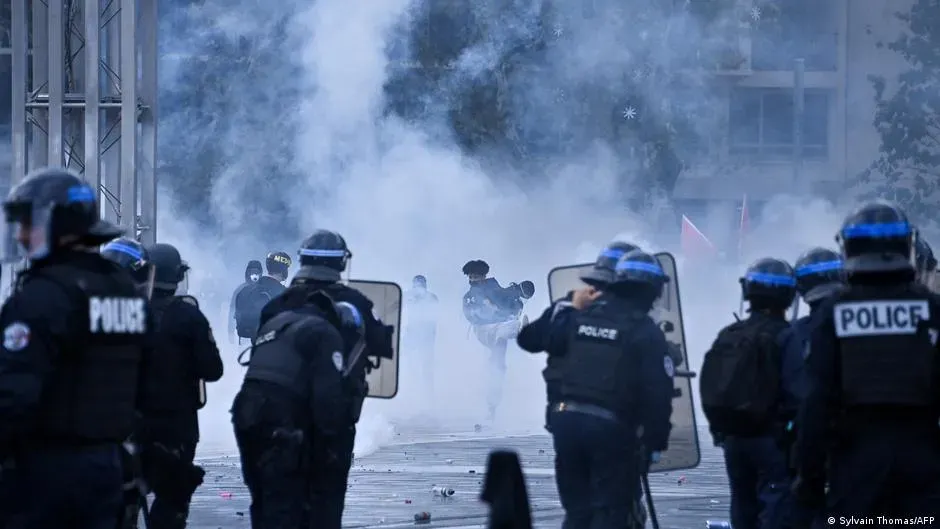
Videos depicting alleged police brutality against civilians have been circulating widely on French social media platforms amidst ongoing protests across the country. The footage shows officers physically abusing individuals, including a man who is beaten to the ground and dragged away unconscious, and another young person who is grabbed from behind and yanked by the neck.
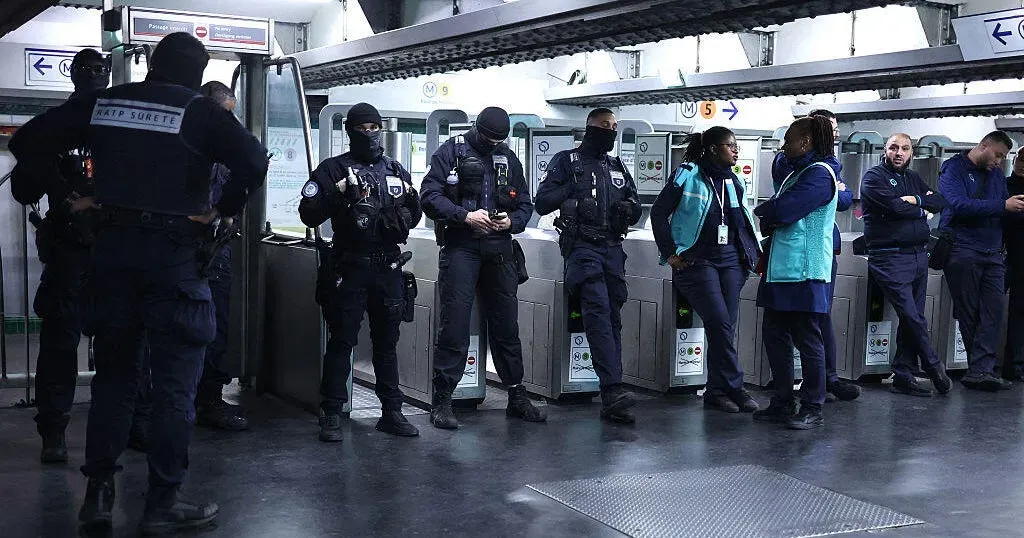
Criticism of the French police has intensified in recent weeks, with human rights groups condemning not only their use of force but also the deployment of stun grenades and rubber bullets. France's law enforcement agencies are among the most heavily armed in Europe, raising concerns about the potential for excessive violence. Several protesters have suffered severe injuries during demonstrations, including teenagers who sustained life-altering wounds.
One teenager had a hand amputated, while another lost vision in one eye and a third suffered a broken jaw. These incidents have sparked outrage and raised questions about the French police's methods and equipment. Rights groups are calling for greater accountability and transparency within the force.
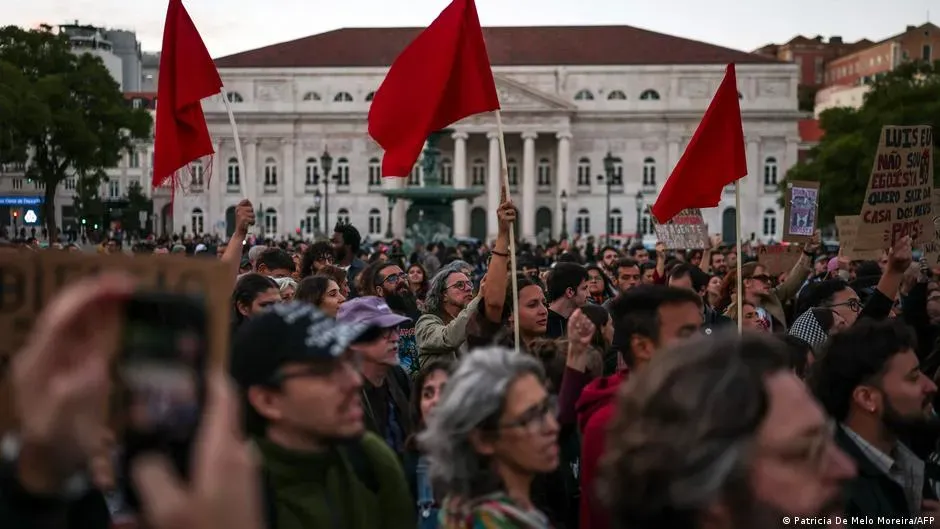
The protests themselves drew hundreds of thousands of people into the streets on Saturday, with most demonstrators expressing their discontent peacefully. The protesters' grievances included opposition to public sector cuts, growing concerns over living costs, and demands for improved working conditions in schools.
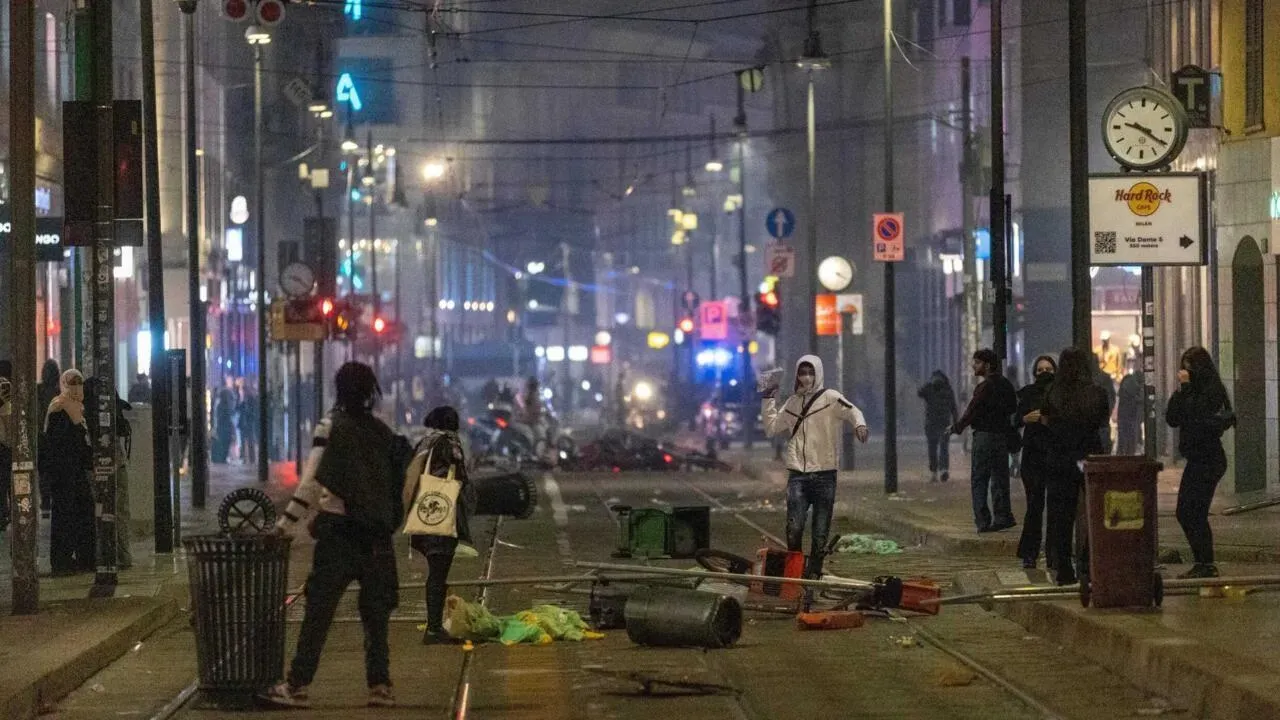
The protests in France have become increasingly violent, with rioters taking advantage of the situation to burn buildings, loot stores, and hurl projectiles at the police. This has created a challenging environment for law enforcement officers and emergency services personnel.
The recent unrest was sparked by high-school students who barricaded school buildings to draw attention to a shortage of teachers and dilapidated infrastructure. Their actions are part of a larger movement that is expected to continue this weekend, with the French government announcing plans to deploy military forces.
The French police have access to a more extensive arsenal than many European countries, including the LBD-40 gun, which fires rubber bullets. In contrast, nations like the UK and Germany generally prohibit the use of rubber bullets in protests, whereas Spain allows them but notes that they cause fewer injuries than in France.
Criminology experts argue that even with guidelines in place to regulate their use, rubber bullets can be extremely hazardous. As Anastassia Tsoukala points out, "people may move and then all of a sudden they may lose one eye."
The use of tear gas is a common practice among law enforcement agencies across Europe, including France.
However, it's the French police's reliance on stun grenades that sets them apart from their counterparts in other EU countries.
These grenades contain high levels of explosive substances, making France unique in this regard.
Minister of the Interior Laurent Nunez has maintained that the equipment used by the police is non-lethal, but some of these items are classified as "war material" under France's internal security code.
Some of the policing methods employed by the French have come under renewed scrutiny following reports of injuries sustained during protests.
The French police's equipment and tactics have been shaped by the country's political climate.
According to an expert on policing, the decision on what equipment the police use is ultimately made by the government. This has led to some concerning outcomes, such as the widespread adoption of LBDs for crowd control despite their original intended use being for specialized units like anti-organized crime teams.
This shift in purpose reflects a broader change in how France's politicians view protests and public dissent. The expert notes that the way politicians think about handling demonstrations has evolved significantly over time, with more emphasis on forceful suppression rather than de-escalation.
In contrast to French policing methods, German police are generally trained to avoid escalating situations.
International standards for policing dictate that the use of force should be exceptional, reserved for specific situations such as preventing crime or making lawful arrests. The principle of proportionality is also key, meaning officers should use no more force than necessary to achieve their objectives.
The French Interior Minister has maintained in radio interviews that police have generally adhered to this principle during recent protests. However, human rights groups are sounding the alarm about the disproportionate response from authorities. Amnesty International has urged French authorities to uphold their human rights obligations.
Criticism is also coming from within France's own League of Human Rights, which condemns the violent repression of high school protest movements as unacceptable. Despite efforts to engage with police unions and the Interior Ministry, no official responses were received before publication time. Experts continue to express concerns about the handling of protests by French law enforcement.
When speaking publicly about the protests in Marseille, Interior Minister Nunez acknowledged the complexity of policing multiple groups simultaneously. He credited officers for their commitment to preventing crimes during the demonstrations.
The French government has emphasized the importance of protecting human life and safety during public order situations. According to jurist Sylvie Tsoukala, maintaining this value is a non-negotiable principle that must be upheld.
The lack of an independent watchdog for the French police is also a concern. The IGPN, which investigates internal problems, has reportedly opened at least 40 cases since the start of the latest protests. This raises questions about accountability and oversight within the force.
Tsoukala argues that leniency and a lack of transparency are widespread issues across Europe when it comes to police brutality cases. She points out that in many countries, including the UK and Denmark, independent watchdogs handle investigations differently.
Facts based on reporting originally published by DW English.
You may republish this story, in full or in part, if you credit News Central Site and link to it (licence CC BY 4.0). Photos are not included.