TSA Liquid Limit Remains at 3.4 Ounces per Container
The Transportation Security Administration (TSA) enforces a rule that limits liquids to 3.4 ounces per container and requires them to fit in a single clear quart-sized bag.
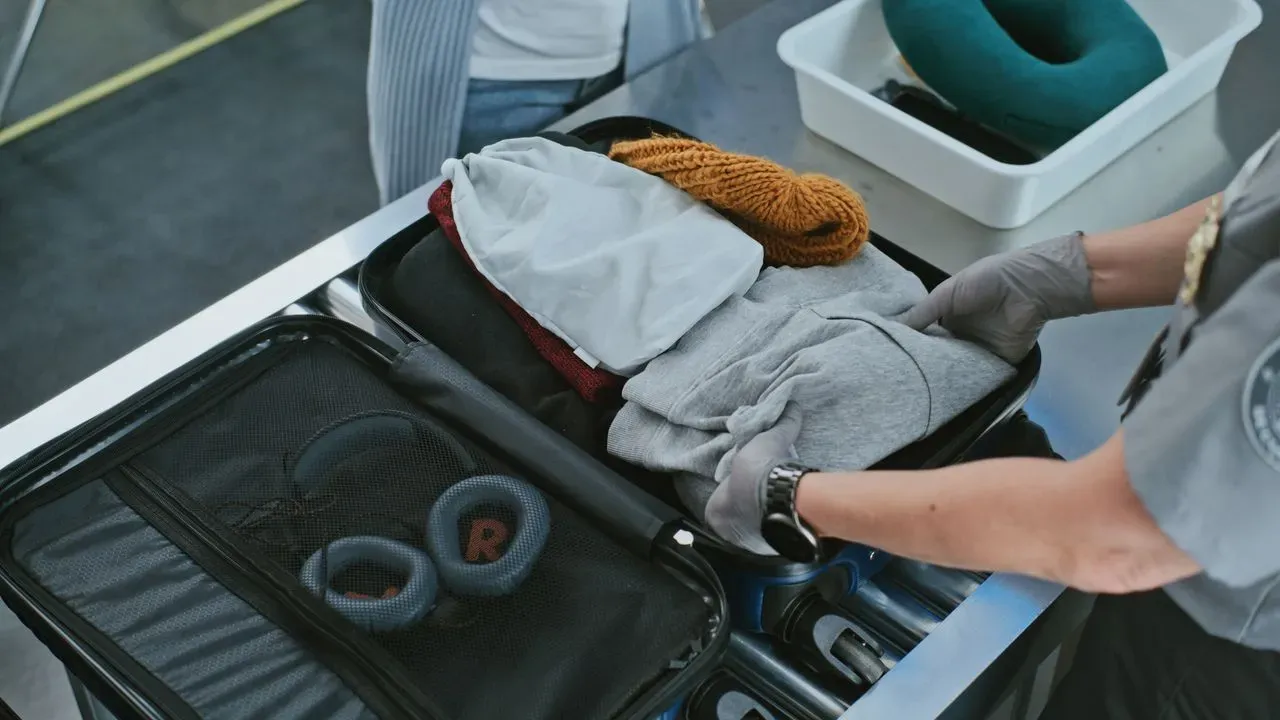
Travelers have grown accustomed to carefully packing liquids in their carry-on bags to comply with the TSA's liquid limit and avoid having valuable items confiscated at security checkpoints.
The limit is set at 3.4 ounces (100 mL) per container, and all of them must fit inside a single, clear quart-sized bag for easy inspection by airport staff.
Liquids, aerosols, and gels, collectively known as LAGs, encompass a wide range of substances, from travel essentials like shampoo and sunscreen to common household items such as toothpaste and peanut butter.
These regulations were first introduced in August 2006, after British authorities foiled a terrorist plot involving liquid explosives on flights between London and the US and Canada, prompting countries worldwide to implement similar security measures at their airports.
The Transportation Security Administration (TSA) has since become the primary authority enforcing this rule across the United States.
Travelers in the US are allowed to take 10 common full-size liquids through airport security checkpoints without any issues.
To transport oversized approved liquids, passengers must declare them to a security officer before screening and place them in a separate bin for examination.
Items that trigger the alarm during screening will be subject to further inspection by security personnel.
Airport security regulations can seem complex, but there are some key things to remember when it comes to carrying full-size liquids on board.
Medication prescribed specifically for travelers is considered an exception to the standard rules regarding oversized liquids.
When it comes to carrying liquids on a flight, there are certain items that can be exempt from the standard 3-1-1 rule. One such item is medication prescribed specifically for travelers, which is considered an exception.
However, not all medications fall under this category. Prescription wet pet food, for instance, must adhere to the 3-1-1 rule and cannot be treated as an exception, even if it's intended for a service animal.
Passengers with medical conditions may also bring certain items on board, such as inhalers, insulin, or nebulizer liquid. These items can be carried in reasonable quantities, but they must be declared to security officers before passing through screening.
It's essential that all medications and medical supplies are properly labeled to facilitate a smooth security process. Contact lens solution is also permitted in containers of up to 4 ounces.
Travelers who plan to bring perishable items on board can use gel ice packs or freezer packs, including frozen water bottles. However, these items must be frozen solid when they pass through security, and any partially melted portion will count toward the 3-1-1 limit.
Breast milk and infant formula can be carried on board flights as medically necessary liquids, making traveling with infants slightly easier for parents.
These items are allowed in clear and translucent bottles to facilitate screening by Bottle Liquid Scanners, although it's recommended but not required that they be transported in such containers.
While there is a possibility of being asked to open these bottles during the screening process, nothing will be placed inside them, ensuring their contents remain intact.
The TSA also notes that the screening process should not affect the formula, and alternative testing methods can be requested if passengers prefer their baby's food not to be X-rayed.
This accommodation applies specifically to breast milk and infant formula, which are considered medically necessary liquids.
Passengers traveling by air can bring a variety of full-sized liquid items on board as long as they meet specific requirements.
In addition to medically necessary liquids like breast milk and infant formula, passengers can also transport equipment that is protected against accidental activation or heat evolution, with battery voltage limited to 12 volts or less and wattage under 100 hours.
Eggs are another item that can be carried on board in a passenger's carry-on bag without adhering to the 3-1-1 rules for liquids.
Liquid yolks contained within eggs may require removal from the carry-on bag for proper inspection by security personnel using X-ray machines.
Certain airlines permit live lobster as part of checked baggage, but passengers should check with their carrier before traveling.
When shopping for duty-free items at airports, passengers on inbound international flights may be able to bring certain liquids home in their carry-on bags without adhering to standard liquid restrictions. However, these liquids must be properly sealed by the retailer in a security tamper-evident bag (STEB) and show no signs of being tampered with.
To qualify for this exemption, purchases must have been made within 48 hours and passengers should retain their original receipt as proof. This exemption was introduced globally in 2008 to allow an exception to liquid volume rules for items bought at duty-free airport retailers or on board an aircraft, according to the International Civil Aviation Organization.
Not all airports offer the STEB option, so it's essential to check with the retailer before making a purchase. For US travelers, this exemption is limited to inbound international flights, as per guidelines set by the Transportation Security Administration (TSA).
Facts based on reporting originally published by Conde Nast Traveler.
You may republish this story, in full or in part, if you credit News Central Site and link to it (licence CC BY 4.0). Photos are not included.