Tina Aswani-Omprakash Returns to India After 25 Years Abroad
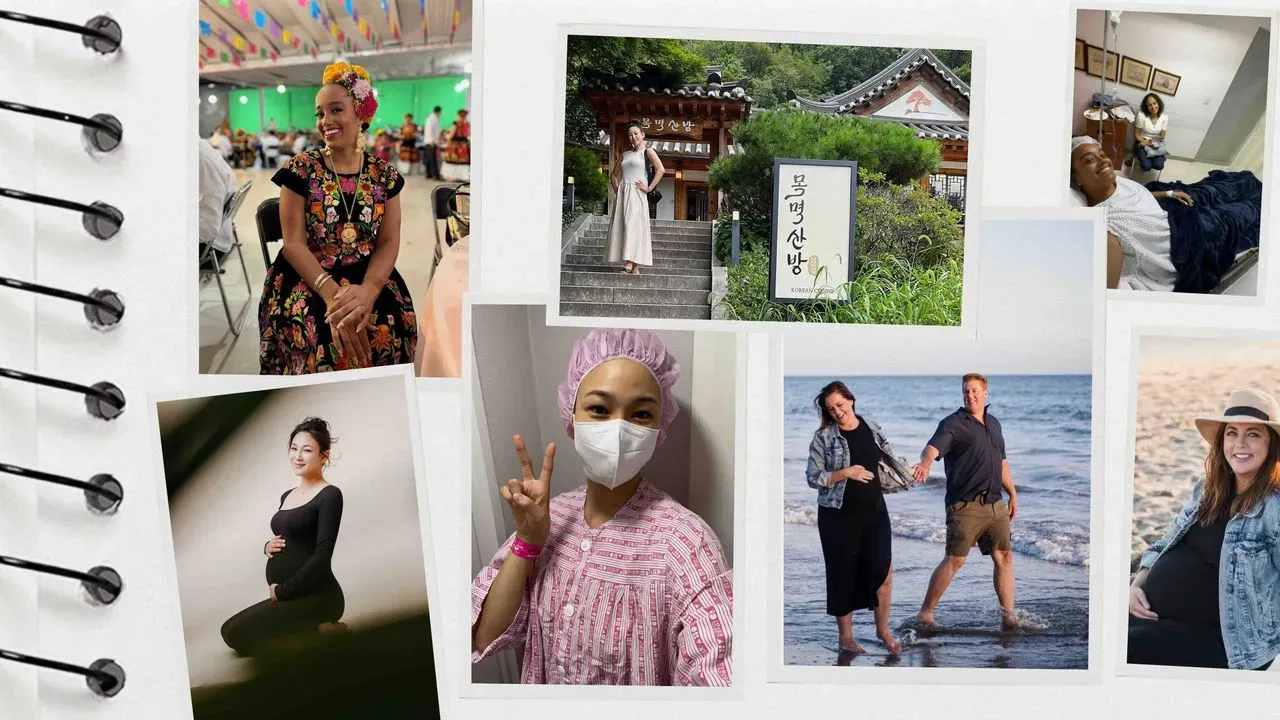
After nearly 25 years abroad, Tina Aswani-Omprakash has finally returned to India and is reconnecting with her roots and family.
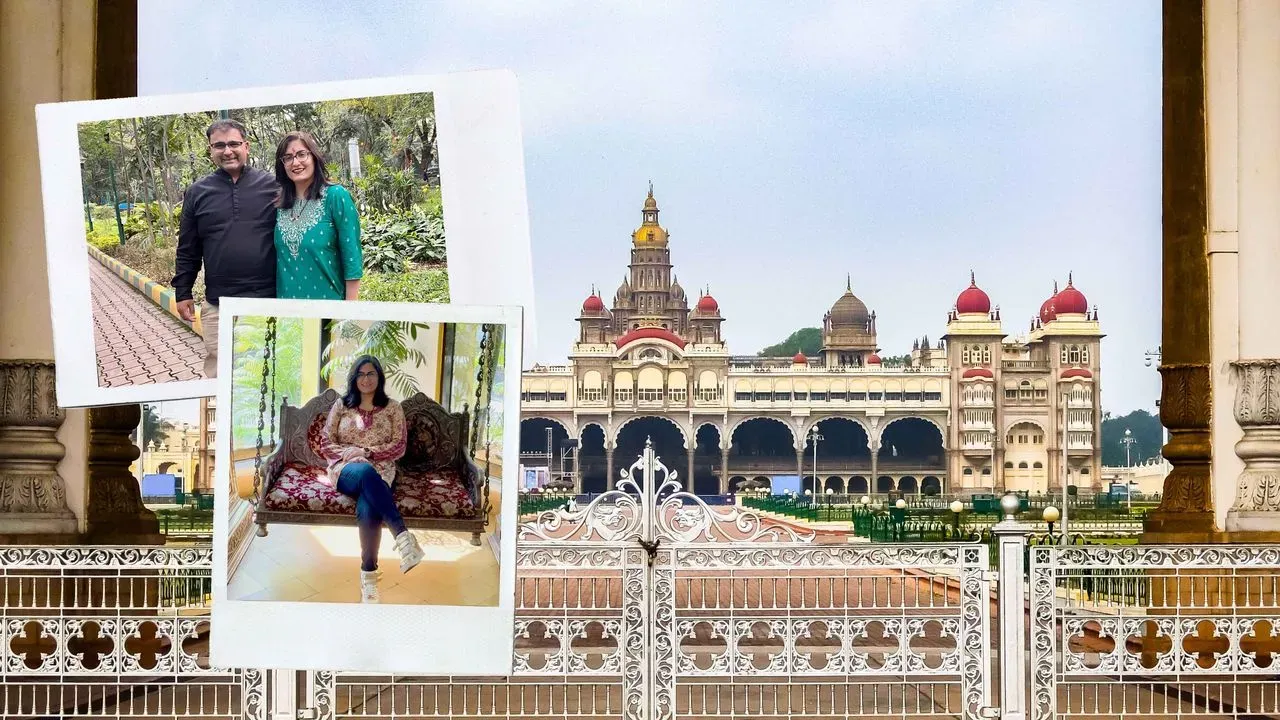
Tina Aswani-Omprakash, a woman living with Crohn's disease, has finally returned to India after nearly 25 years abroad. Her journey was not without its challenges, but it marked an important milestone in her life.
The trip allowed Aswani-Omprakash to reconnect with her roots, family, and food she had previously avoided due to her condition. This experience was made possible through careful preparation and the support of her doctors. It's clear that her health journey has been a long and difficult one.
Aswani-Omprakash has undergone over 20 surgeries and struggled with debilitating illness for many years. The trip was a testament to her perseverance and determination to live life to the fullest despite her condition. Her experience highlights the impact of travel on our sense of connection to culture.
The journey itself involved exploring historic palaces, temples, and meeting relatives for the first time. This blend of cultural immersion and family connections likely played a significant role in Aswani-Omprakash's healing process. It's clear that her trip to India was about more than just sightseeing.
As part of her travels, Aswani-Omprakash took a tuk-tuk ride up the Chamundi Hills near Mysuru, India, which lasted around 30 minutes. The experience was significant for her, marking an important moment in her journey towards healing and self-discovery.
The symptoms of inflammatory bowel disease can be unpredictable and debilitating, affecting areas far beyond the digestive system. For some individuals, this can lead to a multitude of issues, including joint pain, eye problems, constipation, and gastroesophageal reflux disease (GERD). These extraintestinal manifestations often require a multifaceted approach to manage.
As a child, I experienced these symptoms firsthand, but at the time, my doctors didn't connect them to an underlying condition. It wasn't until much later that I received a diagnosis of inflammatory bowel disease, specifically, ulcerative colitis, in 2006. The journey to this point was marked by periods of intense discomfort and uncertainty.
Traveling with IBD can be particularly challenging due to the unpredictability of flare-ups and the need for constant vigilance. Even short trips or simple activities could become daunting tasks, filled with anxiety about potential complications. This fear often led me to avoid traveling altogether, even when it was something I deeply desired.
My experiences with street food in India were especially memorable, or rather, unforgettable. A day trip to the Taj Mahal from New Delhi ended with all of us eating at a local market stall. The consequences were swift and severe, leaving me severely ill for weeks afterwards.
My health issues had become so debilitating that I was forced to stop working several years ago and live on disability benefits.
The thought of my condition eventually killing me seemed like a very real possibility, leaving me feeling lost and uncertain about my future.
Over the course of two years, my symptoms worsened dramatically, causing severe bleeding and significant weight loss among other complications.
These debilitating symptoms made everyday life a challenge, and I often wondered how much longer I could cope with this level of suffering.
On July 4, 2008, I underwent a major surgery to remove my colon, a decision that would later prove to be both liberating and complicated.
To minimize health risks, my doctors ordered additional tests, including an intestinal ultrasound, to rule out any complications in my digestive system. They also prescribed antibiotics, steroids, and probiotics as a precautionary measure against potential flare-ups or traveler's diarrhea.
When planning our trip, my husband and I booked a hotel that offered a range of amenities, including filtered water and a private bathroom with easy access for overnight trips. Our relatives were not entirely supportive of this decision, but it provided us with the comfort and security we needed during our time in India.
To reduce my chances of getting ill, I took precautions by avoiding street vendors and opting for hot foods only. Despite these restrictions, I was still able to enjoy a wide variety of delicious and authentic local cuisine.
In Mysuru, we discovered a restaurant called MTR that specialized in South Indian dishes like dosas, which are a particular favorite of mine. The lentil soup often served with dosas can be quite spicy, but the staff is happy to accommodate requests for plain dosas with potatoes instead.
This adaptation allowed us to indulge in local flavors while minimizing the risk of triggering an IBD flare-up. It was a small but significant victory to enjoy our time in India without compromising my health.
Cultural differences played a significant role in my journey towards diagnosis and treatment. I encountered numerous obstacles that tested my resolve, from navigating unfamiliar medical procedures to confronting deeply ingrained family values. My relatives' experiences during the 1947 partition of India and Pakistan had left an indelible mark on our family's perspective, fueling a deep-seated mistrust of Western medicine.
This skepticism was particularly pronounced in my own family, who had lost trust in the West due to past traumas. As a result, they were extremely hesitant about seeking medical attention or undergoing surgery. Their concerns not only affected my well-being but also had far-reaching implications for our community's values and traditions. The pressure to conform to societal expectations weighed heavily on me, particularly regarding marriageability and family reputation.
My family history of Crohn's disease and colorectal cancer added an extra layer of complexity to my situation. My father's untimely passing from these conditions when I was just eight years old left a lasting impact on our family. Despite this inheritance, I had to fight for the medical attention I needed, advocating tirelessly for myself until I finally received the colonoscopy that would provide me with answers and treatment options.
As I navigated this challenging period, I began to realize that fear is not an insurmountable obstacle but rather a mindset that can be overcome. By acknowledging and confronting my fears, I was able to tap into a reservoir of inner strength and resilience that enabled me to push through even the most daunting challenges.
Traveling to India for treatment required a tremendous amount of courage and determination, especially considering the unfamiliar foods and surroundings that threatened to trigger my condition. Yet, it was precisely this journey that allowed me to reclaim control over my life and find peace with my diagnosis, ultimately transforming my relationship with my health and well-being.
The journey through India allowed me to reclaim control over my life and find peace with my diagnosis, transforming my relationship with my health and well-being.
Through my own struggles with IBD, I've come to understand the importance of culturally sensitive resources for patients, caregivers, and healthcare providers. That's why I co-founded the Strategic Alliance for Intercultural Advocacy in GI, a nonprofit that aims to improve treatment and access to care.
Travel has been instrumental in helping me grow and own my chronic illness, and it can be a powerful tool for others as well, even if only taken in small steps at first.
Facts based on reporting originally published by Conde Nast Traveler.
You may republish this story, in full or in part, if you credit News Central Site and link to it (licence CC BY 4.0). Photos are not included.