Portable First-Aid Kits Essential for Travelers
A well-stocked first-aid kit can help prevent and treat minor ailments that may arise while traveling.
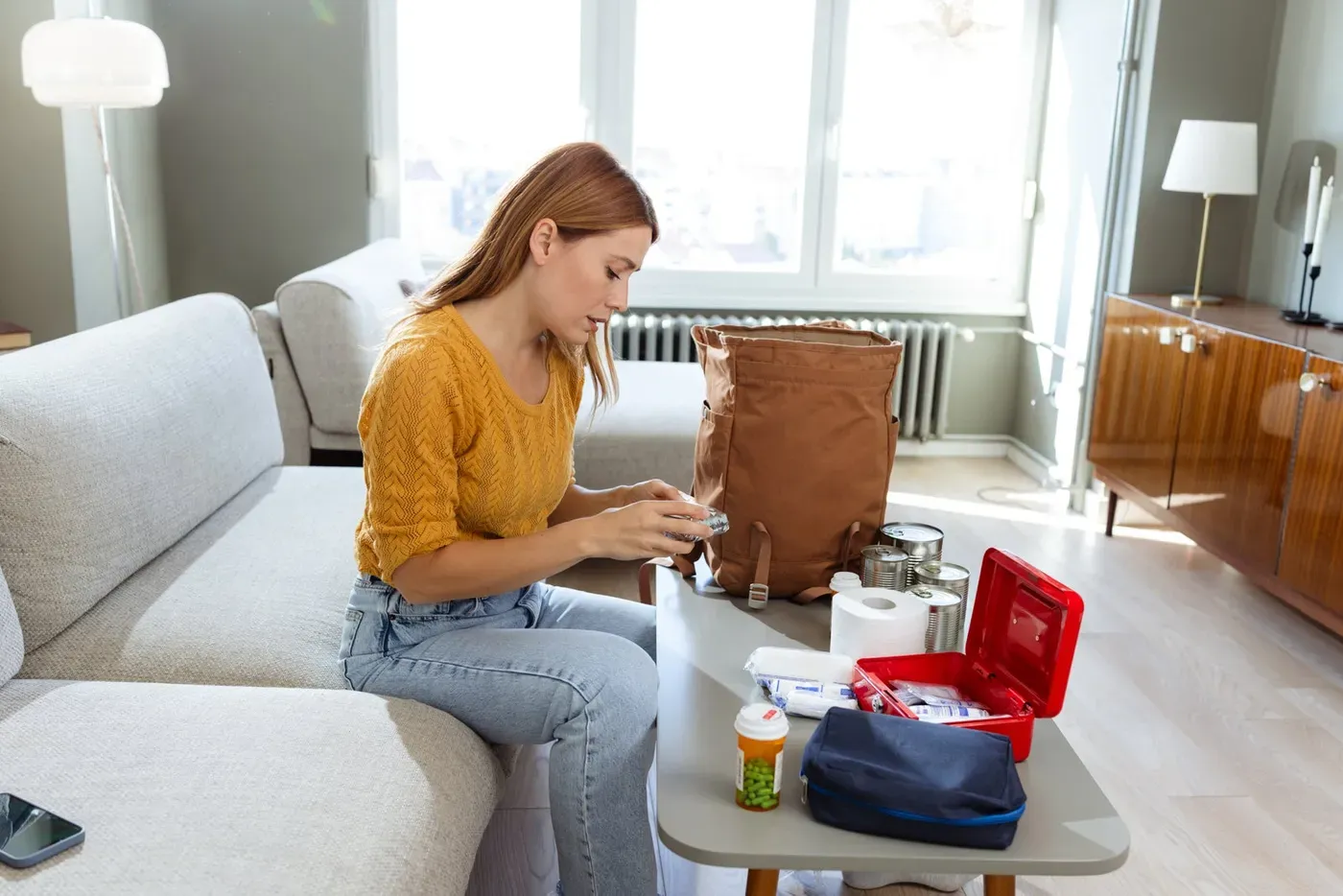
A well-stocked travel first-aid kit can be a lifesaver when on vacation, helping to prevent and treat minor ailments that may arise unexpectedly.
One of the primary concerns while traveling is access to medical supplies in unfamiliar places, particularly if you're visiting areas with limited healthcare facilities or speaking a different language. In such situations, having essential medications and remedies readily available can be a huge relief.
To avoid any potential health issues, it's essential to pack a portable first-aid kit that includes basic medications for common conditions.
For travelers with severe allergies, carrying prescription antihistamines or an Epi-Pen is usually a must-have item, but even those without such allergies should still consider packing over-the-counter allergy pills and antihistamine eye drops. This can help prevent reactions to new allergens encountered while traveling.
Many people also find that anti-itch cream comes in handy for treating heat rashes, bug bites, or other minor skin irritations that may occur during a trip.
Having a well-stocked first-aid kit is crucial for any traveler, not just to alleviate discomfort but also to prevent infections that could lead to more serious health issues.
To ensure proper wound care, it's essential to clean the affected area before applying a bandage. Due to security restrictions on liquids, antiseptic wipes are a convenient alternative to traditional cleaning agents like rubbing alcohol or antiseptic sprays.
In situations where bleeding is severe and medical help is delayed, hemostatic gauze can be a lifesaver. This type of gauze contains chemicals that promote blood coagulation, allowing the body to form clots more quickly.
To use hemostatic gauze effectively, it's crucial to pack it tightly inside the wound, applying firm pressure to control bleeding. This technique is particularly useful in wilderness situations where medical assistance may be hours away.
Meanwhile, emergency trauma dressings, also known as Israeli bandages, offer a high level of pressure application, with some models capable of generating up to 40 pounds of pressure. It's vital to familiarize yourself with the proper use of these devices before including them in your first-aid kit.
A first-aid kit is not complete without a pair of tweezers, which are essential for removing splinters that may occur during travel. Trauma shears or a multitool can also be lifesavers in emergency situations where rapid removal of clothing is necessary.
When choosing trauma shears or a multitool, consider one with additional features such as a built-in strap cutter, glass breaker, and oxygen tank wrench. These tools can prove invaluable in a variety of scenarios, from cutting through seatbelts to breaking glass for escape.
A good flashlight is another crucial item to pack, not only for treating injuries that occur after dark but also for preventing them altogether. A bright light will illuminate your path, helping you avoid tripping hazards and making it easier for others to locate you if needed.
Some flashlights are designed specifically for travel, offering compact designs under four inches in length yet capable of producing beams that reach over 200 feet. These pocket-sized options are often USB rechargeable, ensuring they remain a reliable source of light throughout your journey.
Sun protection is another often-overlooked aspect of first-aid kit packing. While it may seem unnecessary to apply sunscreen while strolling through a city, burns can still occur without warning. Packing a small bottle of sunscreen or an aloe vera gel to soothe any burns that do develop will provide peace of mind and help prevent discomfort.
When dealing with everyday aches and pains while traveling, ice packs can provide instant relief without needing to access a freezer. They come in single-use chemical form, activated by pressing or squeezing to trigger an endothermic reaction.
Instant ice packs often contain TSA-regulated ammonium nitrate, but they are still allowed in carry-on or checked bags as long as their individual capacity and overall quantity do not exceed TSA limits.
Travel can also bring its own set of health issues, such as viruses caught on airplanes, motion sickness from boat rides, or stomach problems caused by overindulging in new foods. Some countries even restrict common remedies, making it difficult to obtain them without a prescription.
To be prepared for unexpected medical needs, many people pack travel-sized quantities of over-the-counter painkillers, stomach settlers, and sleep aids in their first-aid kit. Using a pill container helps keep these items organized and easily accessible.
Before finalizing the contents of your first-aid kit, it's essential to review the regulations on traveling with medicine for your destination to avoid any potential issues. This includes checking what medications are allowed and whether you need a prescription to obtain them locally.
Investing in a portable defibrillator like St. John Ambulance's Pocket AED may be worth considering if you or a travel companion has heart health concerns, given the device's compact size and potentially life-saving capabilities.
When assembling your travel first-aid kit, you have two main options: purchasing travel-size portions of common remedies or repurposing existing medication from home. The latter can be done by acquiring a pill container with pre-printed labels and refilling it from larger bottles.
For those who prefer convenience, pre-packed first-aid kits designed for travel are also available, often featuring waterproof designs suitable for beachgoers.
Facts based on reporting originally published by The Points Guy.
You may republish this story, in full or in part, if you credit News Central Site and link to it (licence CC BY 4.0). Photos are not included.