The Only Living Pickpocket in New York Hits Theaters Nationwide
A new movie about a struggling hustler with a passion for watches has been released.
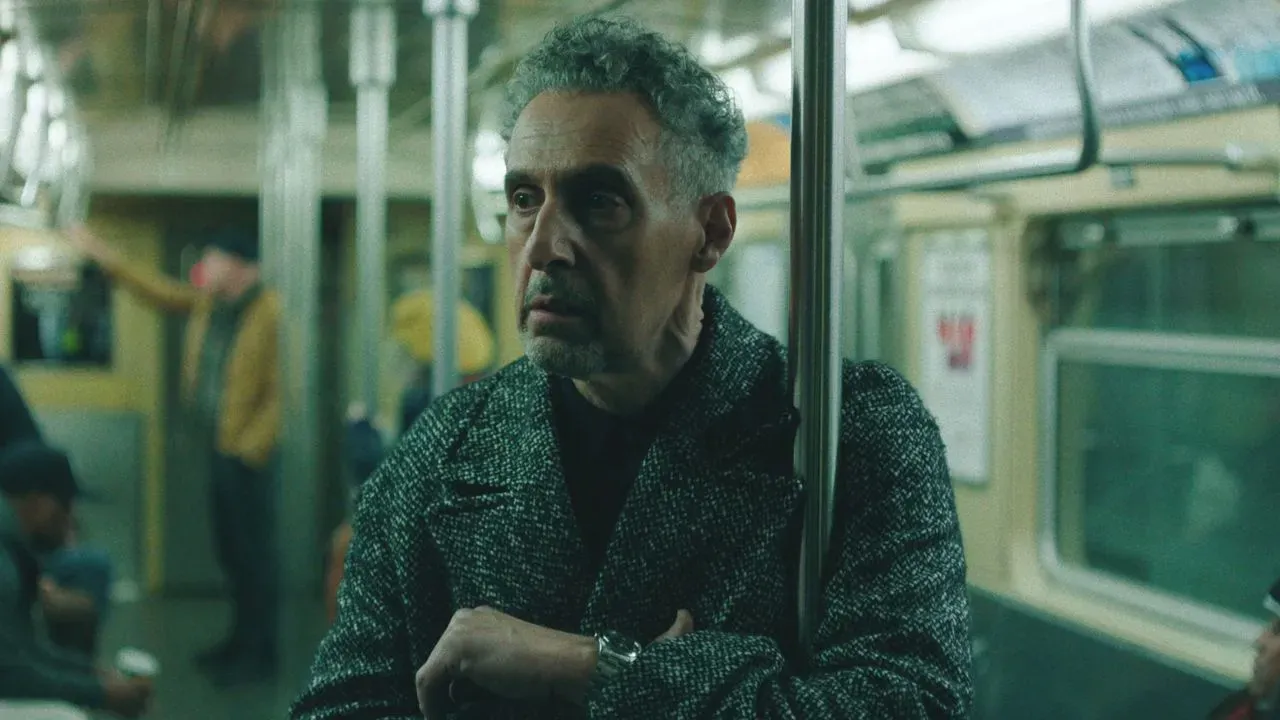
A new movie has hit theaters nationwide, one that is set to captivate watch enthusiasts and collectors alike. The Only Living Pickpocket in New York, released on October 30, boasts a unique blend of style and substance, making it a must-see for those who appreciate the intricacies of timepieces.
The film's protagonist, Harry Lehman, played by John Turturro, is an aging New York hustler struggling to adapt to the changing world around him. His character's fascination with watches serves as a reflection of his own nostalgic and analog nature, making it all the more believable that he would be drawn to the intricate details of timepieces.
Director Noah Segan has clearly done his homework when it comes to watches, meticulously selecting each piece to fit its character's personality. The film features an impressive array of timepieces, from vintage Rolex Explorers to modern Hublots, each one imbued with its own unique history and significance.
As the story unfolds, it becomes clear that Segan is not just a skilled filmmaker but also a watch enthusiast himself. He has woven together a narrative that seamlessly integrates watches as a vital motif, rather than simply using them as a decorative detail. The result is a film that feels authentic and genuine in its portrayal of watch culture.
One of the standout aspects of the movie is its attention to detail when it comes to the inner workings of timepieces. A pivotal scene features a pawn shop owner played by Steve Buscemi, who deems a Patek Philippe "fugazi due to its lack of jewels in the movement. This level of expertise suggests that Segan has done extensive research and is deeply invested in the world of watches.
The movie's use of watches as a symbol of personal and cultural history adds another layer of depth to the narrative. As Harry navigates his way through New York, his love for watches serves as a reminder of the analog world he once knew, one that is rapidly disappearing in the face of modern technology.
As The Only Living Pickpocket in New York continues to captivate audiences, it's clear that Segan and his team have created something special. With plans to auction off some of the film's essential watches for charity in the future, watch enthusiasts will be eagerly awaiting more news from this talented filmmaker.
The use of watches as storytelling devices in film is a common phenomenon, but it's not often that this aspect takes center stage. Noah Segan, the filmmaker behind The Only Living Pickpocket in New York, has clearly thought deeply about the role of timepieces in his movie.
Segan's own affinity for watches began with a TAG Heuer Monaco, which he purchased as a tribute to Steve McQueen and the iconic racing film Le Mans. This early introduction sparked a lifelong interest in watches that transcends mere fashion or status symbol.
For Segan, watches are more than just objects to be worn; they represent a convergence of art, history, and engineering. He sees the Venn diagram of these elements as a solid circle, where each aspect complements and enhances the others.
As someone who has expressed a desire to sell his own collection if he weren't a filmmaker, Segan's personal connection to watches is undeniable. However, it seems he would be too attached to part with them, even as a salesman, an ironic twist for someone in the business of selling timepieces.
Segan's appreciation for analog technology extends beyond watches; he still shoots film with his camera and spins records in his free time. This nostalgia for traditional craftsmanship is reflected in his choice of equipment and aesthetic sensibilities.
The filmmaker's fondness for classic cars is another aspect of his character that resonates through the movie. In fact, the vintage vehicle featured in The Only Living Pickpocket in New York belongs to Segan himself.
Segan's upbringing played a significant role in shaping his affinity for watches and other analog delights. Growing up in an environment where engineering and art coexisted was instrumental in fostering his appreciation for the marriage of these disciplines.
This unique blend of interests has allowed Segan to approach his filmmaking with a distinct perspective, one that is both personal and deeply informed by his love of history and craftsmanship.
The choice of watches in The Only Living Pickpocket in New York" was not made lightly. The film's director wanted each timepiece to reflect its wearer's personality and role in the story. One watch that stands out is the Rolex Explorer 1016 worn by Harry, played by a seasoned actor.
This vintage watch has a special significance for collectors, but what drew the director to it was its unique blend of functionality and value. The watch is understated yet easy to read, making it an excellent choice for someone like Harry who needs a reliable timepiece that can withstand the harsh conditions on New York's streets.
The Rolex Explorer 1016 has been a valuable tool for Harry in his past, and today it holds significant financial value as well as sentimental worth. The director chose this watch to represent the combination of practicality and luxury that is central to the film's themes.
Adam Golden, a close friend and watch dealer, helped the filmmakers find the perfect Rolex 1016. He loaned them the watch, which was worn by the actor playing Harry in key scenes. This attention to detail reflects the director's commitment to authenticity.
When selecting watches for other characters, the director took inspiration from the Rolex Explorer 1016. Each timepiece was chosen to reflect its wearer's personality and role in the story. For example, Detective Warren wears a Tudor Tuxedo that shares similarities with the Rolex Explorer but has some distinct features of its own.
The Tudor Tuxedo is made by the same company as the Rolex Explorer, but it has a unique character that sets it apart. This subtle distinction reflects the complexities of the characters in the film and adds depth to their relationships. The director's attention to detail extends even to the watches worn by supporting actors.
Steve's gold Rolex Cellini on a gold bracelet is another example of how the director used watches to tell the story. This timepiece is not only a symbol of luxury but also a reminder of the past. Its value has increased significantly over the years, making it an interesting choice for Steve's character.
The Hublot worn by Dylan, a young mobster, is a stark contrast to the other watches in the film. Considered flashy and modern, this watch reflects Dylan's personality and role in the story. The director's use of diverse timepieces adds visual interest to the film and highlights the unique characteristics of each character.
The film's attention to detail extends beyond its plot, as evident in the carefully selected timepieces worn by each character. These watches not only reflect their individual personalities but also serve as a visual representation of their values and lifestyles.
In some cases, the characters' watches are an integral part of who they are, while others are mere accessories. For instance, Victoria Morolis's Oris Roberto Clemente watch is more than just a time-telling device; it's a reflection of her punk computer hacker persona and a nod to the character's younger age.
The film's director worked closely with Adam Golden, who lent his expertise in creating bespoke watches that would accurately represent each character. This collaboration resulted in unique timepieces that not only added visual interest but also highlighted the distinct characteristics of each individual.
Adam Golden's contributions were instrumental in bringing the characters to life through their watches. His attention to detail and understanding of what makes a watch truly special allowed him to curate a collection that was both authentic and visually striking.
The film's exploration of timepieces is not limited to vintage or high-end brands. The director also incorporated newer, more modern watches into the narrative, showcasing the diversity of styles and designs available in today's market.
One such example is the Oris Roberto Clemente watch worn by Victoria Morolis. This timepiece stands out for its blend of old-school aesthetics with cutting-edge technology, making it a true reflection of the character's personality.
The film also highlights the spiritual and aesthetic differences between vintage watches and modern hyper-modern designs. The director's personal perspective on this topic is rooted in his passion for horology and his understanding of what makes a watch truly special.
This appreciation for timepieces extends beyond mere aesthetics, as evident in the way characters interact with their watches. For instance, the character of Dylan explicitly compares Harry's Rolex Explorer 1016 to his Hublot, highlighting the unique characteristics of each design.
The director's use of diverse timepieces serves not only to add visual interest but also to underscore the importance of individuality and self-expression in the film's narrative.
The film's narrative highlights individuality and self-expression through its use of diverse timepieces, but this approach also raises questions about authenticity and value.
In one pivotal scene, Harry pickpockets a Patek Philippe watch that is later revealed to be fake. The character who owned this piece is shown to be a wealthy businessman with a lavish lifestyle.
This portrayal serves as a commentary on the world in which Harry operates. In his line of work, appearances can be deceiving, and people often make assumptions about others based on superficial indicators such as their clothing or accessories.
However, the film also suggests that these assumptions may no longer hold true in today's society. The businessman who owns the fake Patek Philippe is a prime example of this shift.
On the surface, he appears to be wealthy and successful, with expensive suits, shoes, and a luxurious lifestyle. But beneath this façade lies a more complex reality.
The film implies that our perceptions of value and authenticity are no longer tied to traditional markers such as wealth or material possessions.
In fact, the businessman's decision to wear a fake watch may be seen as a commentary on the superficiality of modern life. It suggests that people are more concerned with appearances than actual substance.
This theme is echoed in the film's exploration of the world in which Harry operates. In this environment, people often make assumptions about others based on surface-level indicators rather than any deeper understanding of their character or motivations.
The use of a fake watch as a plot device serves to underscore these themes and challenge viewers' perceptions of what is truly valuable in life.
The film's exploration of the human condition raises important questions about what truly matters in life. This is reflected in the character's use of a fake watch as a plot device, which challenges viewers' perceptions of value and worth.
It remains unclear whether the character knows the watch is counterfeit or simply doesn't care about its authenticity. The ambiguity surrounding this aspect serves to underscore the themes of the film, highlighting the gray areas that exist in our world.
The notion that people have become satisfied with mere approximations of success is a thought-provoking commentary on modern society. This idea is exemplified by the character's response to being made partner, where it seems that achieving this milestone has become an end in itself rather than a stepping stone to greater accomplishments.
In contrast, the speaker reflects on their own watch collection, which consists of timepieces with significant personal value rather than monetary worth. These watches hold sentimental importance due to their history and association with loved ones, such as family members and mentors.
The restoration of these watches is a testament to their emotional significance, even if they are not considered valuable by conventional standards. The speaker's fondness for lesser-known brands like Benrus speaks to the importance of heritage and local connections in appreciating luxury goods.
Ultimately, the film's exploration of value and worth serves as a reminder that true wealth lies in experiences, relationships, and personal connections rather than material possessions.
Facts based on reporting originally published by GQ.
You may republish this story, in full or in part, if you credit News Central Site and link to it (licence CC BY 4.0). Photos are not included.