Stephen King's 1987 Novel 'Misery' Explores Dark Elements in Everyday Situations
The novel follows author Paul Sheldon as he tries to break free from his successful historical romance novels and write something new.
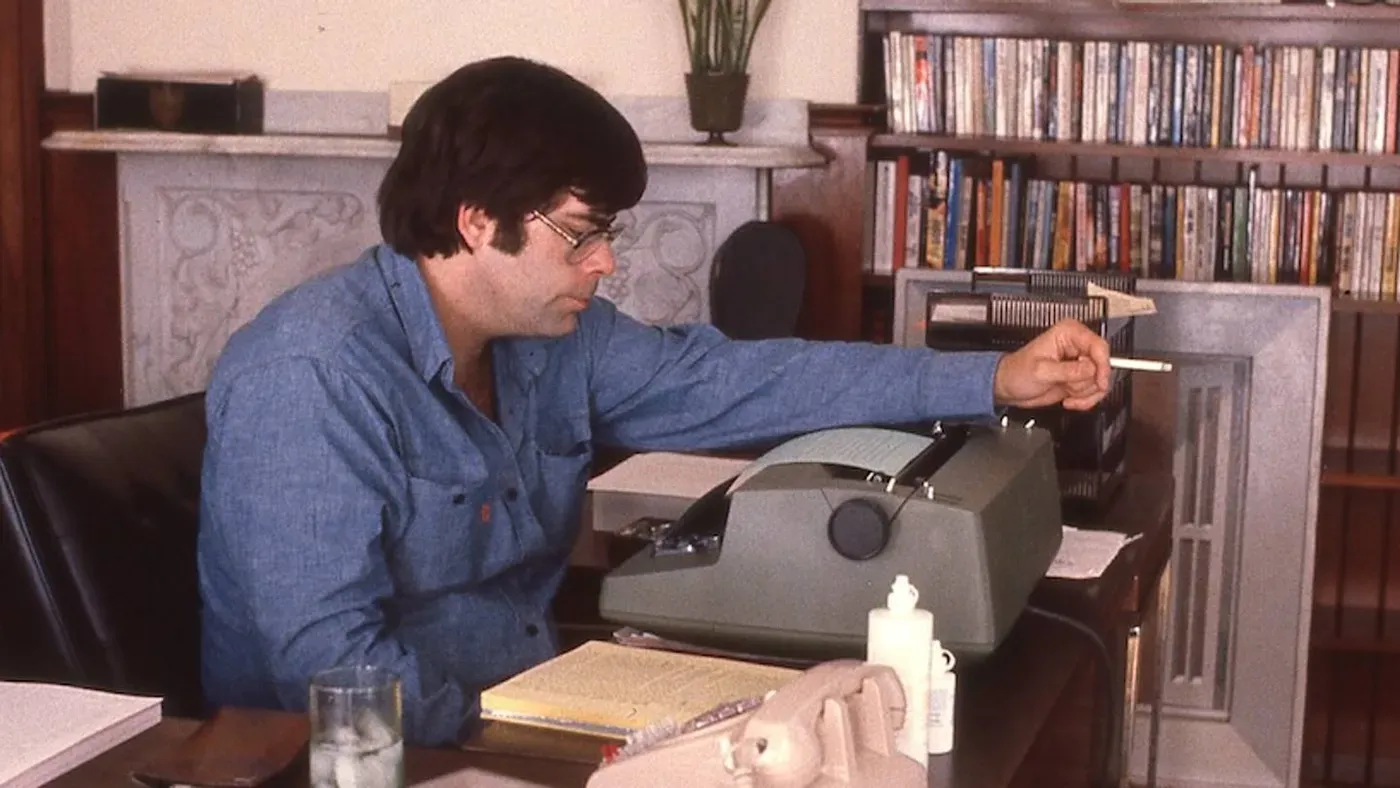
Stephen King's 1987 novel 'Misery' stands out as one of the most chilling horror stories in modern literature. This thriller has become synonymous with the author's ability to infuse everyday situations with dark and sinister elements.
The protagonist of 'Misery', Paul Sheldon, is an author trapped by his own success writing historical romance novels. Feeling stifled by this genre, he tries to break free from it by penning a new story that deviates from his usual style.
Sheldon's attempt at creating something different results in the final installment of his popular series, which centers around the life of Misery Chastain. This bold move marks a turning point for Sheldon as he seeks to reinvent himself and shed the constraints of his previous work.
The seeds of 'Misery' were sown when King had a strange dream that inspired him to write this novel. The dream's influence is a testament to King's ability to tap into his subconscious mind, often providing him with the spark needed for new ideas.
The plot of 'Misery' revolves around author Paul Sheldon's struggle for creative freedom. He is a successful writer of historical romance novels, but feels trapped by his success. Determined to break free from this mold, he decides to write a crime novel, marking a significant departure from his usual genre.
Sheldon's decision to write something new comes after completing the final installment of his popular series, which focuses on the life of Misery Chastain. This move is met with resistance from a certain individual who has become deeply invested in Sheldon's work. Annie Wilkes, a former nurse, is a super fan of Sheldon's novels, particularly the Misery series.
Wilkes' devotion to the series borders on pathological obsession. She discovers that Sheldon plans to end the series with Misery's death and becomes enraged by this decision. In a shocking turn of events, Wilkes rescues Sheldon from a car crash and then proceeds to hold him captive until he agrees to write a new version of the story where Misery survives.
As it turns out, Wilkes' motivations for keeping Sheldon captive are not entirely altruistic. She is driven by a desire to see her beloved character continue in print, rather than being allowed to meet her demise. This sets up a thrilling cat-and-mouse game between Sheldon and his captor, with the author's survival hanging precariously in the balance.
The tension between Sheldon and Wilkes escalates as the situation becomes increasingly dire for the writer. With no clear escape route in sight, Sheldon must rely on his wits to outsmart Wilkes and regain his freedom. But will he be able to think fast enough to outwit his captor?
As the stakes grow higher, it becomes clear that Wilkes is not the only one invested in the story's outcome. The reader is drawn into the world of 'Misery', where the lines between reality and fiction are blurred.
The publication of Misery marked a significant milestone in Stephen King's career, as it received widespread critical acclaim upon its initial release.
The novel's success was soon followed by several notable accolades, including the Bram Stoker Award for Best Novel, which it won in an inaugural ceremony that recognized outstanding achievements in horror literature. The award further cemented Misery's reputation as a masterpiece of the genre. This recognition also highlighted King's ability to craft compelling stories that captivated readers.
The novel's popularity continued to grow, with it reaching number four on The New York Times bestseller chart. Its success was not limited to literary circles; it also resonated with audiences worldwide.
In 1990, Misery made its transition to the big screen under the direction of Rob Reiner, a renowned filmmaker known for his work on Stand by Me and The Princess Bride. James Caan took on the role of Paul Sheldon, while Kathy Bates delivered an unforgettable performance as Annie Wilkes in this film adaptation.
The success of both the book and the movie adaptation has made Misery one of King's most enduring works.
Stephen King has shared the fascinating story behind how he came up with the idea for his iconic novel 'Misery'. The inspiration struck while he was on a transatlantic flight to England, and it materialized in a vivid dream that left an indelible mark on his imagination.
According to King's recollection, during the dream, he jotted down some notes on the back of a napkin. These scribbled lines appear to be a conversation between a woman and someone else about her pet pig named Misery. The woman speaks earnestly but never quite makes eye contact, describing herself as big and solid.
The dream's narrative also reveals that the woman is defensive about giving her pig this name, insisting it was not intended to be humorous or mocking. Instead, she claims it was a gesture of fan love and admiration for the pig. This peculiar exchange has been preserved in King's notes, offering an intriguing glimpse into his creative subconscious.
The dream's impact on King's writing is evident in 'Misery', which explores themes of obsession, isolation, and the darker aspects of human nature. The novel's enduring popularity serves as a testament to the power of King's imagination and his ability to craft stories that captivate readers worldwide.
Facts based on reporting originally published by Mental Floss.
You may republish this story, in full or in part, if you credit News Central Site and link to it (licence CC BY 4.0). Photos are not included.