Severe Droughts Prompt Remote Communities to Adopt Solar Power
Nova Sociedade, a riverine community deep inside a protected area of the Amazon, is adopting off-grid solar power to prepare for severe droughts and replace polluting diesel generators.
Remote communities in Brazil's Amazon rainforest are adopting off-grid solar power to prepare for severe droughts and replace polluting diesel generators that have been a costly burden.
Nova Sociedade, a riverine community deep inside a protected area of the Amazon, is one such village where the Arapiuns River serves as its lifeline to the outside world. The river flows into the Tapajos, a major tributary of the Amazon River, creating vast waterways that can be challenging to navigate.
During a historic drought in 2024, Nova Sociedade's residents had to walk up to 20 kilometers to find water, a struggle that began at dawn and involved children and elderly people carrying heavy loads. Tiago Silva, an Indigenous community leader, recalled the hardship faced by his community during that time.
The community is now better equipped to face this year's El Niño drought with the installation of solar panels in June, which power water pumps to fill storage tanks providing clean water for all 36 families in the village.
Nova Sociedade's residents are well aware of the limitations of relying on diesel generators for electricity. The fuel is expensive and polluting, providing limited power that often fails to meet their needs.
The spread of off-grid solar power across the Amazon region has been transformative for communities like Nova Sociedade. By adopting this technology, they can reduce their reliance on diesel and enjoy more reliable access to clean water and electricity in homes, schools, and health centers.
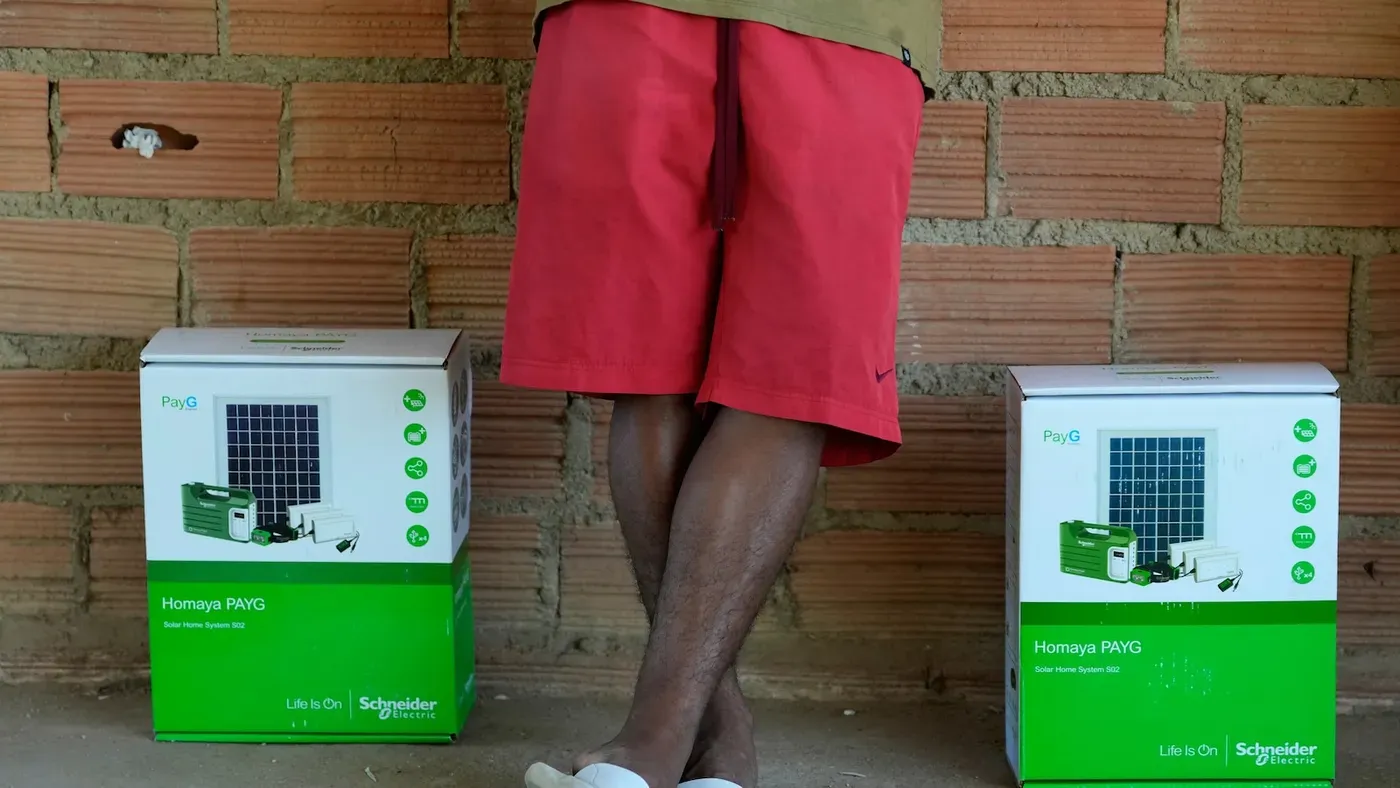
Last month, each household in Nova Sociedade received a solar-power system donated by Schneider Electric through Saude e Alegria. These easy-to-install kits come with batteries that power lights at night and generate enough electricity to charge phones and other small devices.
Community leaders were informed about the benefits of this technology, which harnesses the sun's energy without clearing forests or burning fuel. Caetano Scannavino, an environmentalist and manager of Saude e Alegria, highlighted the importance of sustainable practices in preventing global warming.
The rapid expansion of off-grid solar power in isolated Amazon communities is having a profound impact on daily life.
Official statistics show that the number of off-grid systems installed in remote areas of the Amazon has skyrocketed from 105 in 2020 to more than 11,000 just two years later. By 2026, this figure had surpassed 100,000 installations. This surge in solar power adoption is primarily driven by the increasing use of solar panels.
Fabio Galdino dos Santos, a researcher at the Brazilian nonprofit Institute for Energy and Environment (IEMA), notes that nearly all off-grid systems installed in remote areas are now powered by solar energy. This significant shift towards renewable energy is a testament to its growing viability and effectiveness.
In Brazil's Amazon region, where isolation and high infrastructure costs have hindered electrification efforts, over 1 million people still lack access to electricity. Most of these individuals reside in areas far from urban centers, making it difficult for them to rely on traditional power sources.
Many off-grid communities in the Amazon previously relied on expensive and polluting diesel generators to meet their energy needs. These generators are often unreliable, shutting down shortly after 10 p.m. and failing to provide enough capacity to run essential appliances like refrigerators.
The expansion of solar power in Amazonian communities has led to significant improvements in public services, particularly at healthcare facilities.
At a clinic in Ana, along the Arapiuns River, newly installed solar panels have enabled staff to store vaccines and medical equipment under refrigeration, even during periods of poor air quality caused by wildfires. This is crucial for maintaining the potency of life-saving medications.
The shift to renewable energy has also facilitated telemedicine services at the same clinic. Medical professionals can now conduct remote consultations with patients, improving access to healthcare in these remote areas.
In Surucua, a community along the Tapajos River, the introduction of solar power has brought about a noticeable change in the environment. Gone are the days of noisy diesel generators that dominated the landscape.
The renovation of Sao Benedito School in Surucua has also benefited from the installation of solar panels. Principal Rosenilce Cruz notes that the new system has allowed students to study outdoors without being disrupted by noise from a generator.
The introduction of solar power is having a positive impact on local businesses in neighboring Amazonas state. An acai processing facility in the Bela Conquista community has shifted away from diesel-generated electricity to a new solar-and-battery system.
This change has enabled the facility to increase production and reduce waste, as harvested fruit was previously left to spoil due to constraints imposed by diesel power. The solar-powered system was installed through a partnership between the Foundation for Amazon Sustainability, the Global Energy Alliance for People and Planet, and Brazil’s Ministry of Mines and Energy.
The long-term goal of this initiative is to develop 20 pilot projects over the next two to three years, supporting sustainable fishing, agriculture, and fruit-processing businesses in the region. This will help reduce reliance on diesel-generated electricity and promote more environmentally friendly practices.
The Amazon rainforest plays a crucial role in regulating the global climate, storing vast amounts of carbon and influencing temperatures and weather patterns across South America and beyond. Its preservation is essential for maintaining ecosystem balance.
Protecting Indigenous and traditional territories is key to preserving the rainforest, with many areas showing no signs of deforestation. Strengthening these communities could help keep the forest standing, according to engineering professor Lázaro Silva, coordinator of the renewable energy laboratory at the Federal University of Western Para.
Forty solar systems have been installed across 27 remote Amazon communities by Silva and his students since 2022. This effort is part of a broader initiative to help these communities transition away from diesel fuel.
The installation of renewable energy sources in these communities has not only reduced their reliance on diesel but also prepared them for the potential droughts caused by El Niño, which can have devastating effects on the forest ecosystem and its inhabitants.
Facts based on reporting originally published by ABC News International.
You may republish this story, in full or in part, if you credit News Central Site and link to it (licence CC BY 4.0). Photos are not included.