Restrictions on Public Gatherings Increase Across Africa
Opposition leaders across Africa are facing increasing pressure from authorities who are cracking down on their activities, with restrictions on public gatherings and legal action becoming common tactics used by governments to limit political freedoms.

Opposition leaders across Africa are facing increasing pressure from authorities who are cracking down on their activities.
Restrictions on public gatherings and legal action have become common tactics used by governments to limit political freedoms in countries such as Cameroon, Tanzania, Mozambique, Nigeria, and Zambia.
The opposition argues that these measures are stifling democracy and preventing them from freely expressing their views to the public. "You cannot talk about democracy when opposition supporters cannot freely express their minds," said Ngam Glory Ani Mbom, a citizen of Cameroon, highlighting the fear of arrest and violence that discourages political participation.
In Cameroon, the law guarantees freedom of assembly but allows authorities to restrict gatherings on grounds of public order or national security. Organizers are required to notify officials in advance, effectively giving them control over opposition events.
The lack of authorization for public meetings is a major obstacle for opposition groups like the Social Democratic Front in Cameroon, whose deputy secretary-general, Ndah Grimbald, notes that private members' bills receive little attention in parliament.
Opposition figures in Africa are facing increasing pressure from governments as they try to mobilize support for their parties.
Prosecutors have accused Lissu of making remarks intended to disrupt Tanzania's upcoming general election, but he denies this and claims the case is a form of political persecution.
The court has sided with the prosecution, ruling that Lissu's statements were aimed at disrupting elections and inciting violence. However, he rejected the verdict, arguing that he was not charged with incitement, but rather convicted for it.
Tanzania's government spokesperson has dismissed allegations of human rights abuses and political repression as unfounded and misleading. He claims that concerns about restrictions on civic space are baseless and intended to tarnish the country's reputation.
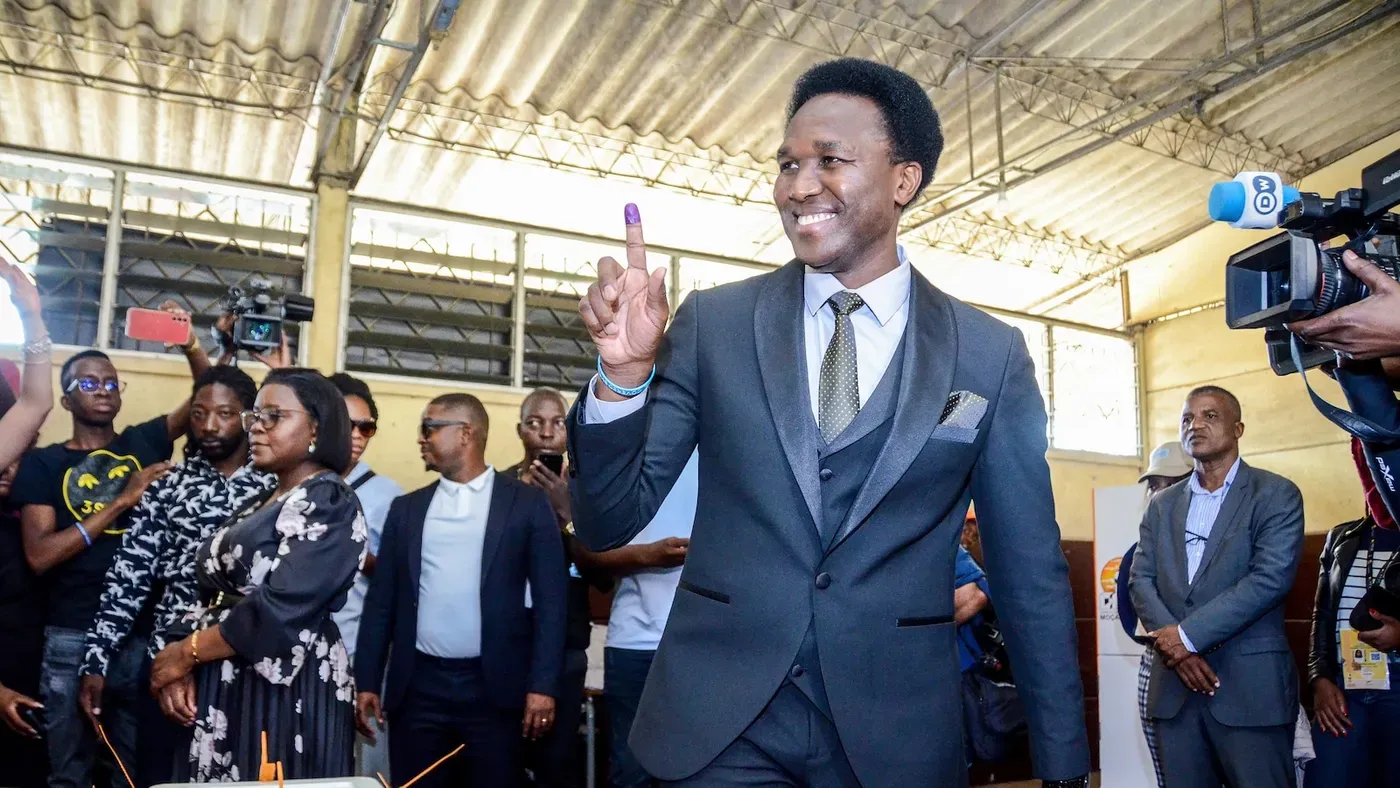
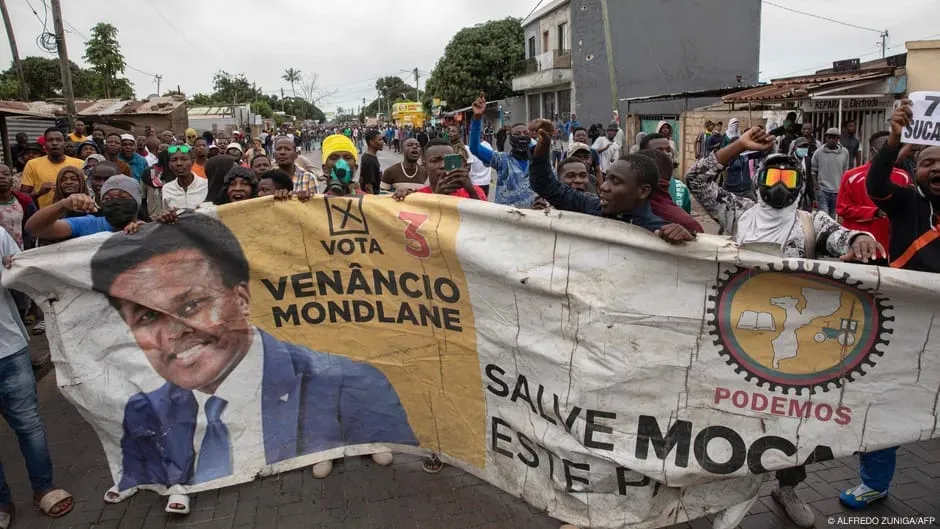
In Mozambique, opposition leader Venancio Mondlane is facing five charges linked to protests after a disputed election in 2024. Prosecutors have accused him of encouraging violence and civil disobedience, but he denies these allegations, saying that nothing can prove his involvement in promoting violence.
Mozambican opposition leader Mondlane's statements are being scrutinized by prosecutors who accuse him of encouraging violence and civil disobedience, but he maintains his innocence.
Mondlane claims to have evidence that contradicts these allegations, stating that many of his previous statements were actually aimed at preventing violence. He emphasizes the peaceful nature of the protests. This stance is crucial in determining the legitimacy of the charges against him.
In a separate development, police in Nigeria's Borno State arrested five men wearing T-shirts bearing an anti-government slogan. The individuals were detained for alleged public disturbance and thuggery, rather than their political views.
The men's arrest highlights the growing pressure faced by opposition voices in Africa. In some cases, even peaceful protests are met with force. The recent events in Nigeria demonstrate this trend.
In Zambia, opposition leader Brian Mundubile has criticized the government for allegedly undermining democratic rights. He points to the closure of courts on August 24 as evidence of a retreat from democratic principles.
The security operation that resulted in Mutotwe Kafwaya's death was allegedly carried out following intelligence on individuals deemed a threat to national security. Authorities claimed that officers came under fire and responded accordingly. This incident has added to growing concerns about the safety of opposition voices in Africa.
Mundubile, who is facing treason and sedition charges alongside other opposition figures, has emphasized the need for fairness during his trial. He expressed hope for an open court process, stating "We expect an open court process. We are innocent of all the charges against us." This plea comes as Mundubile awaits the outcome of his case.
Constitutional lawyer Linda Kasonde and Cameroonian political analyst Kinang Derick Fai have both highlighted the challenges facing democratic development in Africa. According to Kasonde, "As you can see, our public institutions are on trial. Democracy in Zambia is on trial." Fai also noted that despite setbacks, democracy remains a work in progress across the continent, with much still to be achieved.
Facts based on reporting originally published by DW English.
You may republish this story, in full or in part, if you credit News Central Site and link to it (licence CC BY 4.0). Photos are not included.