Opposition Voices Face Pressure from Authorities in Several African Countries
African opposition leaders are facing increasing pressure from authorities who are using legal action to limit their freedom.

Opposition voices across Africa are facing increasing pressure from authorities, who are using legal action and public activity restrictions to limit their freedom.
In several countries, including Cameroon, Tanzania, Mozambique, Nigeria, and Zambia, opposition leaders have accused officials of stifling political dissent through a combination of laws and security measures. According to these critics, the rules are being used as an excuse to clamp down on free speech and assembly.
Ngam Glory Ani Mbom, a Cameroonian citizen, emphasized that the country's sensitive environment demands caution when criticizing the government. You cannot talk about democracy if opposition supporters can't express their minds freely, she said, highlighting her own fear of arrest and violence as a deterrent to political participation.
Cameroon's law on freedom of assembly seems contradictory to these concerns, as it guarantees this right but also allows authorities to restrict gatherings under the guise of maintaining public order or national security. Organizers are required to notify officials in advance, which can be seen as an obstacle to free expression.
Nda Grimbald, deputy secretary-general of Cameroon's opposition Social Democratic Front, pointed out that one major challenge for his party is getting permission for public meetings and rallies. He noted that even when opposition proposals reach parliament, they often receive little attention.
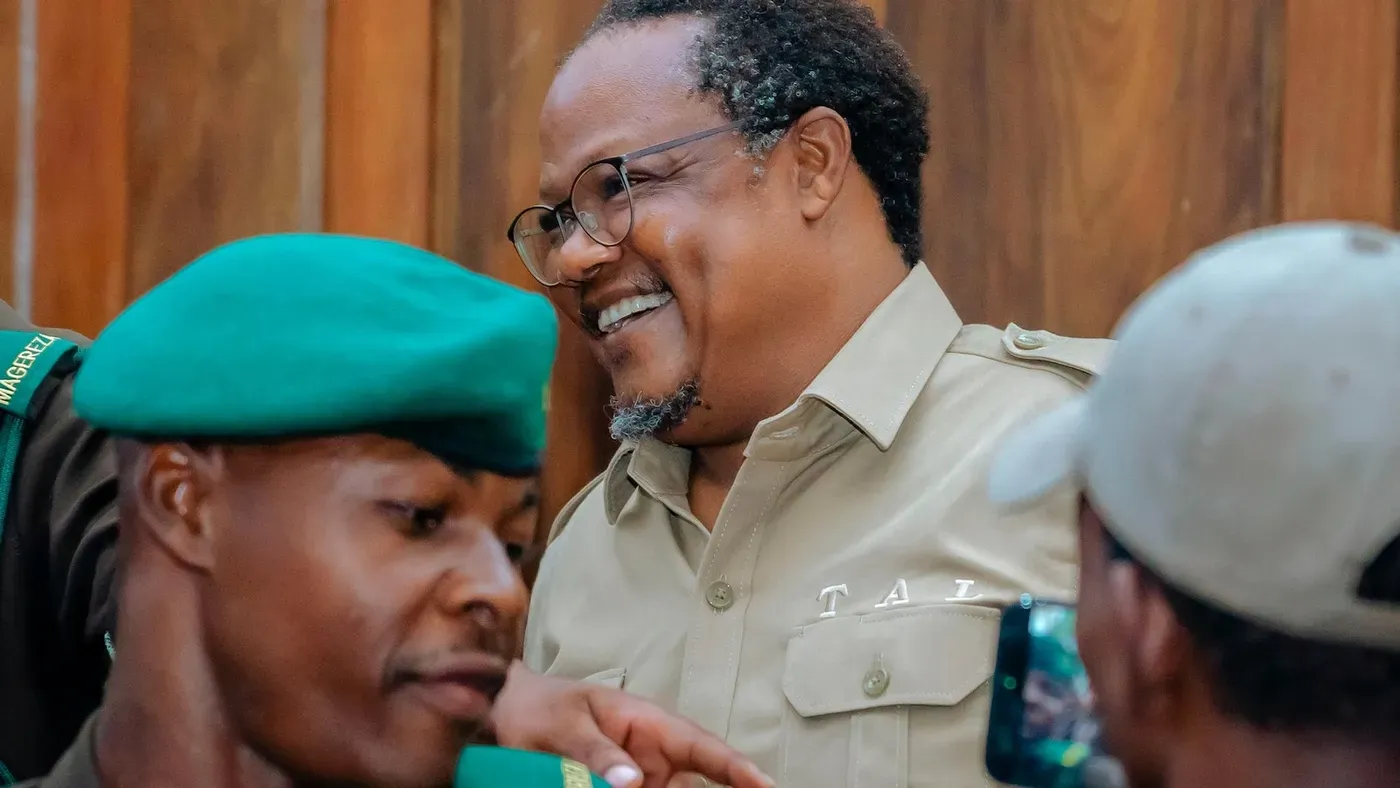
The Tanzanian government has been accused of suppressing opposition voices ahead of the 2025 general election. Prosecutors argued that Tundu Lissu's remarks were meant to disrupt the electoral process. However, Lissu rejected the verdict, labeling it "political persecution.
He told the judges that he was not charged with incitement but was being convicted of it solely to appease those in power. Lissu's comments highlight concerns about Tanzania's judicial system and its impartiality. Critics argue that the court's ruling is a clear example of government overreach.
Gerson Msigwa, the chief government spokesperson, has denied allegations of human rights violations and political repression. He rejected claims by Amnesty International that there is a wave of terror" sweeping Tanzania ahead of the 2025 vote. According to Msigwa, concerns about civic space and restrictions on opposition parties are unfounded.
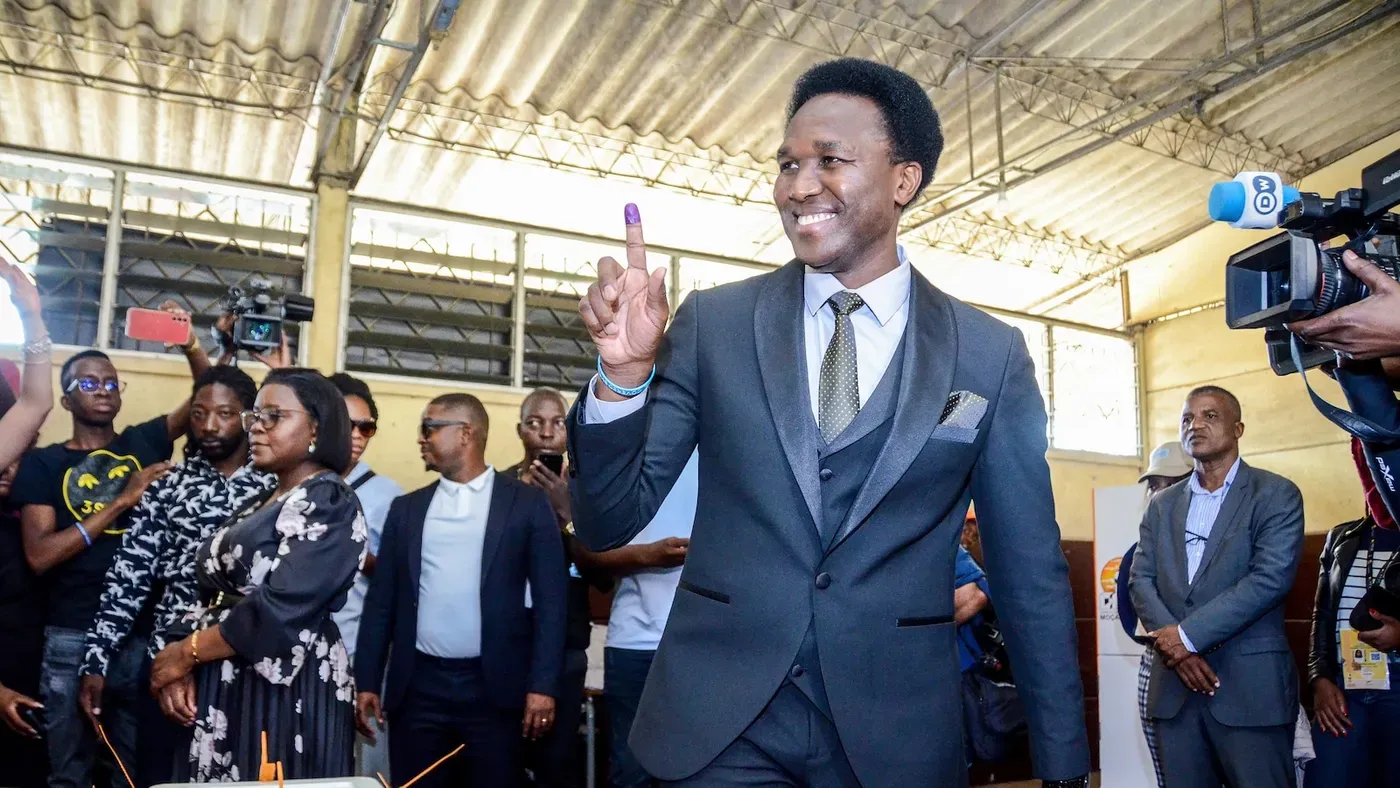
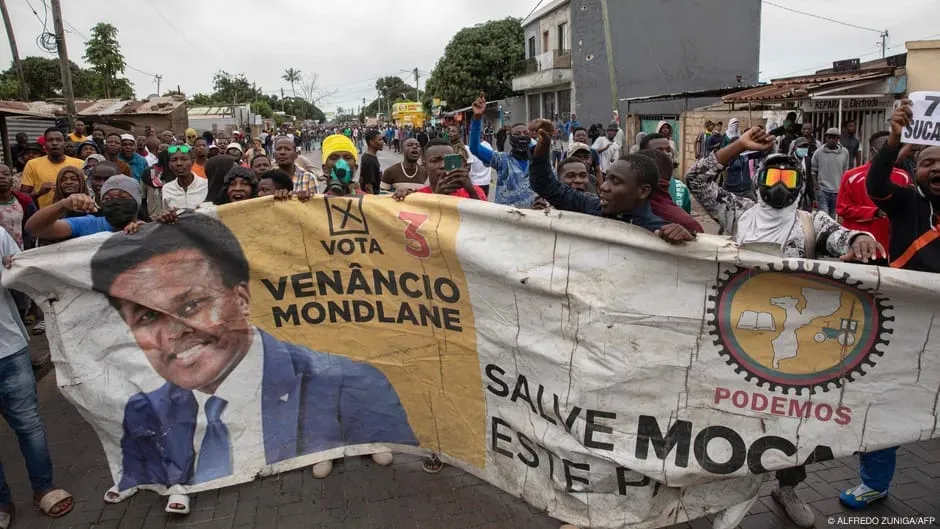
In Mozambique, opposition figure Venancio Mondlane faces five charges linked to protests after the disputed 2024 election. Prosecutors accuse him of inciting violence and civil disobedience through his public statements. Mondlane denies the allegations, saying that he has evidence to prove his innocence.
Mondlane told DW that many of his statements were actually intended to prevent violence during the protests. He claims to have plenty of evidence to support this claim, and is confident that it will be revealed in due course.
The Mozambican Supreme Court has faced criticism for its handling of high-profile cases, including the trial of Mondlane, who is accused of corruption. The court's decision not to allow live broadcasts of the proceedings has sparked controversy, with some accusing it of trying to conceal evidence.
However, Pedro Sinai Nhatitima, a judge counselor and spokesperson for the Supreme Court, has defended the court's actions, insisting that they are guided solely by the law. He claims that the court will decide the case based on its merits, without any influence from external factors.
Meanwhile, in Nigeria, police in Borno State have arrested five men who were wearing T-shirts bearing a slogan critical of President Tinubu. The men face allegations of public disturbance and thuggery, but their arrest has raised questions about the government's tolerance for free speech.
In Kano, authorities have taken steps to prevent a planned meeting from taking place, citing concerns about public safety. This move has been met with criticism from some who see it as an attempt to suppress dissenting voices.
The judiciary in Zambia has come under fire for its handling of a presidential election petition. The courts were closed on August 24, the final day for filing the petition, citing security reasons.
Mundubile, facing treason and sedition charges alongside other opposition figures, has emphasized the need for fairness in the court proceedings. He expressed his expectation of an open trial process where all parties can present their cases without bias or prejudice.
Constitutional lawyer Linda Kasonde from Zambia has sounded a warning about the state of public institutions and democracy on the continent. In her assessment, it is not just individuals who are being tried but also the democratic system itself that is on trial.
Facts based on reporting originally published by DW English.
You may republish this story, in full or in part, if you credit News Central Site and link to it (licence CC BY 4.0). Photos are not included.