Recordable Blu-ray Disc Lifespan Under Scrutiny
Users relying on recordable Blu-ray discs to store digital files are concerned about their average lifespan, which is estimated to be between five to 10 years.
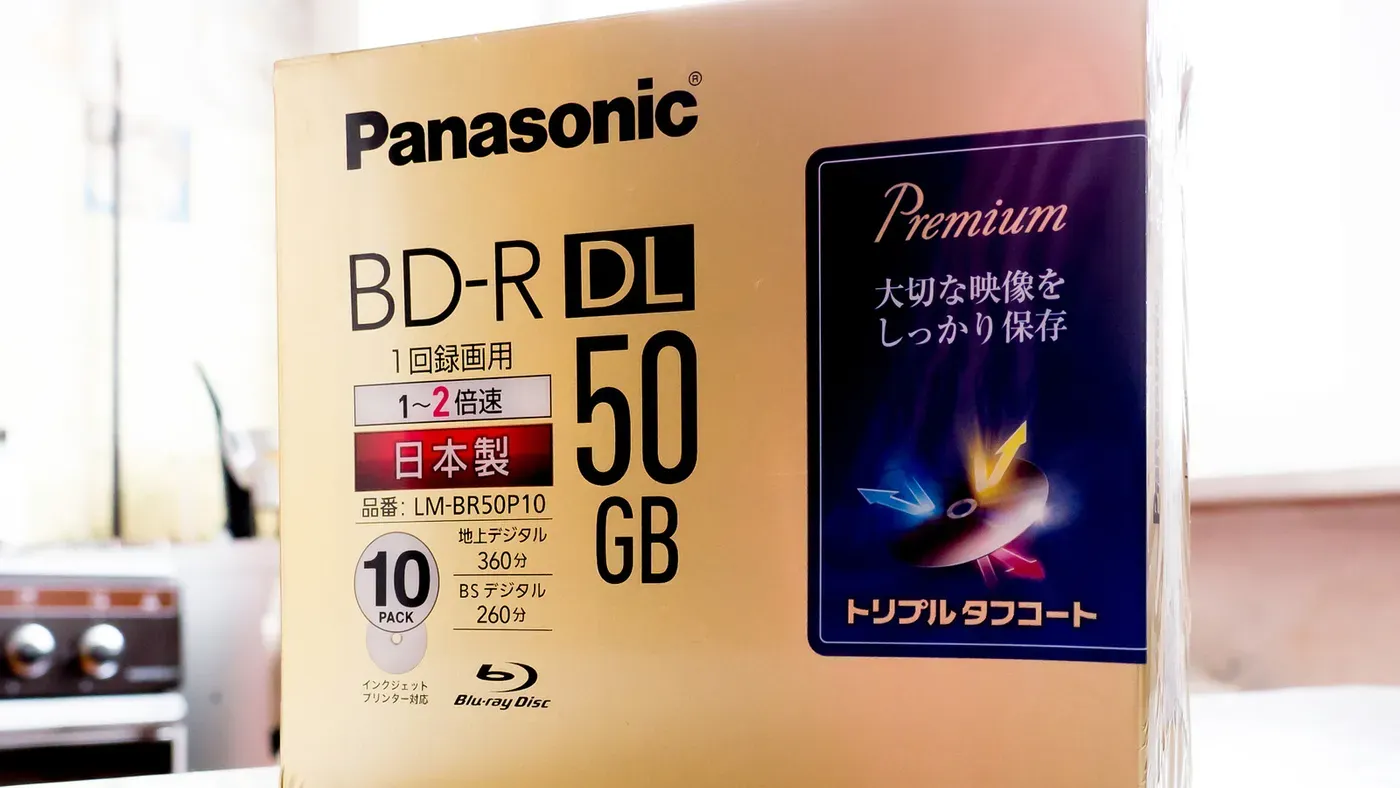
The average lifespan of recordable Blu-ray discs has become a pressing concern for those who rely on them to store precious digital files.
While Blu-ray remains a niche format, it's still a preferred choice among cinephiles due to its superior picture and audio quality compared to other formats. However, as flash memory prices continue to skyrocket, recordable Blu-ray discs (BD-R) may be a more affordable option for archiving files over an extended period.
The reliability of BD-R discs is crucial, especially when storing irreplaceable digital content like home videos or important projects. Losing access to these files can be devastating if they're not backed up elsewhere.
Manufacturing quality and long-term compatibility with playback devices are two significant factors that can impact the lifespan of recordable Blu-ray discs.
Disc rot, an umbrella term for various forms of decay, poses a significant threat to the longevity of recordable Blu-ray discs. This condition can manifest in different ways, including the gradual oxidation of the reflective layer or the separation of disc layers due to moisture. Mold growth may also occur when moisture is present, compromising the integrity of the data stored on the disc.
According to Canadian Conservation Institute data, budget-friendly BD-R discs have an average lifespan of five to 10 years. Given that external solid-state drives (SSDs) can last at least as long and store significantly more data, these cheap discs are not ideal for archival projects.
Manufacturing quality plays a crucial role in determining the lifespan of recordable Blu-ray discs. High-quality BD-Rs feature advanced materials such as a silicon and copper alloy instead of traditional dye recording layers, giving them an edge over their cheaper counterparts.
These premium discs can be identified by their dark gray or grayish-brown appearance, which is due to the use of a gold metal layer. As a result, they boast a significantly longer lifespan, with estimates suggesting that they can last anywhere from 10 to 20 years.
The lifespan of recordable Blu-ray discs has been a topic of interest for many users who have invested in this format. While BD-RE (rewritable) discs can last anywhere from 10 to 20 years, estimates suggest that they may conceivably last up to 50 years.
This extended lifespan is due in part to the fact that these discs are stored in a relatively stable environment, away from moisture and direct sunlight. However, physical damage remains a significant concern. Discs can be easily scratched or cracked, rendering them unusable.
The fragility of Blu-ray discs is exacerbated by their common use in domestic environments. Moving house, for example, poses a risk to disc collections if they are not properly secured. A single mishap could result in irreparable damage to the discs.
Industry support for Blu-ray also raises concerns about long-term usability. The decline of optical drives as a standard feature on computers has already had an impact on the availability of external burners and BD-R discs. Companies such as Sony are slowly withdrawing from the market, leaving users uncertain about future compatibility.
The potential loss of industry support could render current Blu-ray collections inaccessible if compatible hardware becomes obsolete. This is particularly worrying given that many users rely on older drives and software to access their disc libraries.
For critical files, it is advisable not to rely solely on one storage medium. The recommended approach is to keep at least one copy stored in the cloud and two others on separate forms of local storage.
This allows for flexibility and ensures that data remains accessible even if one medium becomes obsolete or fails. By having multiple copies, users can migrate their files to a newer storage solution when needed, minimizing the risk of losing access to important information.
Facts based on reporting originally published by Engadget.
You may republish this story, in full or in part, if you credit News Central Site and link to it (licence CC BY 4.0). Photos are not included.