President Trump and Obama Clash on Campaign Trail Ahead of Election Day
The final week of campaigning has begun, with control of Congress hanging precariously in the balance.
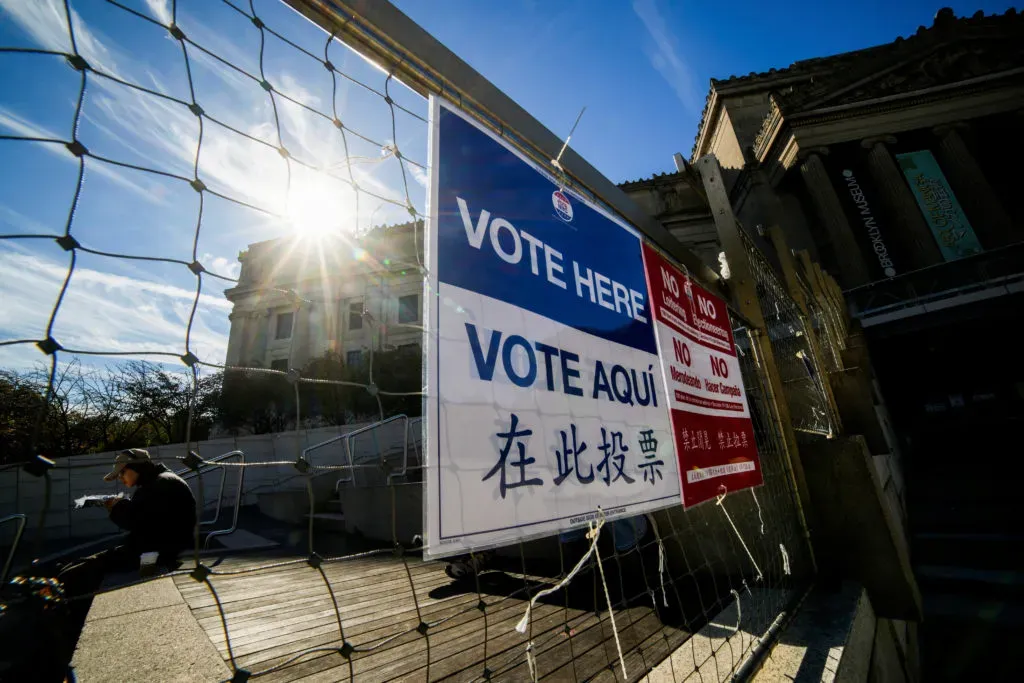
With just over a week left until Election Day, candidates across the country are in full campaign mode as they vie for control of Congress.
President Trump's itinerary for Monday included a visit to Mississippi, a state he won comfortably by nearly 23 points two years ago, signaling his focus on key battleground areas.
Meanwhile, the president had already made headlines over the weekend with a high-profile appearance in Michigan, where he clashed with former President Barack Obama.
The final week of campaigning has begun, with control of Congress hanging precariously in the balance. The stakes are high as both parties gear up for a intense showdown at the polls.
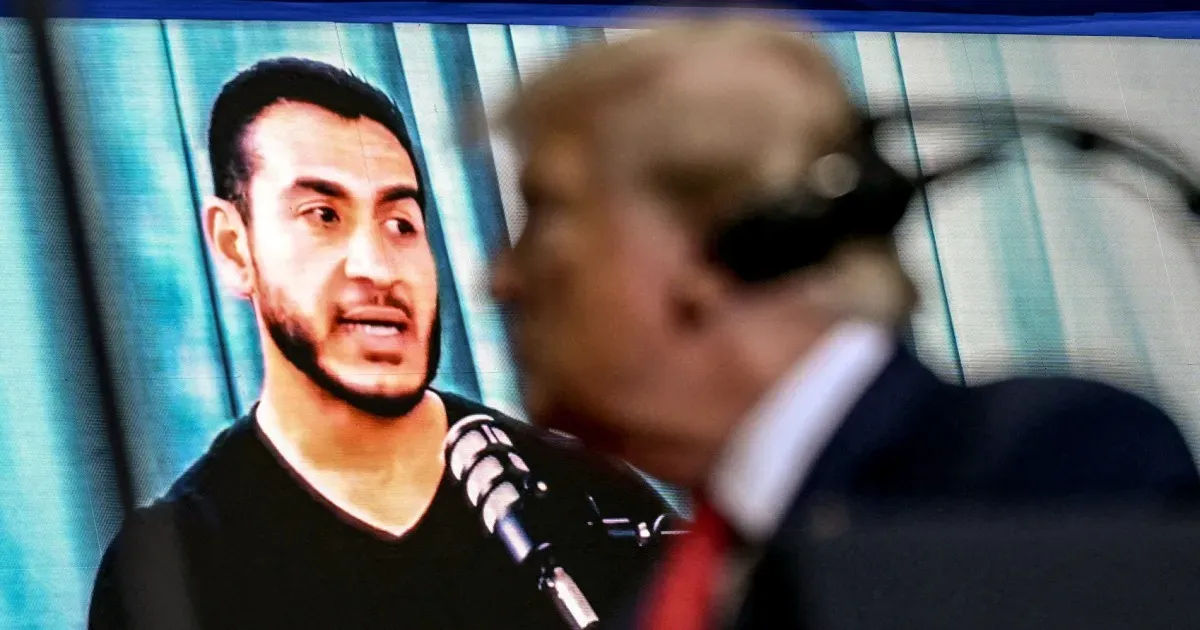
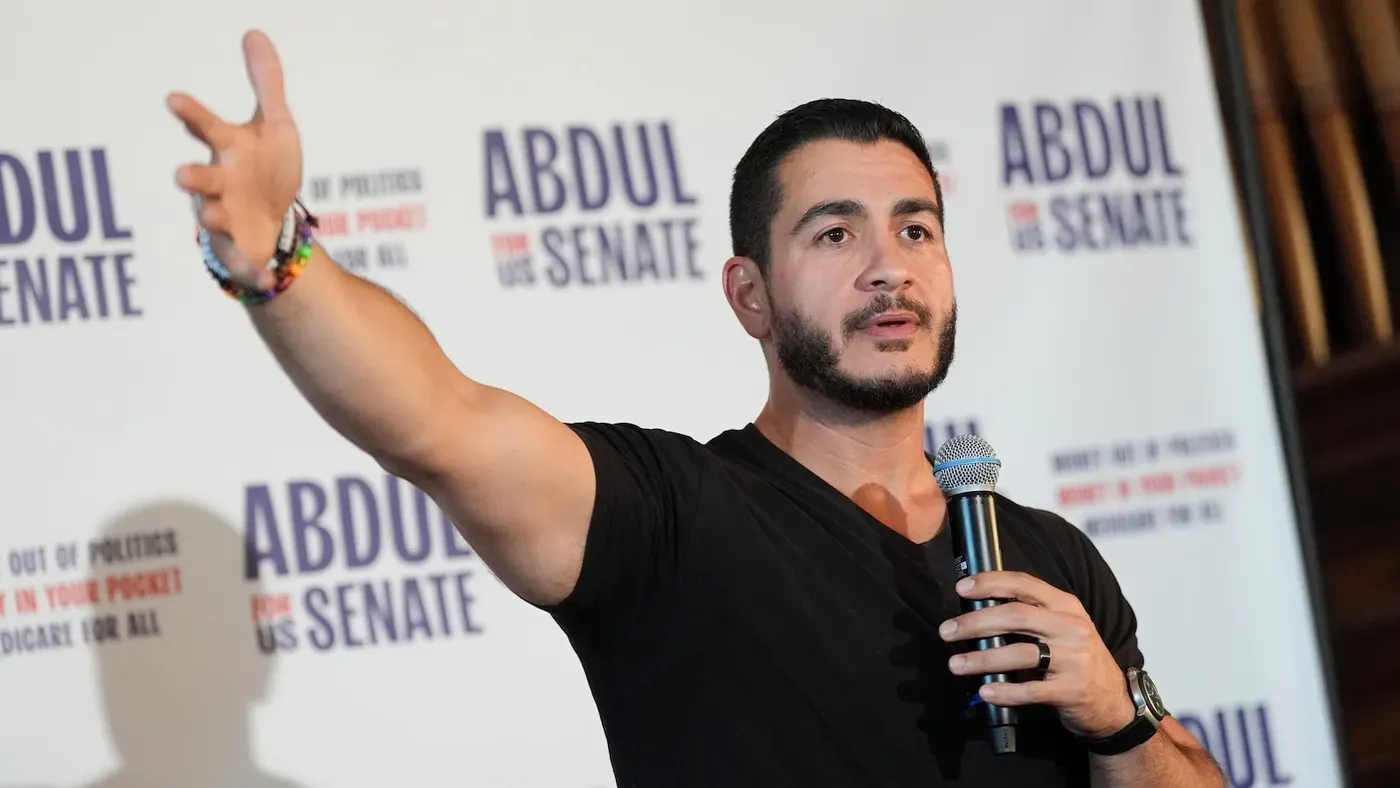
In Michigan, one key battle is taking place between Abdul El-Sayed and his opponent Mike Rogers. El-Sayed's campaign has been hit by claims linking him to the Muslim Brotherhood, but there is no evidence to support these allegations.
Rogers was questioned about his stance on this issue in a recent interview, where he insisted that he had never called El-Sayed a terrorist. However, he did accuse El-Sayed of being aligned with radical groups that don't like America.
Meanwhile, former President Barack Obama has entered the fray, rallying Democratic voters in key battleground states. In Michigan and Ohio, he made it clear that Trump was responsible for rising costs due to the ongoing conflict with Iran.
As the campaign enters its final stretch, both sides are pulling out all the stops in a bid to win over voters. The outcome is far from certain, with control of Congress hanging precariously in the balance.
As the final week of campaigning unfolds, control of Congress remains a closely contested issue. Both President Donald Trump and former President Barack Obama have been crisscrossing the country, making last-ditch efforts to sway voters.
In a series of campaign stops, Obama has been critical of the current administration's policies, including its handling of foreign affairs. He has repeatedly criticized the decision to engage in an "unnecessary war that was not supported by public opinion. The remark is seen as a reference to the ongoing conflict in various parts of the world.
At rallies this weekend, voters shared their concerns about what will determine their vote. For Ken Gunnels, a Michigan resident, it's about the future of the country. We're at a crossroads, he said, highlighting issues like education and healthcare as top priorities. Sharday Barnwell, an Ohio resident, echoed similar sentiments, emphasizing the need for affordable access to essential services.
President Trump has been focusing on the economy in his campaign speeches, citing rising fuel prices as a major concern. However, when asked about it, he replied dismissively: I don't give a damn. The comment has sparked controversy and raised questions about his priorities amidst growing economic uncertainty.
As the final week of campaigning heats up, presidential hopefuls are making last-ditch efforts to sway voters and secure control of Congress. Amidst growing economic uncertainty, some candidates are focusing on their track record in office. Donald Trump, for instance, touted his administration's accomplishments during a recent campaign stop.
The president's message was clear: America is thriving under his leadership. He boasted about the country's improving fortunes and expressed pride in the progress made over the past 18 months. His opponent, however, emphasized that there is still much work to be done. Liz Landers quoted him as saying, We have done a lot, but there is still so much more that we can do together.
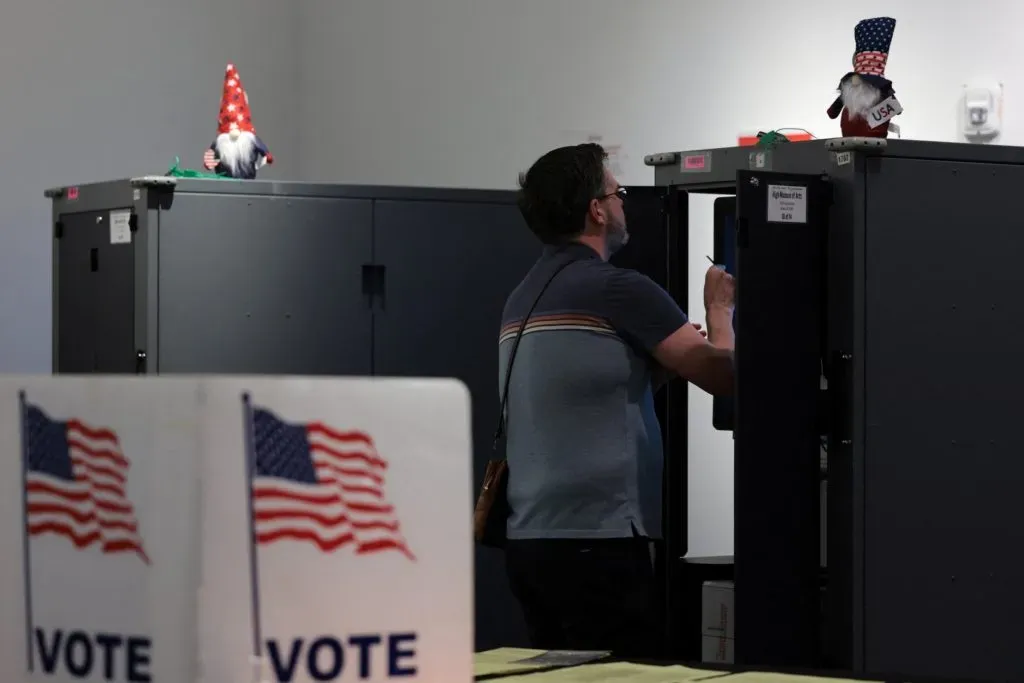
Meanwhile, Trump has been casting his own ballot in Florida, joining nearly 30 million Americans who have already voted early. This development comes as somewhat of an irony, given the president's past criticism of early voting as ridiculous." His stance on elections has been a subject of debate among voters and election officials alike.
The Department of Justice has also entered the fray, defending the Trump administration's lawsuit against Alaska state election officials. The suit aims to block the certification of the election if the Democrat wins, citing concerns over voter confusion due to a similar-sounding name on the ballot. Attorney General Blanche emphasized that the ballots will be kept in a way that allows the Alaska state election system to accurately determine the winner in case of litigation.
The Justice Department has been actively involved in a legal battle over how states administer their elections, particularly when it comes to noncitizens voting. In California, the federal government requested state officials to review and set aside more than 20,000 ballots they believe were sent to noncitizens.
A recent court hearing in the Ninth Circuit Court of Appeals raised questions about the timing and authority behind this request. The judges appeared skeptical of the Justice Department's demand during a rare Sunday argument session.
Noncitizens voting is an extremely rare occurrence, but the Trump administration has been pursuing these cases aggressively. To that end, the Justice Department announced new charges against 48 individuals who allegedly voted or registered to vote illegally.
It is essential to note that being charged does not necessarily mean the accused committed a crime, especially in cases where administrative confusion might be involved. Since the start of Trump's second term, over 200 people have been charged with illegal voting, including those recently charged by the Justice Department.
As President Trump concluded his campaign trail ahead of the final week of campaigning, he took to social media to make a significant announcement regarding voter fraud. On TRUTH Social, the president revealed that anyone who comes forward with information on past or present electoral irregularities would be eligible for a $1 million payout from the government.
However, there is a caveat - the individual must be convicted in order to receive the reward. The president's plan has raised several questions regarding its feasibility and legality, as he failed to provide details on how this initiative will be implemented or where the funds will come from.
The announcement follows a similar promise made by the president last week, when he announced a whistle-blower protection program with a $25 million fund, stating that he would personally decide on awarding payouts.
Facts based on reporting originally published by PBS NewsHour Politics.
You may republish this story, in full or in part, if you credit News Central Site and link to it (licence CC BY 4.0). Photos are not included.