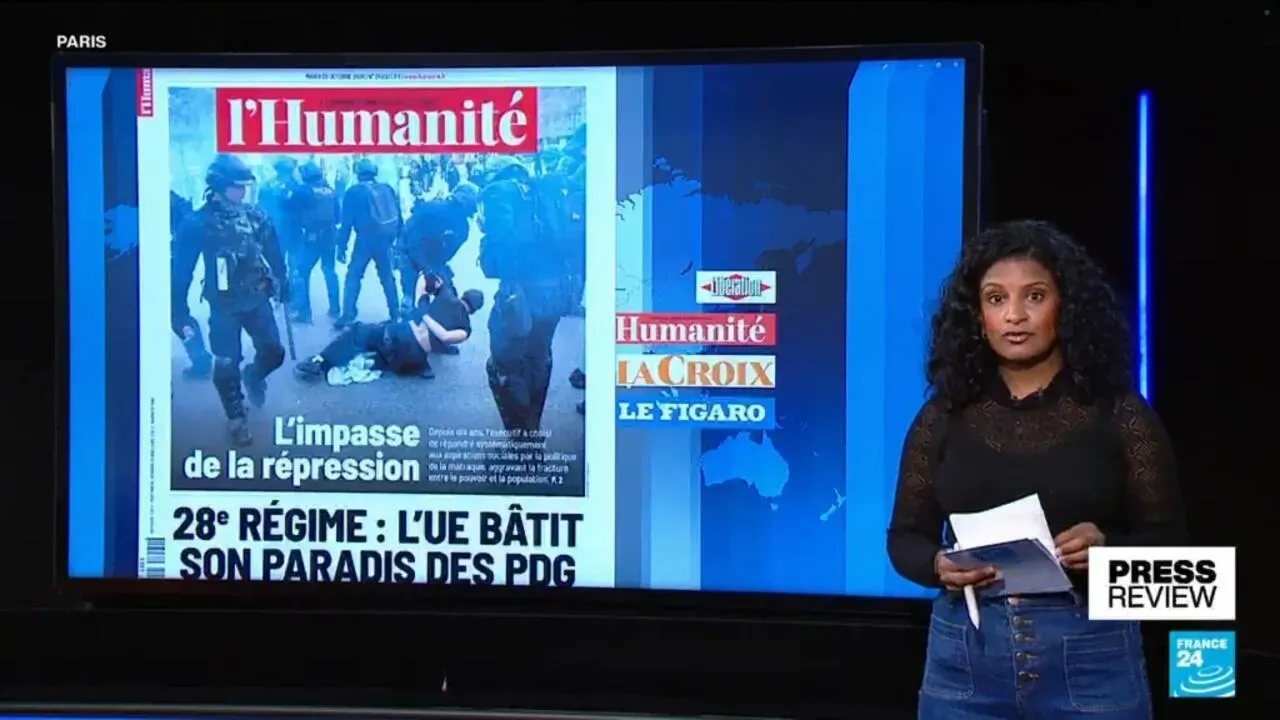
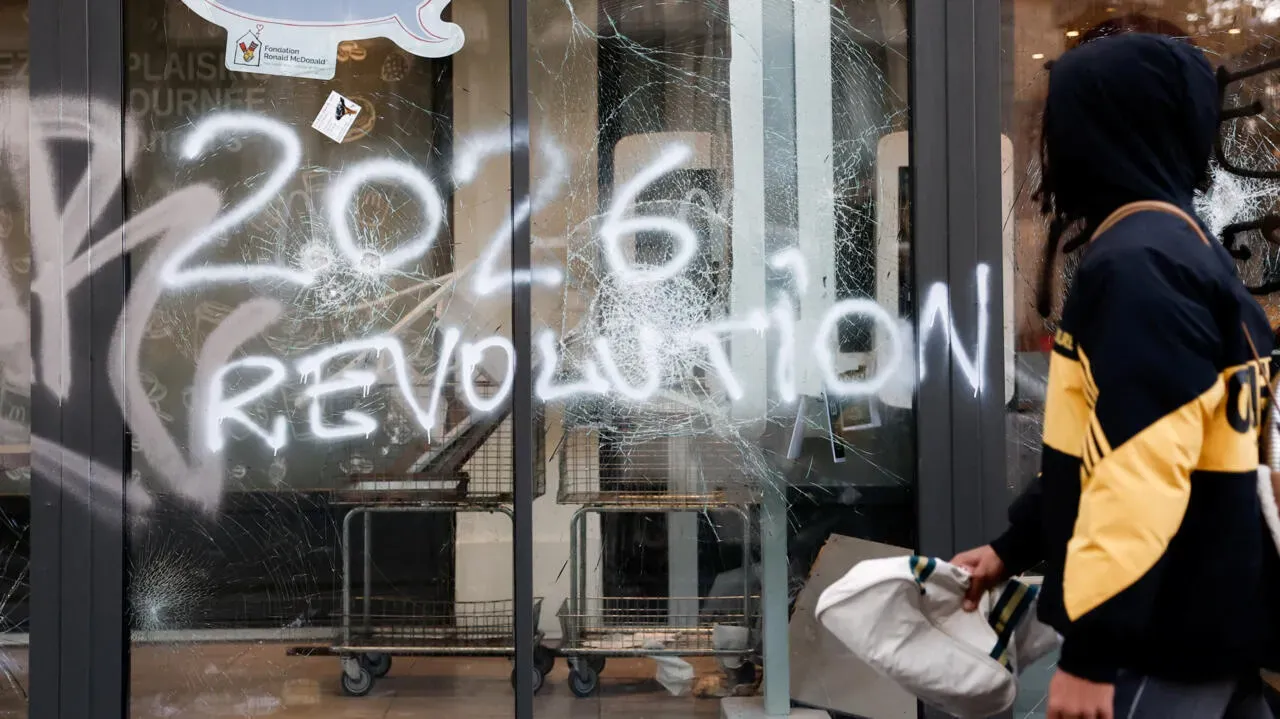
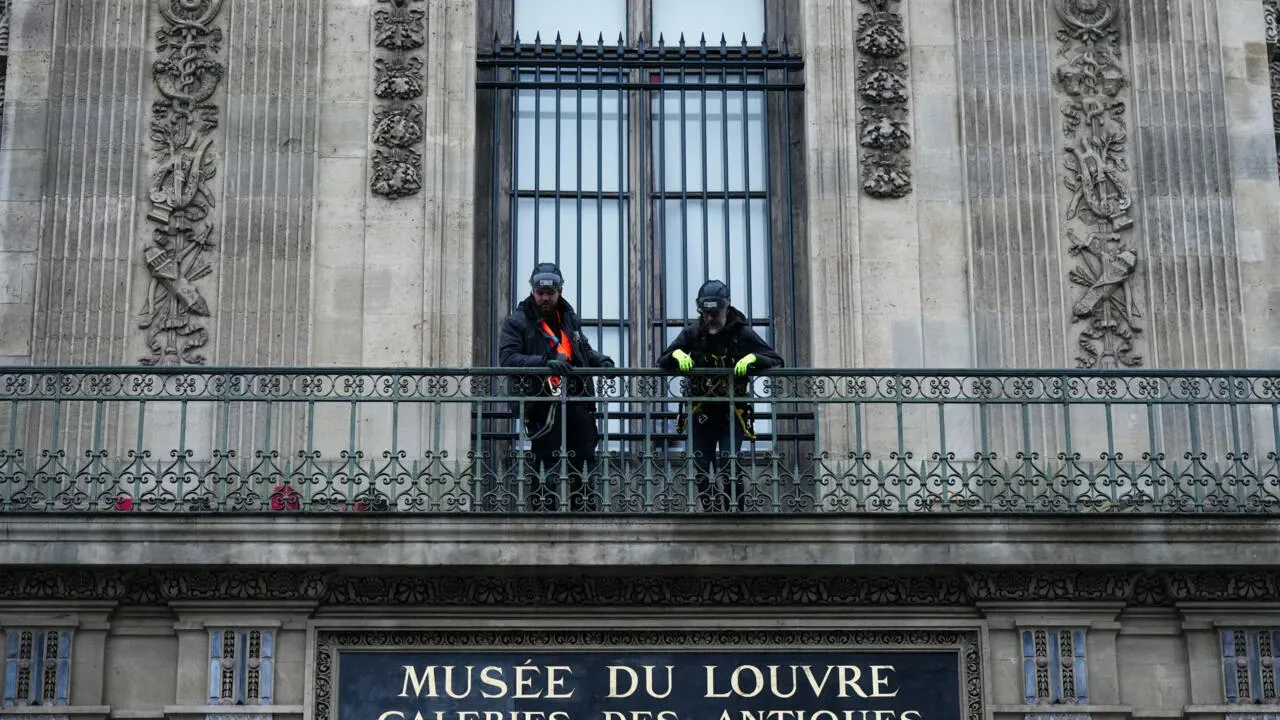
France Imposes Curfews Amid Widespread Rioting
French authorities have imposed curfews and increased police presence in public areas as President Emmanuel Macron's government attempts to regain control following widespread rioting...
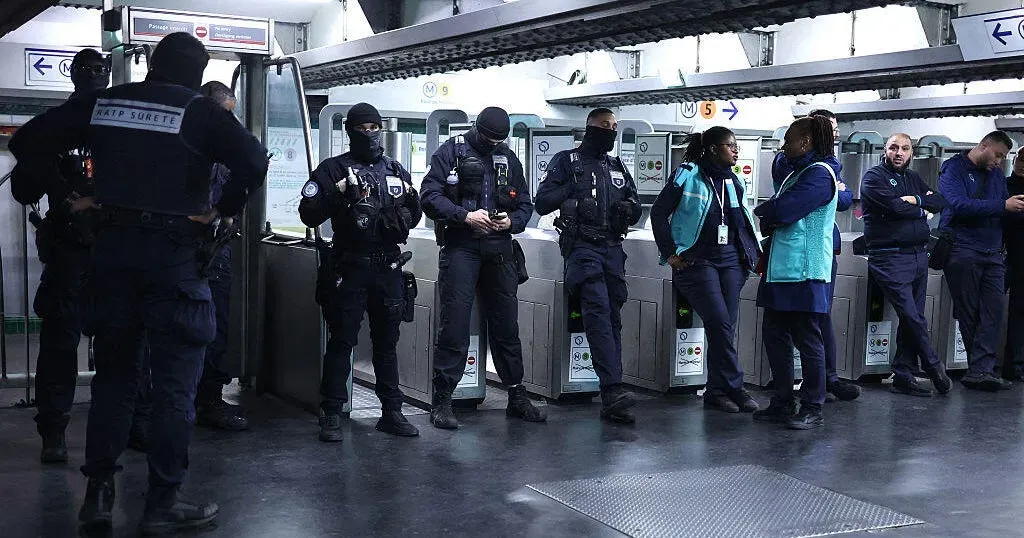
French authorities have imposed curfews and increased police presence in public areas as President Emmanuel Macron's government attempts to regain control following widespread rioting across the country over the weekend.
The unrest has been ongoing for five weeks, prompting students and workers to take to the streets in protest. Addressing the root causes of these demonstrations will be a more challenging task for the government than simply deploying police to quell the violence.
Prime Minister Sébastien Lecornu announced plans for a "massive" police deployment on Tuesday ahead of the next scheduled protests, set for October 24. This move comes after Interior Minister Laurent Nuñez acknowledged that authorities had underestimated the scale of the unrest and lost control in some cities during Saturday's demonstrations.
A significant number of people have been detained as a result of the violence. By Monday evening, more than 2,500 individuals had been taken into police custody, according to Justice Minister Gérald Darmanin. One notable incident was the burning of a historic town hall in Limoges, a city located in central France.
The scale of the unrest has been substantial, with thousands of businesses affected by looting and vandalism. The government's response will be closely watched as it seeks to restore order and address the underlying issues driving the protests.
Curfews have been enforced in various areas across France, including Paris' Place de la République and Les Halles shopping district, as well as Lyon and other cities. The restrictions aim to quell the ongoing unrest that has gripped the country.
In a televised address on Sunday, President Macron drew a distinction between peaceful protesters advocating for improved education facilities and working conditions, and the rioters who have hijacked these demonstrations. He emphasized that the government will engage with protesters' demands while taking action against those responsible for the violence.
The protests began in mid-September as high school students and teachers in Paris' suburbs called for reforms to address overcrowding, dilapidated buildings, and teacher shortages.
The French government's efforts to address the ongoing protests and riots are being hindered by worsening economic pressures and political gridlock. The country is struggling to reduce its debt burden, which currently accounts for 4% of its economic output and is aiming to decrease it to 5% by 2027.
Macron's approval ratings have plummeted in recent months, with a poll conducted just last week showing him at a mere 15%. This lack of public support has made it even more challenging for the government to implement meaningful reforms. The upcoming presidential elections in April will also add to the uncertainty, as Macron is barred from seeking a third term and his allies do not hold a majority in parliament.
Facts based on reporting originally published by CBS News World.
You may republish this story, in full or in part, if you credit News Central Site and link to it (licence CC BY 4.0). Photos are not included.