Plant-based Hair Dye Emerges with Vibrant Black-Purple Color and Harsh Chemical-Free Formula
Researchers have developed a plant-derived hair dye with zinc ions, which creates a rich dark shade without common irritants.
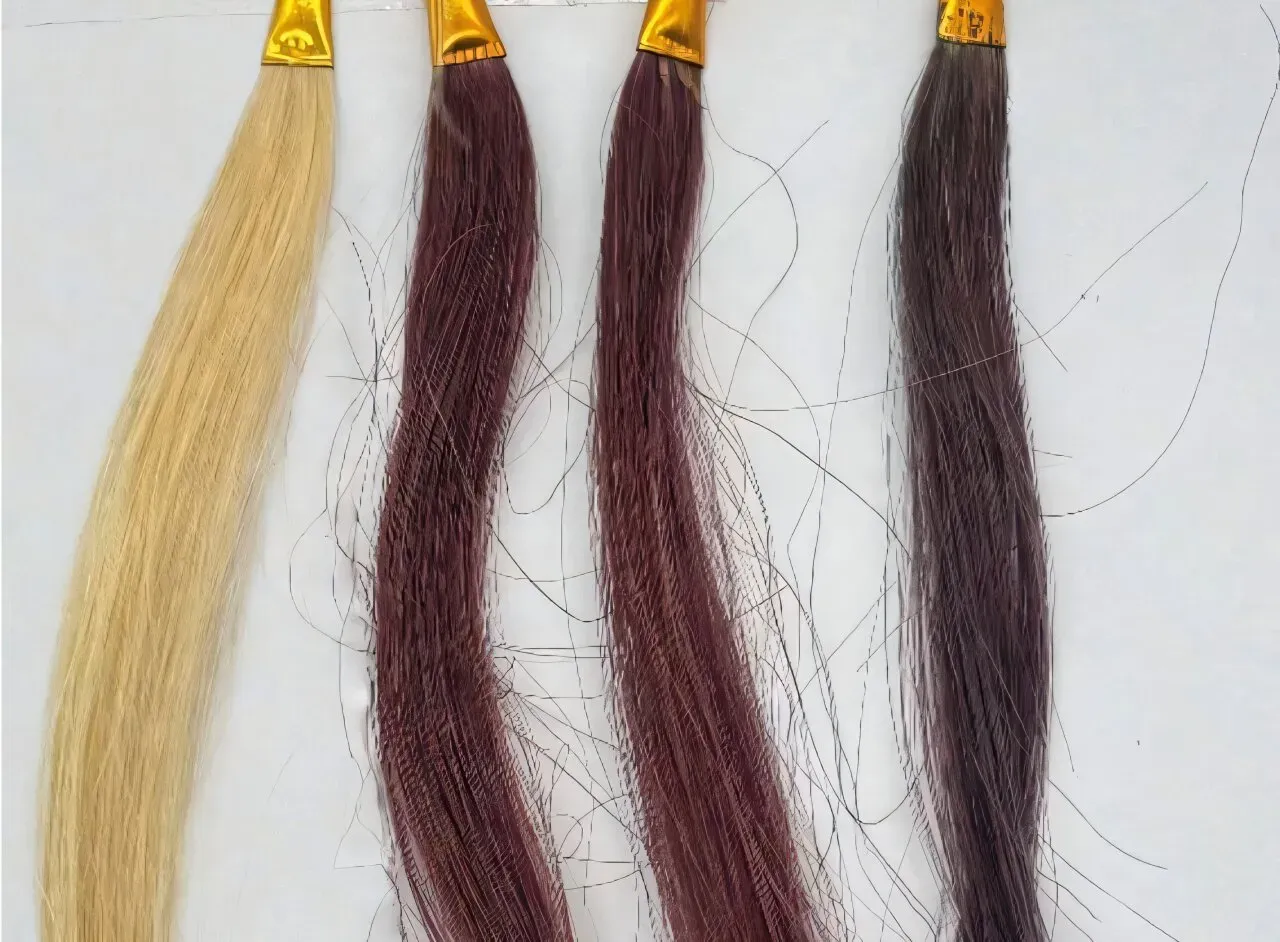
A new plant-based hair dye has emerged that not only provides a vibrant black-purple color but also boasts some impressive benefits for those looking to avoid harsh chemicals in their beauty routine.
Researchers have developed a hair dye made from plant-derived compounds and zinc ions, which creates a rich, dark shade without the need for common irritants found in traditional dyes. In laboratory tests, this innovative formula demonstrated remarkable staying power on human hair samples, outlasting its chemical counterparts and showing resistance to microbial growth.
The new dye's unique combination of natural ingredients sets it apart from conventional hair dyes, which often rely on p-phenylenediamine, ammonia, or hydrogen peroxide to achieve lasting colors. These chemicals can cause skin irritation in some individuals, while ammonia also produces a strong and unpleasant odor.
To explore the potential of plant-based dyes, scientists turned their attention to nanoparticles made from these natural compounds and metals. With their rich coloring properties and ability to bind to proteins, these particles showed great promise, but further testing was needed to assess their suitability for human hair, primarily composed of keratin.
The researchers continued their investigation into plant-based hair dyes by exploring a mixture of alizarin and metal ions that could be used to coat and color human hair. To enhance the properties of this dye, they added cinnamaldehyde, which is known for its antimicrobial properties and distinctive cinnamon scent.
After experimenting with various formulations, the team discovered that a specific combination of zinc ions, alizarin, and cinnamaldehyde produced the darkest hair coloring. This mixture was created by combining two parts cinnamaldehyde with one part zinc ions and alizarin.
When this new dye was applied to bleached human hair samples, it showed remarkable durability. The treated hair retained around 80% of its black-purple color after being washed 30 times with a common detergent, outperforming a commercial dye that retained only 68% of its color under the same conditions.
The researchers also observed significant reductions in microorganisms associated with dandruff on the treated hair samples compared to bleached hair. Furthermore, human testers consistently detected the distinctive cinnamon scent emanating from the dyed samples.
The researchers behind the new plant-based hair dye have taken a significant step towards ensuring its safety for human use by testing it on various living organisms.
In addition to human testers who could detect the distinctive cinnamon scent of the dyed samples, the scientists also conducted lab tests using skin cells, zebrafish and germinating bean sprouts. These experiments were designed to assess the dye's potential impact on human health, aquatic life and plant growth.
The results showed no significant differences in cell survival, zebrafish viability or bean sprout growth compared to untreated samples. This suggests that the new pigment is biocompatible and poses no harm to these organisms when applied at certain concentrations.
As the researchers move towards commercializing their product, they are exploring potential collaborations with industry partners to further develop and refine their innovative hair dye.
Facts based on reporting originally published by Phys.org.
You may republish this story, in full or in part, if you credit News Central Site and link to it (licence CC BY 4.0). Photos are not included.