New Car Market Shifts Towards Subscription-Based Models
Automotive manufacturers are increasingly relying on subscription-based services to generate revenue, forcing customers to pay extra each month for basic features that were once included as standard.
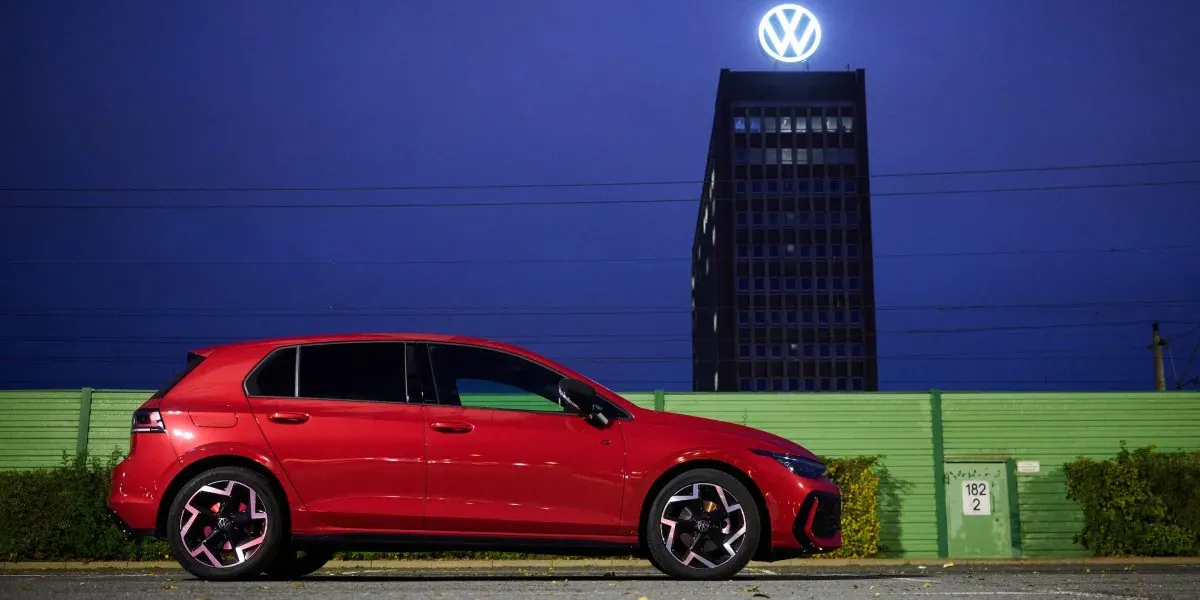
The new car market has undergone a significant shift in recent years, with many manufacturers opting for subscription-based models instead of traditional ownership. For some buyers, this means paying extra each month for features that were once included as standard.
One such buyer is Asher Davis, who was forced to enter the market unexpectedly after nine years without a new car. What he found disturbing was the limited number of vehicles available with no subscriptions attached - it seemed that many models now require additional monthly payments for even basic features.
Davis's frustration stems from the fact that manufacturers are increasingly relying on subscription-based services to generate revenue. This trend is not only affecting new cars, but also existing owners who find themselves facing additional fees for hardware they've already paid for.
Edmunds' director of insights, Ivan Drury, has witnessed this shift firsthand and notes that it's becoming more common for manufacturers to charge subscription fees for features like remote start and location tracking.
The shift towards subscription-based services in the automotive industry has led car manufacturers to explore new revenue streams by charging customers for features that were previously included in the purchase price.
Modern vehicles are equipped with advanced technology and connectivity, making it possible for manufacturers to remotely switch on and off certain features. This allows them to create a pay-per-use model, where customers can opt-in to premium services like remote start or location tracking.
The dealership's role is being redefined as salespeople struggle to explain why some features are available only through subscription. Customers are increasingly frustrated by the fact that they have to pay extra for features that were once included in the price of the vehicle.
BMW's brief experiment with a heated-seat subscription service in select markets proved disastrous, with customers expressing outrage at being charged a monthly fee for a feature already installed in their cars. The backlash was severe enough to prompt BMW to drop the service altogether.
The introduction of new features and services as subscription-based models has become increasingly common in the automotive industry.
Car enthusiasts like Peter Anderson, who has been driving high-end vehicles since his teenage years, are not always receptive to these added costs. When it comes to features that are already included in the vehicle's price, such as heated seats, Anderson believes consumers should not have to pay extra for them.
Anderson's openness to subscription services is more pronounced when they offer genuinely new capabilities or updates that enhance performance and driving dynamics. He sees value in paying for software upgrades that unlock additional features or modes, particularly if they provide a tangible improvement to the vehicle's handling or power output.
Volkswagen has been testing this approach with its "Power on Demand subscription service for the ID.3 electric hatchback in the UK. The service allows owners of Pro and Pro S versions to pay £16.50 per month to access an additional 27 horsepower, which is already built into the car's hardware.
The extra power can be accessed by paying a monthly fee, but it remains unclear whether consumers are willing to pay for features that are already included in their vehicle's price tag.
Some Volkswagen customers have expressed frustration online over the company's decision to offer car subscriptions for extra features such as remote start and increased horsepower.
These concerns come amidst a backdrop of record vehicle costs, with the average monthly payment on a financed new car reaching $787 in the third quarter of 2026, according to data from Edmunds. This represents an increase from $756 just a year earlier.
While a $20 or $30 monthly subscription may seem insignificant compared to these high payments, it can be easy to underestimate their cumulative effect over time.
Economist Sue Helper notes that the monthly sticker price is only one part of the total cost of owning a vehicle. She advises consumers to consider the overall value they receive from additional features before committing to a subscription.
The issue at hand is not just about consumers being mindful of their expenses, but also about manufacturers taking advantage of their limited time and attention when purchasing a vehicle. When making a significant investment like buying a car, people may overlook recurring charges that are added on top.
One area where this is particularly egregious is the practice of charging for features that are already included in the initial purchase price. This can be seen as unfair to consumers who feel they're being nickel-and-dimed for something they've already paid for.
In some regions, policymakers are taking steps to protect consumers from these types of practices. For instance, New York City's click to cancel" rule aims to prevent companies from exploiting consumer behavior and becoming standard business practice.
The impact of subscription-based services isn't just limited to the consumer side; it also affects manufacturers' bottom line. If customers feel they're not getting enough value for their money, they may be less likely to return to a particular brand in the future.
As the market continues to evolve, companies are being forced to consider whether their pricing strategies are adding value or turning off potential customers. The latest data from S&P Global Mobility suggests that consumers' willingness to pay for connected-car services is decreasing.
Automakers believe consumers will continue to pay for premium services despite a decline in willingness to pay for connected-car features.
The strategy relies on presenting clear value to drivers who may be hesitant to pay extra for features like heated seats or performance upgrades, but are more likely to accept these costs if they can see the benefits.
Facts based on reporting originally published by Fortune.
You may republish this story, in full or in part, if you credit News Central Site and link to it (licence CC BY 4.0). Photos are not included.