Navigating Today's Competitive Job Market Requires More Than Just a Solid Resume and Cover Letter
A seasoned nonprofit CEO shares strategies to help her daughters stand out in today's job market.
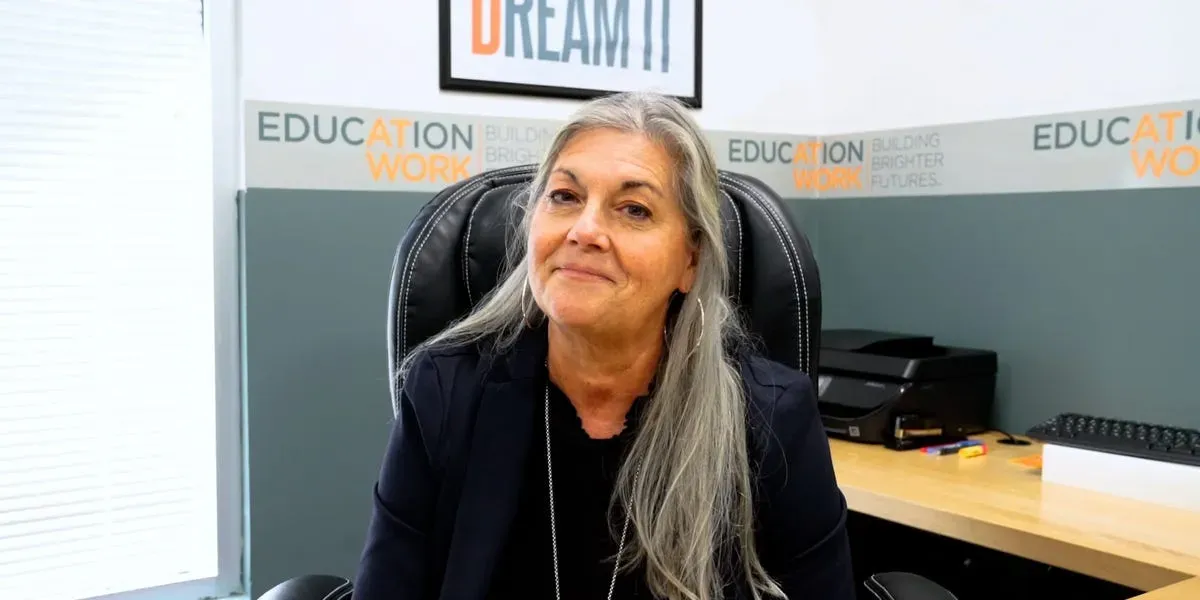
As a seasoned leader and nonprofit CEO, I've learned that navigating today's competitive job market requires more than just a solid resume and cover letter. With the rise of automation and artificial intelligence, employers are facing an overwhelming number of applications from qualified candidates.
To help my daughters stand out in this crowded landscape, I've developed a set of strategies that emphasize personalized communication and tailored approaches. This includes crafting clear, concise application materials that demonstrate a deep understanding of the company's needs and values.
My oldest daughter, Elizabeth, is a prime example of someone who has successfully navigated these challenges. With a master's degree from Emmanuel College and a math background from UMass Amherst, she landed a job handling security for the Red Sox. Her experience showcases the importance of having relevant skills and qualifications that align with the employer's requirements.
In today's job market, it's essential to have a combination of technical expertise and soft skills that can be applied in a variety of contexts. As a nonprofit leader, I've seen firsthand how companies are seeking employees who not only possess specialized knowledge but also the ability to work collaboratively and think creatively.
As a parent, it's not uncommon for me to draw on my own experiences when offering advice to my daughters. Both Lauren and Sarah have unique educational backgrounds - Lauren holds a degree in psychology from Northwestern University, while Sarah has an integrative education degree from Trinity College and a master's in social work from Case Western Reserve University.
Given their diverse skill sets and interests, I encouraged them to explore various career paths. Currently, Elizabeth is employed as a video operations engineer at KISWE, while Sarah works as a business analyst for Education at Work, and Lauren is a consultant with both Echo Group and Edmentum. This exposure has helped me identify key areas where they can apply their skills.
As I've been guiding them since elementary school, I've tried to instill in them the importance of being prepared for any opportunity that may arise. By accompanying me on business trips and observing my work habits at home - such as drafting RFP responses at the kitchen table late at night - they've gained valuable insight into the demands of a professional career.
My advice to them has been to approach every situation with a mindset that views it as a potential opportunity for growth, even if it's not a formal interview. This includes showing up on time and being prepared for unexpected encounters, as these can sometimes lead to new connections or job openings.
When attending online informational sessions, it's essential to make a good impression even in a virtual setting. Elizabeth's professionalism during such a session was noted by the host, who remembered her afterwards.
This experience highlights the importance of being prepared and putting effort into each job application. When a position became available at MLB Replay, Elizabeth was selected from a pool of candidates on that same Zoom call, indicating that her preparation had paid off.
To increase one's chances of getting noticed, it's crucial to personalize each job application using AI tools while still including specific details about relevant experience. This can be achieved by avoiding generic email copy and instead highlighting accomplishments that align with the job requirements.
When applying online, look for opportunities to establish a warm connection, which can often lead to more attention than a cold email. Instead of sending emails to a generic inbox, try reaching out to a named person at the company, such as a recruiter, to establish a personal touch.
When preparing for an interview, it's essential to identify the key areas you want to highlight about yourself and rehearse examples that demonstrate each of these strengths. This concept is often referred to as "win themes, where you showcase your skills and experiences in a way that resonates with potential employers.
Incorporating transferable skills into this process can also be beneficial, allowing you to connect the dots between your past experiences and the role you're applying for. For instance, if you've volunteered at a sports program, you could explain how those skills are relevant to the work you want to do in a professional setting.
Maintaining a journal dedicated to your career and profession can also be an effective way to track your progress and identify areas for improvement. By documenting both successes and setbacks, you can reflect on what went wrong and how you overcame challenges, thereby gaining valuable insights that will help you during the interview process.
When reflecting on mistakes or difficult situations, consider turning them into opportunities to showcase your problem-solving skills. Ask yourself questions such as whether you could have handled a situation differently, whether you should have sought clarification, and what you can do in the future to avoid making similar errors.
Applying for roles that seem beneath your level can be a valuable learning experience, even if it's not the perfect fit. It's essential to consider the job description rather than just the title when looking for opportunities. By doing so, you may discover skills and experiences that align with your goals.
A memorable quote from an event in 1996 has stuck with me over the years: You will learn the most about the job and career you want from the job you hate." This phrase highlights the importance of understanding what you don't want to do as much as discovering what makes you happy. By exploring different roles, you can gain a deeper understanding of your strengths and weaknesses.
Skills are not something that stop developing once you've entered the workforce; they continue to evolve throughout your career. One way to demonstrate growth is by asking for feedback and adjusting your approach based on it. Employers value professionals who incorporate feedback and use it as an opportunity to improve, showcasing their ability to learn from mistakes.
When interviewing or networking, consider sharing examples of how you've incorporated feedback and improved over time. Additionally, ask thoughtful, personalized questions that demonstrate your genuine interest in the people and organization. This approach shows you've done your homework and are eager to learn more about potential future colleagues.
When highlighting one's strengths, it's more effective to share specific anecdotes rather than making general statements. For instance, showcasing volunteer work or past experiences that demonstrate empathy and kindness can make a lasting impression on potential employers. This approach not only showcases skills but also provides tangible evidence of one's character.
To prepare for video interviews, where nervousness might get the better of you, consider using visual reminders to stay focused. Placing sticky notes near the camera or taking a brief pause to grab a glass of water can help calm your nerves and ensure you don't go blank on screen. It's also essential to remember that it's okay not to be perfect, a genuine smile and deep breaths can work wonders in creating a more relaxed atmosphere.
In-person interviews offer opportunities for creative preparation, such as bringing a neatly organized notebook with key points written down. This can help you stay on track without getting too caught up in your notes. However, it's crucial to remember that an interview is a conversation, not a formal presentation, try to build connections and avoid becoming overly reliant on your notes.
Facts based on reporting originally published by Business Insider.
You may republish this story, in full or in part, if you credit News Central Site and link to it (licence CC BY 4.0). Photos are not included.