US Midterm Elections: Climate Change Takes Backseat for Democrats
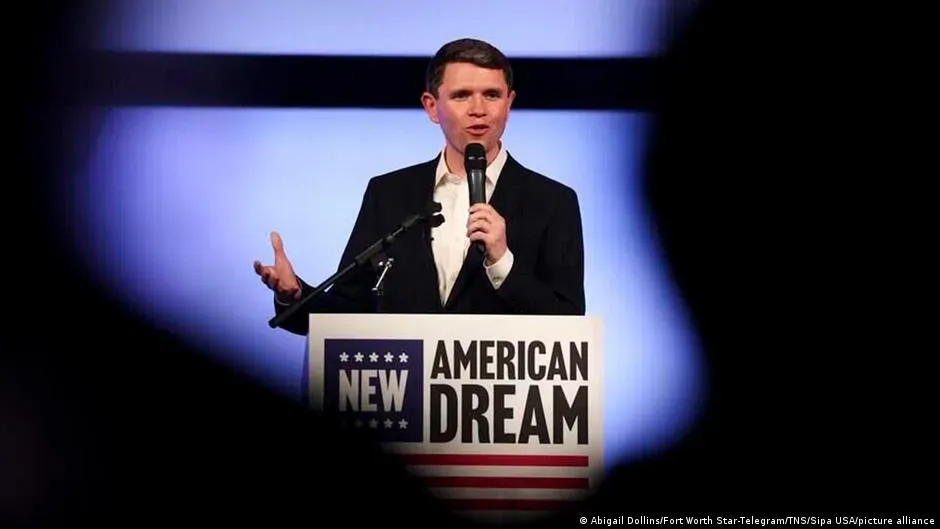
Democratic candidates like James Talarico in Texas are packaging climate policy as an affordability issue.
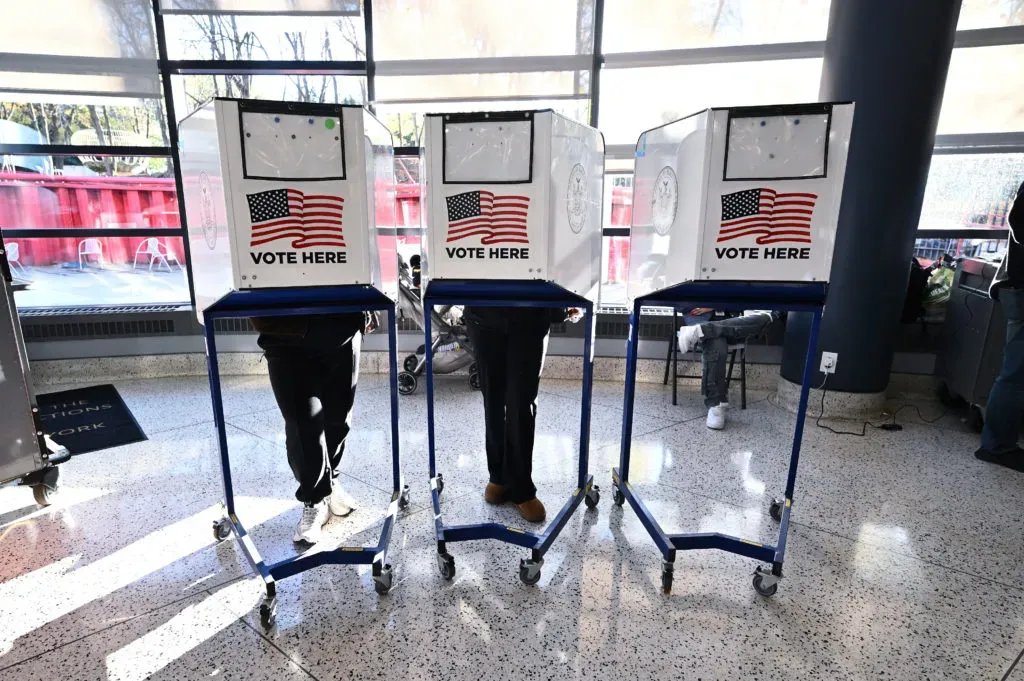
The US midterm elections are just around the corner, but despite rising concerns about global warming, climate change has largely fallen off the campaign trail for Democrats.
Instead of focusing on climate policy, Democratic candidates like James Talarico in Texas are packaging it as an affordability issue, highlighting how Americans struggle to pay for gas, groceries, and insurance against extreme weather events.
Talarico's campaign promises center around reducing energy costs, providing emergency relief for spiking utility bills, making data centers contribute to grid upgrades, and growing jobs in the energy sector.
This approach reflects a broader shift by Democrats, with analysis from Inside Climate News showing a significant decrease in mentions of climate change in their press releases and campaign messaging.
According to Max Frankel, executive director of the SEEC Institute, "We've entered an interesting space where climate policy doesn't need to be called climate policy to be climate policy."
With most forecasts predicting Democrats to win control of the House and a narrow majority in the Senate, passing any legislation will still be challenging without control of the White House.
The Democrats' strategy on climate policy is shifting towards making energy bills more affordable for households.
One way they might achieve this goal is by reviving certain provisions from the Inflation Reduction Act (IRA), which was largely dismantled by President Trump's tax law.
However, analysts do not expect a full-scale revival of the IRA. Instead, Democrats may focus on introducing measures that directly address household energy costs, such as incentives for home energy-efficiency upgrades and the adoption of heat pumps to replace oil and gas heaters.
These types of initiatives could help bring down household energy bills by making clean energy more accessible and affordable.
In addition to these proposals, some lawmakers are also looking to expand an IRA manufacturing tax credit that largely survived President Trump's changes.
The expansion of wind and solar power generation is expected to benefit significantly from increased transmission infrastructure, as these energy sources often require long-distance transportation to reach urban markets where demand is high.
According to David Spence, a political scientist at the University of Texas who studies the politics of energy regulation, wind and solar farms are typically located far away from cities, making it essential to build transmission lines to transport their output efficiently.
However, environmental groups have expressed concerns that the bill could also expedite the approval process for fossil fuel projects, potentially undermining some of the climate gains made through increased renewable energy production.
Some experts believe that if Democrats achieve significant victories in the midterms, they may reassess their support for the current bill and explore alternative options in the next Congress.
As lawmakers continue to debate climate legislation, a growing concern is emerging over the proliferation of data centers, which are being built en masse to power the AI boom and are seen as energy-intensive infrastructure.
As lawmakers consider various options for addressing the impact of data centers on energy consumption, some Democrats are advocating for a pause in new construction projects.
Several proposals have been put forward, including one by Senators Bernie Sanders and Alexandria Ocasio-Cortez to temporarily halt data center development. Another idea involves removing tax breaks for these facilities and introducing new taxes on their electricity usage.
A different approach being considered is the reinstatement of clean energy tax incentives that were part of the Inflation Reduction Act. This move has gained significant support among congressional Democrats, with over 150 lawmakers co-sponsoring a bill to restore these incentives and make data centers pay for grid upgrades they require.
The idea of restoring clean energy tax incentives has become a widely accepted proposal among Democrats, although not everyone supports it. Many lawmakers see this as a crucial step in addressing the country's energy needs while also mitigating climate change.
In addition to these proposals, some Democrats are advocating for a new federal program that would help insurers cover costs associated with climate-related disasters and reduce premiums for policyholders. Another idea gaining traction is the creation of so-called climate superfunds, which would require fossil fuel companies to contribute to the costs of damage caused by extreme weather events and adapt to the risks of climate change.
The US Democratic Party has shifted its focus on climate policy towards making energy bills more affordable for households.
Vermont and New York have already taken steps in this direction by passing legislation to create funds that would help households pay their energy bills. However, a federal judge's ruling blocked the implementation of New York's plan, putting it on hold.
As the 2028 presidential election draws near, Democratic candidates are expected to present new policy ideas and proposals to address climate-related issues in the energy sector, with a focus on making clean energy more accessible and affordable for households.
Facts based on reporting originally published by DW English.
You may republish this story, in full or in part, if you credit News Central Site and link to it (licence CC BY 4.0). Photos are not included.