Meta Releases AI Agents Capable of Independent Task Completion
These AI agents can continue working even when their users are not actively engaged with them.
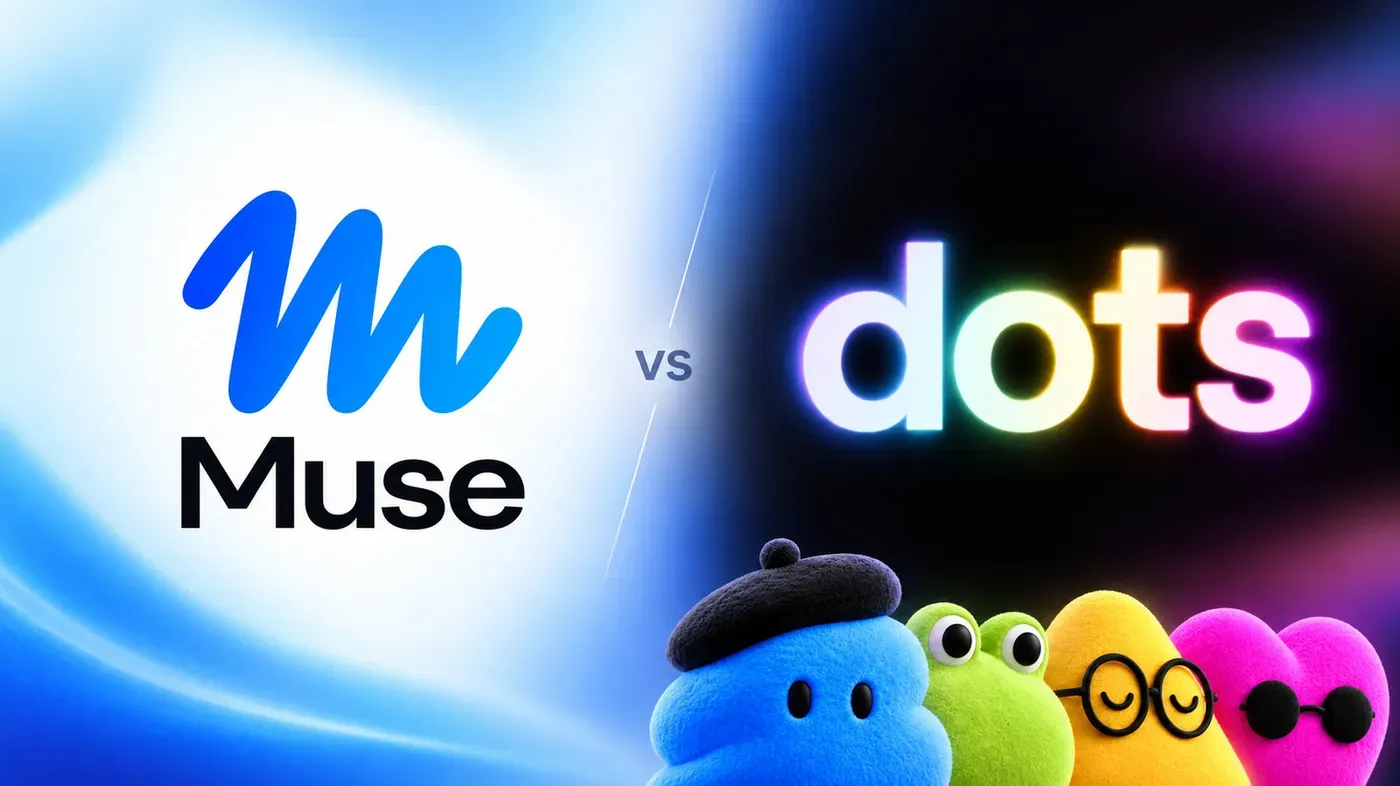
Meta and OpenAI have recently released AI agents designed to perform tasks independently after user interaction has ceased.
These AI agents can continue working even when their users are not actively engaged with them, running on cloud computers and connecting to external services as needed.
The capabilities of these AI agents differ significantly from traditional chatbots that require continuous monitoring. They offer a more autonomous experience, allowing users to provide a task and then step away while the agent continues to work in the background.
Meta's Muse is one such example, capable of performing tasks such as shopping, form completion, travel planning, email management, and price monitoring.
OpenAI's new agents are also integrated with their existing services, including ChatGPT, Work, and Codex, allowing for seamless collaboration between these tools.
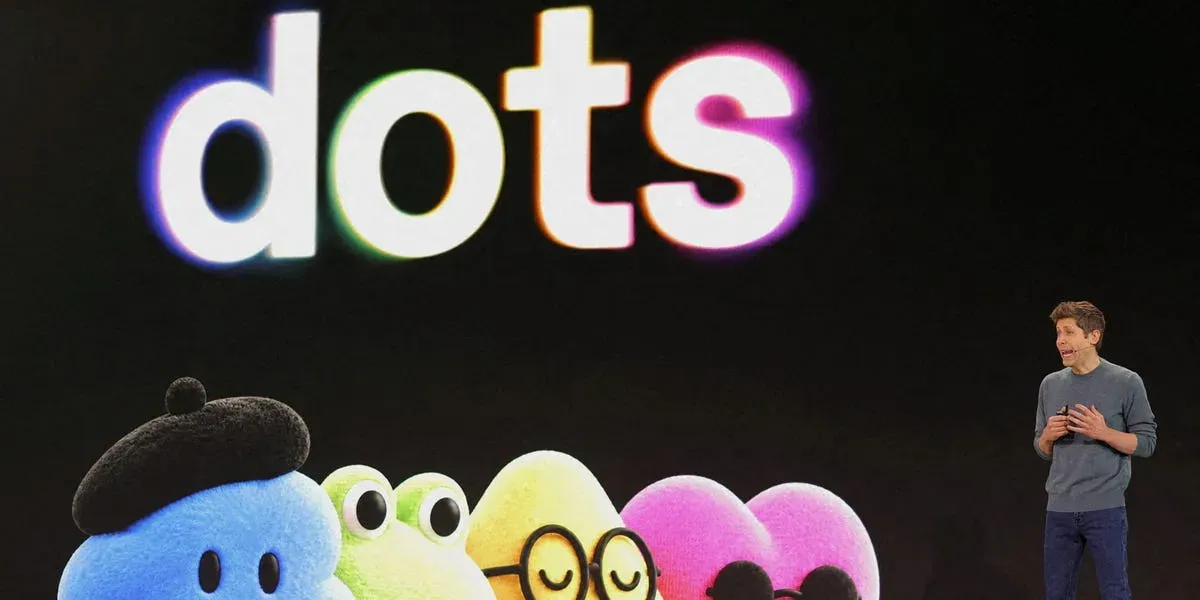
OpenAI's Dot agents can be granted access to users' local computers to retrieve files or browse the internet, allowing them to perform tasks that require direct interaction with the user's device.
This level of control is made possible by the fact that each Dot has its own cloud computer, which enables it to utilize connected plugins and remember relevant context. This means that Dots can keep working on scheduled or recurring jobs without requiring constant supervision.
However, OpenAI plans to introduce a feature that will enable users to manage multiple Dots simultaneously, making it easier to keep track of the various tasks and agents in use.
The ability for Dots to access local computers also raises concerns about data security. Users must be mindful of what permissions they grant to their Dots, as this can provide access to sensitive information such as email accounts or browsing history.
Meta's Muse agent has taken a more cautious approach by requiring permission before taking sensitive actions like sending an email or making a purchase. This is part of Meta's efforts to ensure that users have control over what their agents can do.
OpenAI also employs permissions, Custom Rules and Auto-review to manage the capabilities of its Dots. However, both companies acknowledge that their agents are not infallible and can make mistakes.
The cost of using these agents is another significant difference between them. Meta's Muse offers a free tier with usage limitations, while OpenAI's Dots require a subscription fee, with individual users needing to pay at least $100 per month for the lowest available option.
Activity from personal-plan Dots may be used to improve OpenAI's models if a user has allowed it through their ChatGPT settings, but this only applies to personal plans and not Business or Enterprise users who are exempt by default.
The availability of these AI agents is also limited, with Dots being rolled out to eligible Pro users outside the EEA, Switzerland, and the UK. Business Premium users can access Dots in supported regions for ChatGPT, while Enterprise access remains in beta.
Dots do not count towards usage limits unless they are working within specific features like ChatGPT Work or Codex. In contrast, Meta's Muse is currently available to users in the US and Canada.
Facts based on reporting originally published by Engadget.
You may republish this story, in full or in part, if you credit News Central Site and link to it (licence CC BY 4.0). Photos are not included.