Laptop Battery Life Sees Significant Improvements Over Past Decade
A recent batch of laptops has shown significant improvements in battery life, with some devices lasting up to 34 hours or more on a single charge.
The latest batch of laptops has shown significant improvements in battery life, a trend that's been building over the past few years. Gone are the days when a laptop would barely last a day on a single charge; now it's common to see devices that can run for 20 hours or more without needing a refill.
One laptop stood out from the rest in our testing this year, lasting an impressive 34 hours or more before requiring a recharge. This is a stark contrast to laptops just a decade ago, whose battery life was barely half of what's possible today.
The reason behind this surge in battery life is multifaceted, and it's not just about using more efficient components. In our recent video series, Holiday Office Hours From the Labs, we explored the factors contributing to this trend, as well as highlighting some of the laptops that performed exceptionally well in our tests.
Budget-friendly options are often overlooked when it comes to battery life expectations, but surprisingly, cheaper laptops can sometimes outlast their more expensive counterparts. This is due in part to lower power consumption from less demanding components and lower screen resolutions, which contribute to a longer battery life.
In the coming sections of this article, we'll take a closer look at some of the top performers in our testing and explore what makes them stand out. We'll also hear from experts who have been following the trend in laptop battery life and see how it's impacting the industry as a whole.
The shift towards mobile processors has significantly improved laptop battery life. One major contributor to this advancement is the use of power-efficient chip architectures, such as Arm-based designs found in phones and tablets. Apple's M-series chips, for instance, are built on the Arm architecture, which has led to impressive battery performance in their laptops.
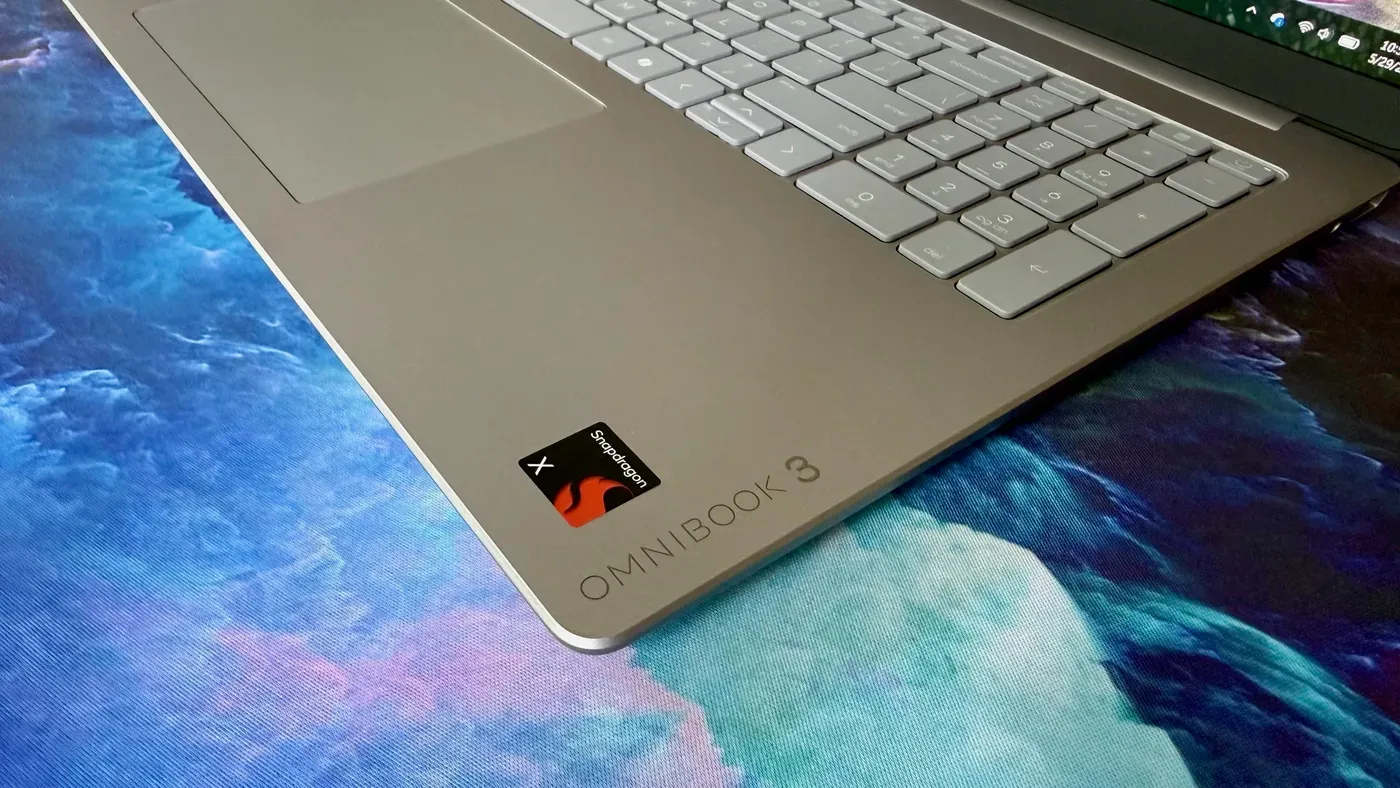
Apple's move away from Intel processors has yielded notable results in terms of longer battery life. The company's decision to adopt its own M-series chips marked a significant turning point, and these processors have since become a hallmark of Apple's laptop lineup. Meanwhile, Qualcomm's Snapdragon X-series processors, also based on Arm architecture, have been used in the HP OmniBook 3 16 and OmniBook 5 14.
Qualcomm's processors have enabled some remarkable battery life feats, including the record-setting performance of the HP OmniBook 3 16. This laptop earned a CNET Lab Award for its impressive endurance, outlasting many other models on our testing grid. The OmniBook 3 16's battery longevity has set a high standard for Intel and other manufacturers to follow.
Intel has made notable strides in processor efficiency with recent developments such as the Core Ultra 200 series (Lunar Lake) and the Core Ultra 300 series (Panther Lake). These advancements have paid off, particularly in the case of the Lenovo Yoga 9i 2-in-1 Aura Edition. This laptop achieved an impressive 25 hours, 45 minutes of battery life, making it the longest-running Intel laptop we've tested.
The MSI Prestige 14 Flip AI Plus with Intel's next-gen Core Ultra X7 358H processor has pushed the boundaries even further, coming close to the Lenovo Yoga 9i's record with a time of 25 hours, 18 minutes. This development underscores the ongoing competition between manufacturers in pursuit of longer battery life and improved overall performance.
The miniaturization of processors is a key factor behind improved efficiency and longer battery life in laptops. As processor size shrinks with each new generation, less power is required to operate its components, particularly the transistors that switch on and off.
This shift towards more compact design has also led to the development of mobile processors with hybrid architectures. These processors combine high-performance cores with efficiency-focused ones, allowing them to adapt to different tasks and conserve energy when possible. As a result, laptops can run for longer periods without overheating or making excessive noise.
The overall impact of these advancements is evident in the improved battery life observed in this year's laptop models.
Facts based on reporting originally published by CNET.
You may republish this story, in full or in part, if you credit News Central Site and link to it (licence CC BY 4.0). Photos are not included.