Alzheimer's Disease Study Points to Cholesterol as Potential Culprit
A new study has suggested that cholesterol may be responsible for blocking critical pathways within the brain, thereby reducing fluid circulation and contributing to the development of Alzheimer's disease.
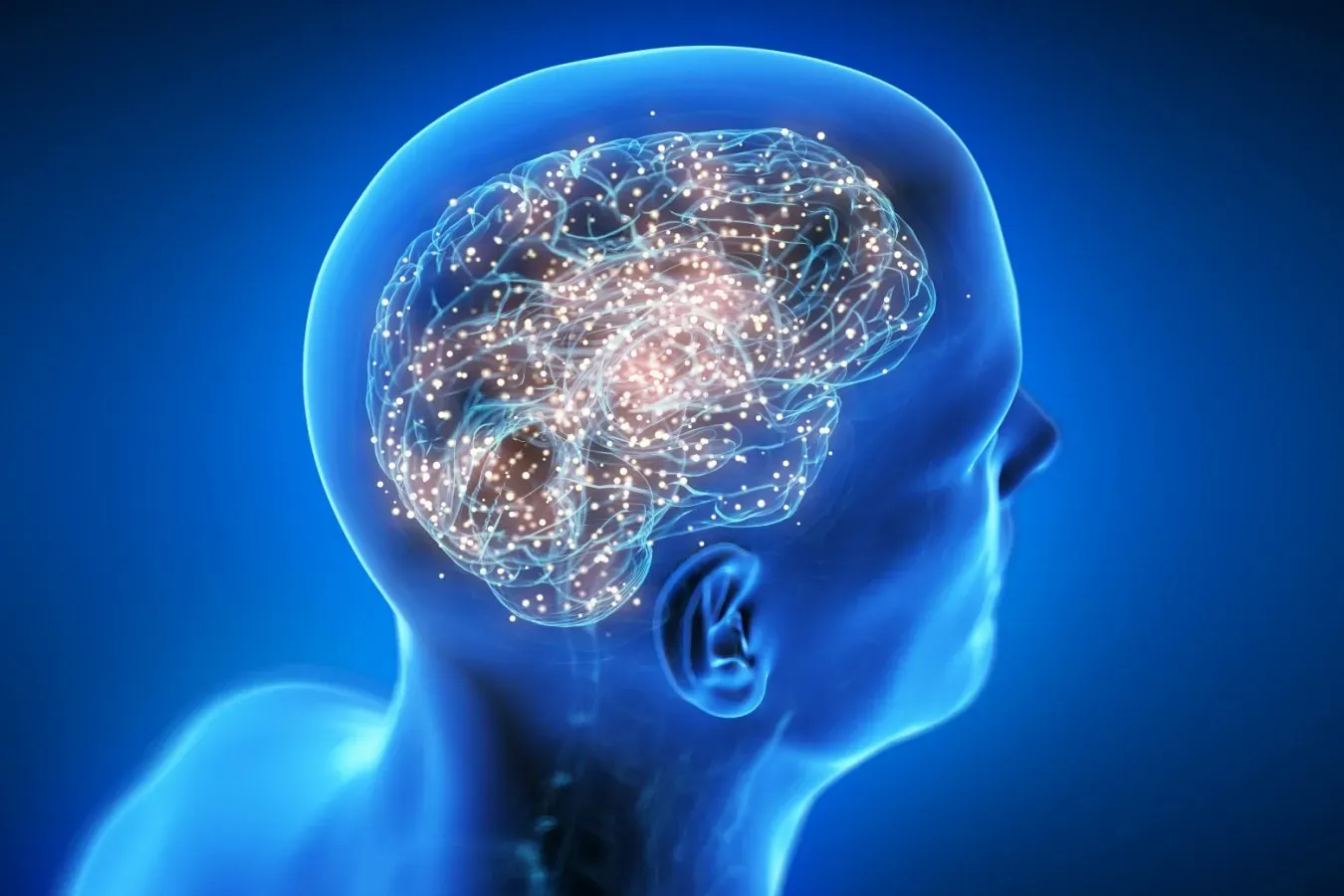
A groundbreaking study has shed new light on the underlying causes of Alzheimer's disease, pointing to cholesterol as a potential culprit in disrupting the brain's waste-clearance system.
Researchers have long been aware that the glymphatic network plays a crucial role in maintaining brain health by removing waste chemicals and toxins. However, studies have shown that this flow is severely impaired in individuals with Alzheimer's disease, allowing harmful proteins to accumulate in the brain.
A new investigation has suggested that cholesterol may be responsible for blocking critical pathways within the brain, thereby reducing fluid circulation and contributing to the development of Alzheimer's. While the findings are intriguing, experts caution that much more research is needed to confirm this hypothesis.
Alzheimer's disease affects millions worldwide, with approximately 50 million people suffering from the condition. The hallmark symptoms include the accumulation of beta-amyloid plaques and tau tangles in the brain, which are thought to be partly caused by an inability to clear waste chemicals efficiently through the glymphatic system.
Research has been exploring ways to restore disrupted glymphatic flow in Alzheimer's disease by using various treatments.
Studies have shown that reducing glymphatic flow is a hallmark of the condition, leading scientists to investigate potential solutions.
One approach involves exposing mice to high doses of carbon dioxide through inhalation.
Preliminary evidence suggests this may help boost glymphatic function and potentially alleviate symptoms.
Mouse models of Alzheimer's disease exhibit reduced glymphatic flow, which could be mitigated by various treatments including light and sound exposure or drugs.
A team led by Do-Geun Kim at the Korea Brain Research Institute in Daegu, South Korea, has been investigating how different interventions affect glymphatic function.
Their study involved two groups of mice: some with genetic mutations associated with Alzheimer's disease, while others were healthy.
The researchers injected a dye into the cisterna magna, a chamber in the brain that contains cerebrospinal fluid.
The team observed significant differences in how the dye spread through the brain tissue of genetically modified and healthy mice.
In healthy mice, the dye was quickly cleared from the brain by 120 minutes after injection.
The researchers observed a significant reduction in perivascular spaces in mice modelling Alzheimer's disease compared to healthy ones. These narrow channels are crucial for facilitating the flow of liquid through the brain, allowing for efficient clearance of waste products.
The presence of amyloid plaques in the diseased mice brains also had a profound impact on glymphatic function. The researchers found that dye injected into these mice mostly accumulated within their amyloid plaques, suggesting that the plaques acted as a sponge-like structure, soaking up fluid that would normally circulate through the brain.
The team's investigation into the role of cholesterol in glymphatic dysfunction led them to consider its potential impact on apolipoprotein E. This protein is known to play a critical role in producing cholesterol in the brain and has been linked to an increased risk of Alzheimer's disease when mutated.
Further analysis involved staining mice brains with a fluorescent marker that binds specifically to cholesterol, providing insight into the dynamic movement of this molecule within the brain.
The modified mice showed a significant increase in cholesterol signal up to 120 minutes after staining, suggesting that this molecule may play a role in disrupting the brain's cleaning system in Alzheimer's disease.
In healthy brains, cholesterol performs various functions, including regulating communication between neurons through signalling pathways. It is also possible that cholesterol facilitates the transport of chemicals from perivascular spaces into neurons, according to Kim.
The discovery of the glymphatic system has revealed its role as a highway for rapid fluid inflow in the brain, but the study's findings do not provide clear insight into how cholesterol affects this process or why it behaves differently in Alzheimer's disease.
Facts based on reporting originally published by New Scientist.
You may republish this story, in full or in part, if you credit News Central Site and link to it (licence CC BY 4.0). Photos are not included.